
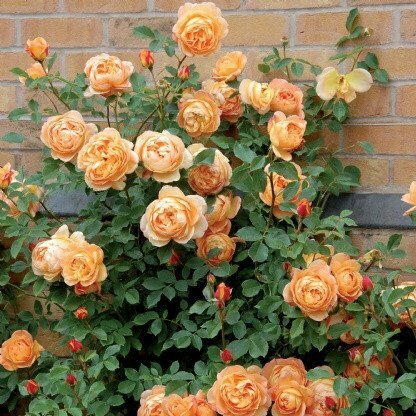
Rosa ‘Lady of Shalott’ – David Austin Rose
€30.00
Frequently Bought Together


Description
Quick Facts
- Common Name: Lady of Shalott English Rose
- Botanical Name: Rosa ‘Lady of Shalott’ (Ausnyson, David Austin)
- Plant Type: Deciduous, repeat-flowering shrub rose
- Mature Height: 1.2–1.5m
- Mature Spread: 1–1.2m
- Flowering Period: June to October (repeat-flowering)
- Flower Colour: Rich apricot-orange, with salmon-pink outer petals (large, fully double, chalice-shaped blooms)
- Foliage: Healthy, mid-green, glossy leaves
- Fragrance: Medium, warm tea scent with notes of spiced apple and clove
- Hardiness: RHS H6 (hardy throughout UK & Ireland)
- Soil Requirements: Moist, well-drained, fertile soil; prefers neutral to slightly acidic
- Aspect: Full sun (best flowering); tolerates light shade
- Maintenance: Moderate (annual pruning, deadheading, feeding)
Description
Rosa ‘Lady of Shalott’ is a radiant and reliable English shrub rose from David Austin, loved for its sumptuous apricot-orange blooms and healthy, vigorous growth. The large, fully double flowers are chalice-shaped, with rich orange petals inside and softer salmon-pink tones on the outer petals—creating a beautiful sunset effect in the border. Blooms are produced in generous clusters and appear in flushes from early summer until the first frosts.
The shrub is bushy and upright, clothed in healthy, glossy foliage with excellent disease resistance. The fragrance is warm and inviting, with a medium tea scent layered with hints of spiced apple and clove. ‘Lady of Shalott’ is exceptionally reliable, thriving in a wide range of conditions and offering months of colour and scent.
Ideal for mixed borders, rose gardens, or as a specimen shrub, ‘Lady of Shalott’ combines beautifully with perennials, lavender, catmint, and hardy geraniums. Its glowing blooms are also excellent for cutting and bringing indoors.
Caragh Garden Notebook
Planting:
Space plants 1–1.2m apart for a full, bushy effect. Plant container-grown roses in spring (March–May) or autumn (September–October). Choose a sunny, open position for best flowering—at least 4–6 hours of direct sun daily. Dig a generous hole, enrich the soil with well-rotted manure or compost, and plant at the same depth as in the pot. Firm in gently, water thoroughly, and mulch.
Space plants 1–1.2m apart for a full, bushy effect. Plant container-grown roses in spring (March–May) or autumn (September–October). Choose a sunny, open position for best flowering—at least 4–6 hours of direct sun daily. Dig a generous hole, enrich the soil with well-rotted manure or compost, and plant at the same depth as in the pot. Firm in gently, water thoroughly, and mulch.
Soil Preparation:
Prefers moist, well-drained, fertile soil. Improve heavy clay with compost and grit to aid drainage; improve sandy soils with compost to retain moisture. Mulch annually with well-rotted manure or garden compost to feed the soil and suppress weeds.
Prefers moist, well-drained, fertile soil. Improve heavy clay with compost and grit to aid drainage; improve sandy soils with compost to retain moisture. Mulch annually with well-rotted manure or garden compost to feed the soil and suppress weeds.
Seasonal Care:
Prune in late winter or early spring—remove dead, damaged, or weak growth and shape the shrub as desired. Deadhead spent blooms regularly to encourage repeat flowering. Feed in early spring and again after the first flush of flowers with a balanced rose fertiliser.
Prune in late winter or early spring—remove dead, damaged, or weak growth and shape the shrub as desired. Deadhead spent blooms regularly to encourage repeat flowering. Feed in early spring and again after the first flush of flowers with a balanced rose fertiliser.
Pests & Problems:
Generally disease resistant, but watch for aphids, black spot, and powdery mildew. Good spacing, regular feeding, and prompt removal of diseased leaves help prevent problems.
Generally disease resistant, but watch for aphids, black spot, and powdery mildew. Good spacing, regular feeding, and prompt removal of diseased leaves help prevent problems.
Design Notes:
Perfect for mixed borders, rose gardens, or as a specimen shrub. The glowing apricot-orange blooms add warmth and drama to any planting scheme and are excellent for cutting and enjoying indoors.
Perfect for mixed borders, rose gardens, or as a specimen shrub. The glowing apricot-orange blooms add warmth and drama to any planting scheme and are excellent for cutting and enjoying indoors.
Related products
-

Delphinium Black Knight
€8.50 Select options This product has multiple variants. The options may be chosen on the product page -

Rosa Special Anniversary Hybrid Tea
€25.00 Select options This product has multiple variants. The options may be chosen on the product page -
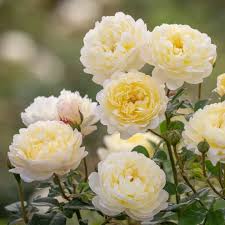
David Austin Rose ‘Imogen’ (English Shrub Rose)
€30.00 Select options This product has multiple variants. The options may be chosen on the product page -
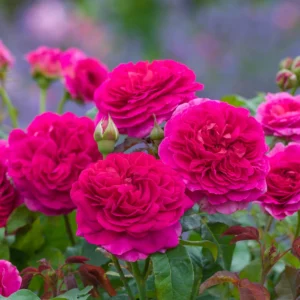
David Austin Rose ‘Gabriel Oak’ (English Shrub Rose)
€30.00 Select options This product has multiple variants. The options may be chosen on the product page