

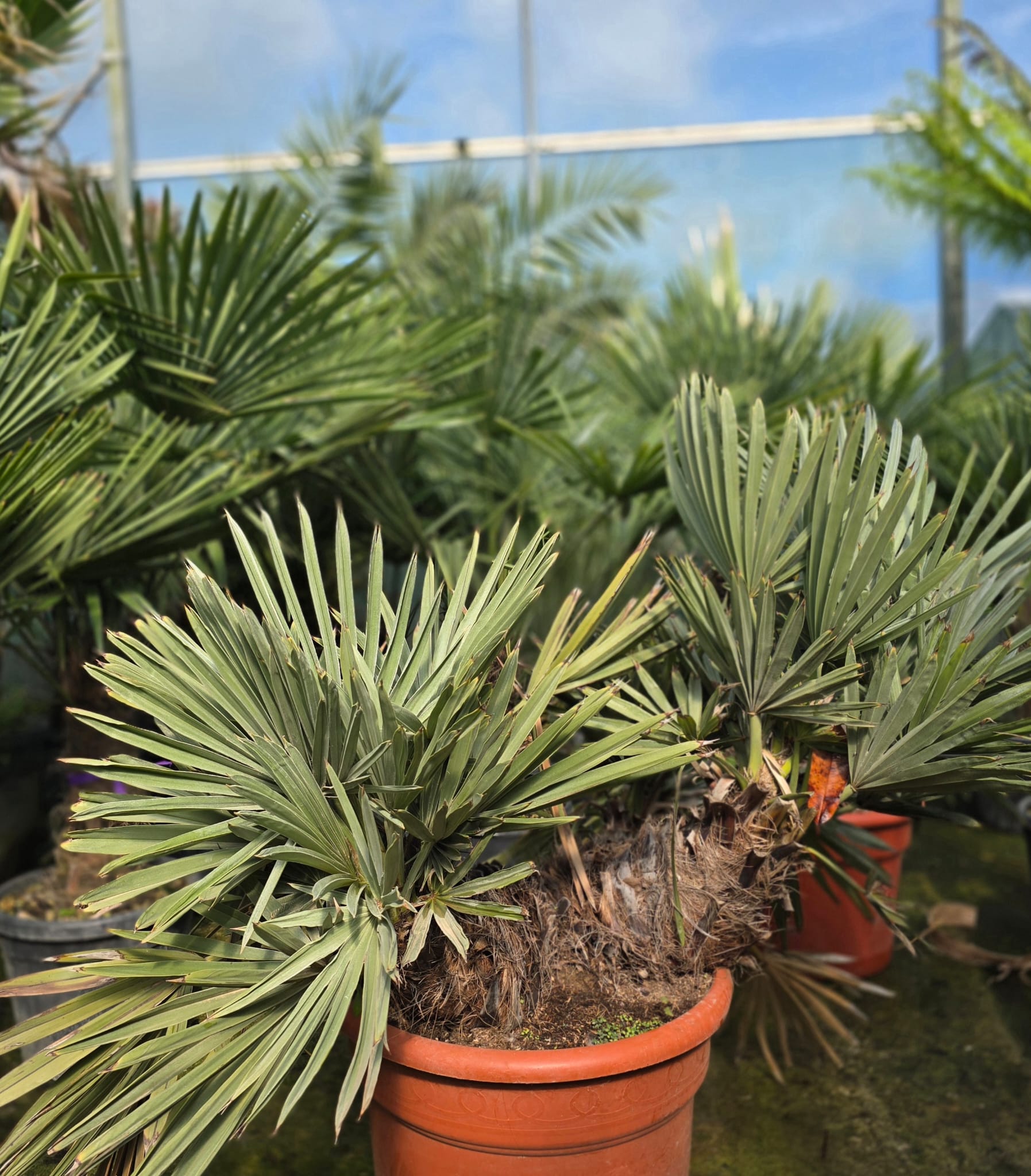
Trithrinax campestris – Blue Needle Palm
€400.00
Frequently Bought Together

Description
Quick Facts
- Botanical Name: Trithrinax campestris
- Common Name: Blue Needle Palm
- Plant Type: Evergreen palm
- Habit: Slow-growing, clump-forming palm with stiff, fan-shaped fronds
- Height (approx.): 1.5–4m over time (slow)
- Spread (approx.): 1.5–3m
- Foliage: Fan palms with a striking blue-grey cast; bold, architectural texture
- Stems: Naturally protected with fibrous material; very spiny (handle/position with care)
- Position: Full sun (best colour) in a sheltered spot
- Soil: Very free-draining; drought-tolerant once established
- Hardiness: One of the tougher, cold-tolerant palms, but still needs excellent drainage and shelter from winter wet
- Best For: Statement planting, gravel gardens, Mediterranean/exotic schemes, large pots, modern courtyards
Description
If you want a palm that looks genuinely wild — sculptural, rugged, and a little bit prehistoric — Trithrinax campestris is unforgettable.
Its stiff, fan-shaped fronds have a beautiful blue-grey tone, giving it a cooler, more architectural look than many palms. Slow-growing and full of character, it brings instant structure to gravel gardens and exotic planting schemes, and it looks especially striking against stone, pale paving, or corten steel.
This is not a “soft and fluffy” palm — it’s bold, tough, and built for drama.
Caragh Garden Notebook
Where to plant it
Full sun brings out the best colour and strongest growth. In Ireland and the UK, choose a sheltered, warm spot if possible — a courtyard or near a wall is ideal.
Full sun brings out the best colour and strongest growth. In Ireland and the UK, choose a sheltered, warm spot if possible — a courtyard or near a wall is ideal.
Soil & drainage (the key to success)
This palm is far more tolerant of cold than many, but it still dislikes winter wet.
This palm is far more tolerant of cold than many, but it still dislikes winter wet.
- Plant into very free-draining soil.
- On heavy ground, improve with grit and consider planting on a slight mound or in a raised bed.
- In pots, use a gritty compost mix and ensure excellent drainage.
Watering
- Water regularly while establishing.
- Once settled, it’s drought-tolerant and prefers a drier rhythm.
- In winter, keep it on the dry side.
Feeding
A light feed in spring and early summer supports healthy fronds. Avoid heavy feeding late in the season.
A light feed in spring and early summer supports healthy fronds. Avoid heavy feeding late in the season.
Handling & placement (important)
Trithrinax campestris is spiny. Position it where it won’t brush against walkways, doorways, or play areas, and use gloves when moving or planting.
Trithrinax campestris is spiny. Position it where it won’t brush against walkways, doorways, or play areas, and use gloves when moving or planting.
Winter care
Good drainage is your best protection. In severe cold snaps, young plants may benefit from temporary protection, especially if grown in a pot.
Good drainage is your best protection. In severe cold snaps, young plants may benefit from temporary protection, especially if grown in a pot.
Design notes
- Brilliant with olive trees, yucca, nolina, agapanthus, lavenders, and gravel planting
- Looks incredible with uplighting at night — the fan shapes cast beautiful shadows
- A real collector’s plant for anyone who loves architectural, statement greenery
Related products
-
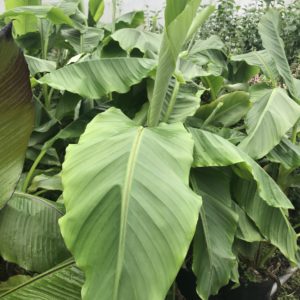
Musa (Musella) lasiocarpa / Chinese Dwarf Banana Plant
€35.00 Select options This product has multiple variants. The options may be chosen on the product page -
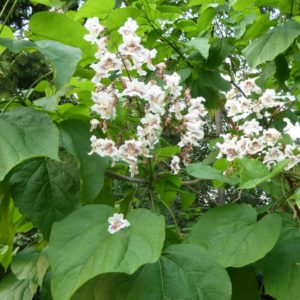
Catalpa biganoides / Indian Bean Tree
€440.00 Select options This product has multiple variants. The options may be chosen on the product page -
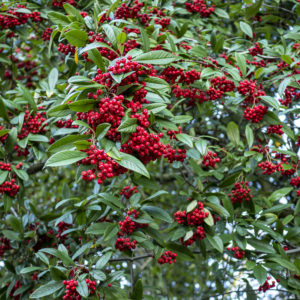
Cotoneaster ‘Cornubia’
Price range: €220.00 through €320.00 Select options This product has multiple variants. The options may be chosen on the product page -
Acer Crimson King / Red Norway Maple
Price range: €350.00 through €950.00 Select options This product has multiple variants. The options may be chosen on the product page