

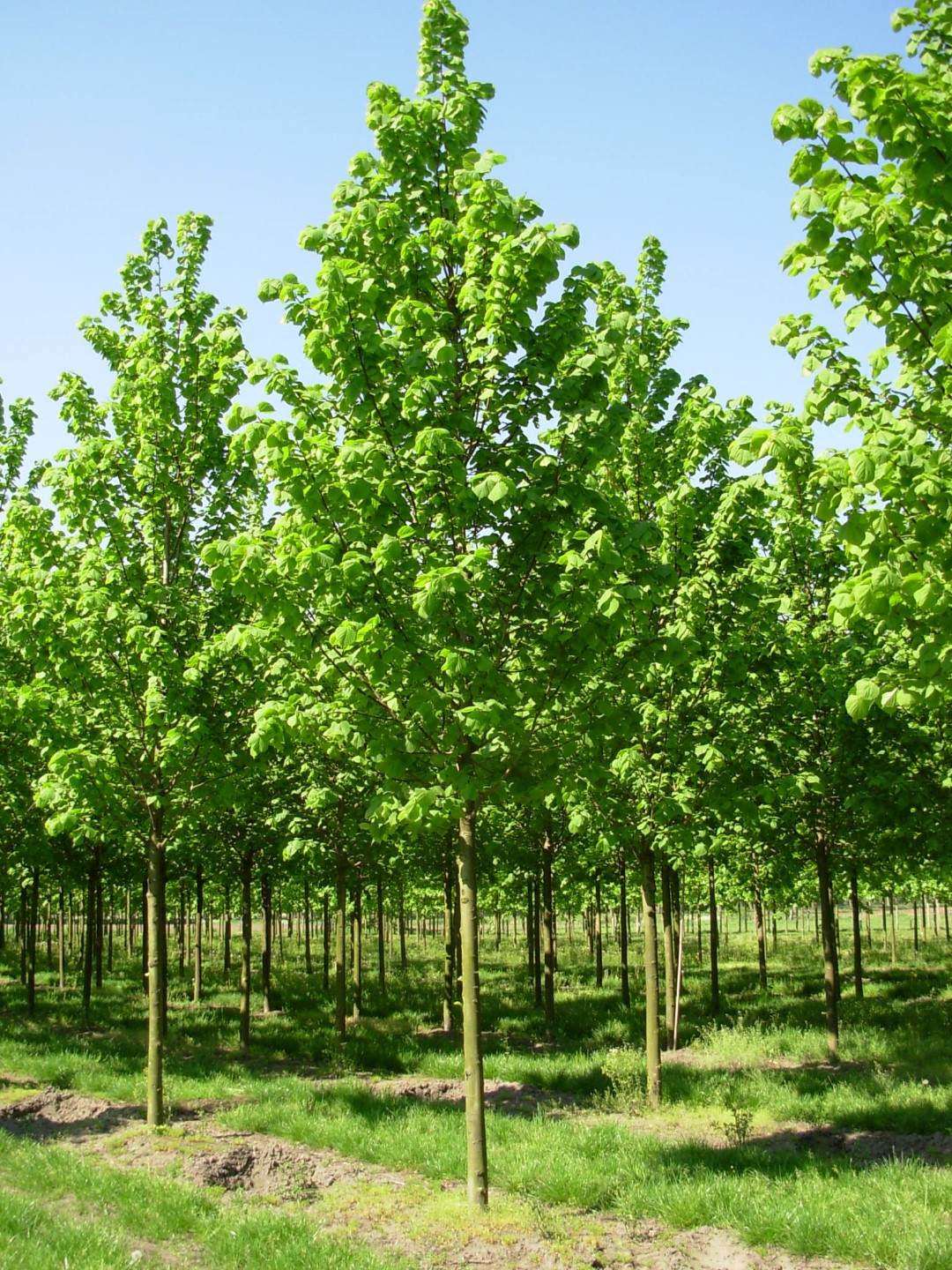
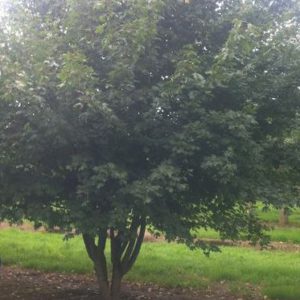
Tilia platyphyllos / Large leaved Lime
Price range: €320.00 through €480.00
Frequently Bought Together
Description
Quick Facts
- Common Name: Large-Leaved Lime, Large-Leaved Linden, Broad-Leaved Lime
- Botanical Name: Tilia platyphyllos
- Plant Type: Deciduous tree
- Mature Height: 20-35m
- Mature Spread: 12-18m
- Flowering Period: June to July
- Flower Colour: Pale yellow-green, highly fragrant
- Foliage: Large heart-shaped leaves, dark green turning golden-yellow in autumn
- Hardiness: RHS H7 (very hardy)
- Soil Requirements: Moist, well-drained, fertile
- Aspect: Full sun to partial shade
- Maintenance: Low to moderate
Description
Experience the magnificent beauty of Tilia platyphyllos, the spectacular Large-Leaved Lime that brings exceptional fragrance, commanding presence, and timeless elegance to large gardens with its distinctive large heart-shaped leaves and intoxicating summer blooms. This outstanding deciduous tree offers remarkable qualities—large heart-shaped leaves measuring 8-15cm long creating bold texture and substantial canopy that provides excellent shade, masses of highly fragrant pale yellow-green flowers in pendulous clusters in early summer that fill the air with honey-sweet perfume and attract countless bees creating a gentle humming soundtrack, beautiful golden-yellow autumn colour that illuminates the garden before leaf fall, and majestic broad domed crown with elegant branching structure making this one of the finest large specimen trees for parklands and estates, making this one of the most beloved and fragrant large trees for creating seasonal drama, wildlife value, and commanding architectural presence in gardens.
Throughout spring and summer, this captivating tree displays its characteristic large heart-shaped leaves measuring 8-15cm long (sometimes up to 18cm) with finely serrated edges and a distinctive pointed tip in dark green with a slightly hairy texture, especially on the undersides. The leaves are notably larger than those of Common Lime (T. × europaea) or Small-Leaved Lime (T. cordata), giving this species its name ‘platyphyllos’ meaning ‘broad-leaved’. The leaves are held on smooth grey-green branches creating substantial canopy and excellent shade. The overall effect is bold and stately. In early summer (June-July), the tree produces its most enchanting feature—masses of pale yellow-green flowers measuring 1-2cm across arranged in pendulous clusters of 2-5 flowers hanging from distinctive pale green wing-like bracts measuring 8-12cm long. The flowers are intensely fragrant with a sweet honey-like perfume that fills the air and can be detected from considerable distances—one of the most intoxicating scents in the garden. The flowers are highly attractive to bees, and a mature lime in full flower creates a gentle humming sound from countless visiting pollinators—a magical experience. The flowers are followed by small round nutlets measuring 8-10mm diameter that ripen in autumn. In autumn (October-November), the foliage transforms into beautiful shades of golden-yellow before falling to reveal the smooth grey bark that becomes increasingly fissured with age and the elegant broad domed crown.
Caragh Garden Notebook
Planting: Space trees 15-18m apart for avenue plantings, or allow 18-25m for specimen placement to accommodate the very large mature spread—this tree needs exceptional space. Plant bare-root trees from November to March (ideal), or container-grown specimens year-round. Dig holes twice the width of the root ball and incorporate organic matter and slow-release fertiliser. Plant at the same depth as the nursery soil mark. Stake securely for the first 3-5 years. Water thoroughly and mulch around the base. Choose positions in full sun to partial shade away from patios, parking areas, or pathways where aphid honeydew could be problematic. Not suitable for small or medium gardens.
Soil Preparation: Thrives in moist, well-drained, fertile soil with pH 6.0-8.0. Tolerates a range of soil types including clay, loam, and slightly alkaline conditions. Prefers deep, moisture-retentive, fertile conditions enriched with organic matter. Dislikes waterlogged, very dry, or very poor soils. Tolerates urban pollution. Best growth and flowering occur in full sun to partial shade with well-drained, fertile soil and consistent moisture—drought stress reduces vigour and increases aphid susceptibility.
Container Growing: Not suitable for container growing due to very large size, extensive root system, and need for space to develop the characteristic broad domed crown and commanding stature. This is a tree for planting in the ground in large gardens, estates, or parklands where it can reach its full magnificent potential and provide the fragrant summer displays, substantial shade, and majestic presence over many decades.
Seasonal Care: Requires minimal pruning—the naturally broad domed form develops without intervention. Remove only dead or damaged branches in late autumn or winter when dormant. If formative pruning is needed, do so when young to establish a strong central leader and well-spaced branches. Avoid heavy pruning as limes respond by producing masses of epicormic shoots (water sprouts) from the trunk and branches. Apply slow-release balanced fertiliser in early spring if desired. Mulch annually with organic matter. Water during dry spells in the first 5-10 years until established—consistent moisture reduces aphid problems.
Propagation: Can be grown from seed collected from ripe nutlets in autumn, though seedlings take many years to reach flowering size. Seeds require cold stratification over winter. Sow in autumn or spring in pots using loam-based compost—germination can be erratic. Seedlings grow relatively slowly initially. Selected cultivars are propagated by grafting or layering. Home gardeners seeking specimen trees within reasonable timeframes should purchase nursery-grown trees of good size.
Related products
-
Betula pendula / Silver birch
Price range: €420.00 through €850.00 Select options This product has multiple variants. The options may be chosen on the product page -

Prunus padus
Price range: €500.00 through €600.00 Select options This product has multiple variants. The options may be chosen on the product page -
Acer campestre Multistem
Read more -

Olea europaea Mature Specimen
Price range: €2,500.00 through €4,500.00 Select options This product has multiple variants. The options may be chosen on the product page