


Hebe ‘Red Edge’
€8.50
Frequently Bought Together

Description
Quick Facts
– Botanical Name: Hebe ‘Red Edge’
– Common Name: Red Edge Hebe / Red Edge Veronica
– Plant Type: Small, spreading evergreen shrub
– Mature Height: 30–60cm
– Mature Spread: 60–100cm
– Flowering Period: Summer — lilac-blue flowers on short spikes, fading to white
– Flower Colour: Lilac-blue, opening then fading to near-white
– Foliage Colour: Grey-green leaves with narrow red margins and red veining on young growth; the red edge holds through the season
– Habit: Low, spreading, rounded — makes an attractive informal low hedge or edging
– Aspect: Full sun to partial shade; protection from cold, drying winds
– Soil: Well-drained; tolerant of most soils once established; dislikes waterlogging
– Hardiness: Hardy in milder and coastal areas; needs shelter from cold, drying winds, particularly in urban or coastal sites
– Maintenance: Low
Description
Hebe ‘Red Edge’ is a small, spreading evergreen that brings together several quiet, dependable qualities in a single low shrub — the tidy structure of an evergreen edging plant, a subtle year-round colouring through red-margined foliage, and a delicate summer display of lilac-blue flowers. It forms a low, rounded, spreading mound of grey-green leaves with narrow red margins and red veining, most vivid on the new growth, that catch the eye without ever shouting. Through summer, short spikes of lilac-blue flowers appear across the plant, opening then fading gently to white — a soft, restrained display that suits the scale and character of the shrub perfectly.
Low, neat, and genuinely useful, it makes an attractive informal low hedge or edging plant for a mixed border, and it holds its grey-green, red-edged form through every season. In an urban or coastal garden it asks for one thing — shelter from cold, drying winds — and gives back a reliable, quiet presence in return.
Caragh Garden Notebook
Planting:
Plant in spring or early autumn into well-drained soil — good drainage is the key requirement, as with all Hebes, and the plant will not thrive in waterlogged or heavy, wet ground. A position in full sun to partial shade suits it well. Choose a sheltered spot, particularly in urban or coastal gardens, with protection from cold, drying winds, which can damage the foliage and the fine red margins that are part of the plant’s charm. Water in thoroughly after planting and mulch with grit or gravel around the base rather than rich compost, which can hold excess moisture at the root through winter.
Watering:
Water consistently through the first growing season while roots establish. Once settled, ‘Red Edge’ is drought-tolerant and requires little supplementary watering in an Irish or UK garden beyond natural rainfall. Good drainage is always more important than frequent watering — the plant tolerates dry conditions far better than wet ones, particularly over winter. In containers, allow the surface to dry between waterings and ensure the pot drains freely.
Feeding:
Feed lightly in spring. A small application of a balanced slow-release fertiliser as growth begins will support healthy, compact growth; in reasonably fertile soil, no further feeding is needed. Avoid high-nitrogen feeding, which encourages soft, lush growth vulnerable to frost and less true to the plant’s neat, spreading habit. In containers, a weak balanced liquid feed every few weeks through the growing season is sufficient.
Pruning:
Light pruning keeps the plant neat and encourages a denser, more formal low hedge or edging line. A light trim after flowering will tidy the spent flower spikes and maintain the shape; for a neat edging or low hedge, clip gently in late spring and again lightly in late summer. Avoid cutting hard back into old wood. Remove any reverted green shoots without the red margins. For an informal mound, simply prune gently each spring to remove any straggly or winter-damaged growth and keep the plant shapely.
Winter & Wind Protection:
The plant’s one real need is shelter from cold, drying winds, which can scorch and strip the foliage and, in severe winters, cause die-back. In an exposed urban or coastal position, plant close to a wall, fence, or larger evergreen that provides shelter, or provide protection during the coldest, windiest months. A light fleece covering during a hard frost will protect the foliage. Container-grown plants are more vulnerable to frost than those in the ground — move pots to a sheltered position near a wall, or wrap the pot to protect the roots, through winter.
Pests & Problems:
Generally healthy and trouble-free. Downy mildew can occasionally affect Hebes in humid or poorly ventilated conditions — good air circulation and avoiding overhead watering help prevent it. The most common problem is cold, drying wind causing foliage damage and die-back; a sheltered position is the most reliable prevention and the single most important factor in the plant’s performance. In containers, ensure the roots never sit wet through winter.
Design Notes:
The low, spreading habit and subtle red-margined foliage make ‘Red Edge’ one of the more versatile of the small Hebes — useful where structure, edging, and a quiet year-round colouring are wanted rather than drama. Use it as a low informal hedge along the front of a mixed border, where it divides and frames the planting with a neat evergreen line; plant it as an edging along a path or terrace where the grey-green foliage with its fine red margins can be appreciated at close range; or use several together as low, spreading ground cover across a sunny, sheltered bed. The lilac-blue summer flowers read beautifully against grey and silver foliage and alongside the soft pastels of summer planting. In coastal and urban gardens it is a reliable choice where shelter is provided — and in a container it makes a tidy, evergreen, and gently flowering feature for a sheltered terrace or doorstep.
Related products
-
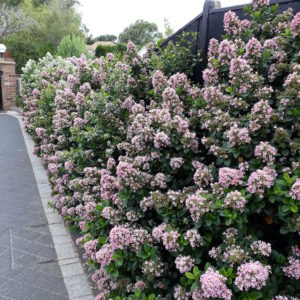
Escallonia Pink Elle
€50.00 Select options This product has multiple variants. The options may be chosen on the product page -
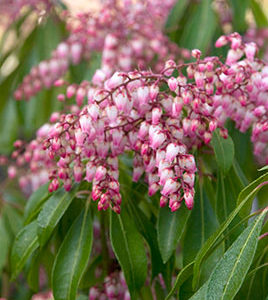
Pieris jap. Valley Rose
€20.00 Select options This product has multiple variants. The options may be chosen on the product page -
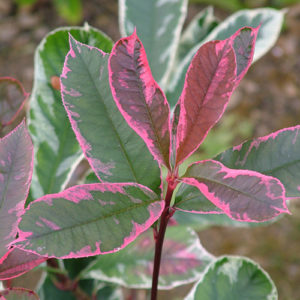
Photinia Pink Marble Cones
€145.00 Select options This product has multiple variants. The options may be chosen on the product page -

Cordyline Australis Red Star
€35.00 Select options This product has multiple variants. The options may be chosen on the product page