
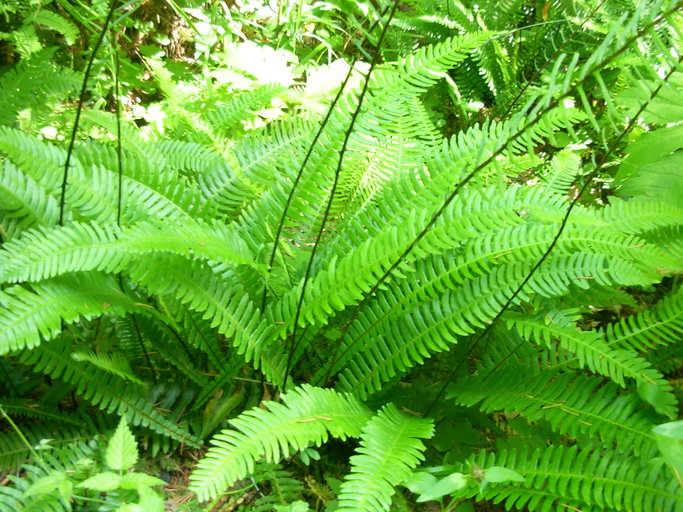
Blechnum spicant– Hard Fern
€9.50
Frequently Bought Together


Description
Quick Facts
– Botanical Name: Blechnum spicant
– Common Name: Hard Fern
– Plant Type: Evergreen fern
– Mature Height: 30–50cm (sterile fronds); fertile fronds more upright, to 60cm
– Mature Spread: 30–60cm
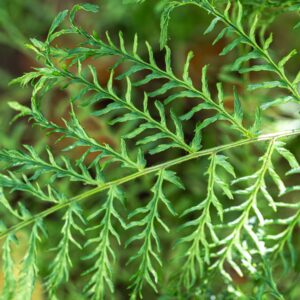
– Frond Colour: Deep, glossy dark green; ladder-like sterile fronds spreading to form a handsome rosette; upright fertile fronds held distinctively erect from the centre
– Habit: Low, spreading rosette of arching sterile fronds with contrasting upright fertile fronds at the centre
– Aspect: Full shade to part shade; thrives in deep shade
– Soil: Moist, humus-rich, acid to neutral; prefers acidic conditions
– Hardiness: Fully hardy — a native fern of Ireland & the UK
– Awards: RHS Award of Garden Merit (AGM)
– Maintenance: Very low
Description
There is something genuinely charming about Blechnum spicant — a fern that rewards close attention and improves quietly with age. It is one of the smaller, more compact ferns available, but what it lacks in scale it more than makes up for in character and year-round dependability. The dark, glossy, ladder-like sterile fronds spread gradually and semi-horizontally as the plant matures, forming a handsome, rosette-like shape at ground level that looks neat, considered, and entirely at home in a shaded garden setting.
What makes it particularly distinctive is the two clearly different types of frond it produces: the low, spreading sterile fronds that form the rosette, and the narrower, more upright fertile fronds that rise from the centre holding their spores — giving the plant a layered, almost architectural quality despite its modest scale. It is evergreen, reliably hardy, and entirely at home in the deep shade where many plants falter.
A native fern of Ireland and the UK — found naturally in woodland, moorland, and along stream banks across the island — there is something quietly right about growing it in an Irish garden. It belongs here, it has been here for thousands of years, and in the right shady spot it settles in and never looks back.
Caragh Garden Notebook
Planting:
Plant in spring or autumn into moist, humus-rich soil with a slightly acidic pH — this is one fern where soil acidity genuinely matters, and it will perform best in conditions that reflect its natural woodland and moorland habitat. Incorporate generous amounts of leafmould or composted bark at planting to create the rich, acidic woodland floor conditions it favours. A position in full to partial shade is ideal — beneath deciduous trees, in a north-facing border, or tucked into a shaded corner where it will receive dappled light at most. Set the crown at soil level, water in thoroughly, and mulch well around the base.
Watering:
Water regularly through the first growing season while roots are establishing. Once settled, Blechnum spicant is happiest with consistent moisture — it originates from stream banks and damp woodland and performs best when the soil never fully dries out. In reliably moist conditions it will look after itself with very little intervention; in drier gardens, regular watering through summer keeps the dark glossy fronds looking their best. Browning frond tips are usually the first sign that moisture levels need attention.
Feeding:
An annual mulch of leafmould or composted bark applied around the plant in spring feeds gently, retains moisture, and maintains the acidic soil conditions the plant prefers. This is the most natural and effective approach and replicates the leaf litter accumulation of the woodland floor over time. In soils that tend towards alkalinity, an occasional application of sulphur chips or ericaceous compost will help maintain the right conditions. Avoid lime-rich fertilisers entirely.
Seasonal Care & Tidy-Up:
As an evergreen fern, Blechnum spicant requires very minimal seasonal intervention. In late winter or early spring, remove any fronds that have been damaged or browned by cold, wind, or age — a light tidy to clear the way for the new season’s growth is all that is needed. The rosette shape and the contrast between sterile and fertile fronds is best appreciated when the plant is not obscured by tired old growth, so an annual spring clean is worthwhile. Beyond that, leave it to develop undisturbed — it becomes more attractive with each passing year.
Division:
Blechnum spicant spreads slowly by rhizome and is best left to develop at its own pace. Division can be carried out in spring if you wish to propagate or spread it through a shaded area of the garden. Lift carefully, divide into sections each with a healthy rhizome and crown, and replant immediately into well-prepared, moist, acidic soil. Water in thoroughly and maintain consistent moisture through the first season. It establishes steadily rather than quickly — patience in the first year after division is rewarded with a well-settled plant in the second.
Pests & Problems:
One of the most trouble-free ferns available. Slugs can occasionally target young fronds, particularly in spring — worth monitoring during this period. In alkaline soils, the plant will struggle and the fronds may yellow; maintaining the right soil pH is the most important preventative measure. In dry conditions the glossy dark fronds lose their lustre — consistent moisture is always the priority.
Design Notes:
The compact scale and low, spreading rosette habit of Blechnum spicant make it one of the most versatile and useful ferns for detailed, layered shade planting. Use it at the front of a shaded border where the rosette form can be properly seen; weave it between the crowns of hellebores, epimediums, and pulmonarias for a textured woodland floor that provides interest at ground level through every season; or repeat it in drifts beneath deciduous trees for a naturalistic, carpet-like effect that looks entirely in keeping with the surrounding planting. The dark, glossy fronds are particularly striking alongside lighter-coloured companions — the pale cream margins of a variegated sedge, the soft silver of a pulmonaria leaf, or the pale yellow of a winter-flowering hellebore. It is a fern that rewards close planting and careful company — small in scale, but never insignificant in effect.
Related products
-
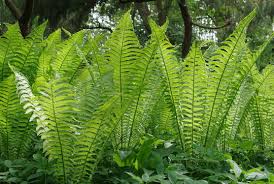
Matteuccia struthioptheris / Ostrich fern
€9.50 Select options This product has multiple variants. The options may be chosen on the product page -

Dryopteris ‘Crispa Cristata’
€8.50 Select options This product has multiple variants. The options may be chosen on the product page -
Photinia Red Robin Standard Pleached / Espalier
Price range: €390.00 through €650.00 Select options This product has multiple variants. The options may be chosen on the product page -
Dryopteris filix-mas Linearis Polydactyla
€8.50 Select options This product has multiple variants. The options may be chosen on the product page