


Dryopteris ‘Crispa Cristata’
€8.50
Frequently Bought Together




Description
Quick Facts
– Botanical Name: Dryopteris filix-mas ‘Crispa Cristata’
– Common Name: Crested Crinkle-Leaf Male Fern
– Plant Type: Semi-evergreen fern
– Mature Height: 60–90cm
– Mature Spread: 60–80cm
– Frond Colour: Fresh lush green on emergence, deepening to a rich, deep forest-green as the season progresses
– Foliage Detail: Crisped, crinkled pinnules along the frond length with distinctive crested, tasselled tips — a double layer of ornamental detail
– Habit: Upright, clump-forming shuttlecock with long, architectural fronds
– Aspect: Partial shade to full shade
– Soil: Moist, humus-rich, well-drained; tolerant of most soil types
– Hardiness: Very hardy in Ireland & the UK
– Maintenance: Very low
Description
Dryopteris ‘Crispa Cristata’ is a fern of accumulated detail — and the more closely you look, the more there is to find. The name describes it precisely: *Crispa* for the crinkled, crisped pinnules that run the length of each frond giving the foliage a ruffled, textured quality quite unlike any flat-fronded fern; and *Cristata* for the distinctive crested, tasselled tips that divide each frond end into a cluster of finger-like points. The combination of both characteristics in a single plant produces something that reads as genuinely architectural — crisp, structured, and considered from a distance, intricately detailed up close.
The season brings a colour change worth watching. The fronds emerge in a fresh, lush green in spring — light and bright against the darker tones of the shaded border — before gradually deepening to a rich, full forest-green as summer progresses. The shift is gradual and unhurried, giving the plant a different quality in April than it has in August. In mild positions it will hold some foliage through winter, contributing structure to the border through the colder months before a light spring prune refreshes it ready for the new season.
Caragh Garden Notebook
Planting:
Plant in spring or autumn into moist, humus-rich, well-drained soil with generous amounts of leafmould or well-rotted compost incorporated. A shaded position is ideal — beneath deciduous trees, in the dappled shade of a woodland border, or in a more architectural shaded scheme where the crisped and crested fronds can be properly appreciated as a design element. Unlike some ornamental ferns, this cultivar carries the robustness of the Male Fern beneath its more refined appearance and is tolerant of a wider range of conditions than it looks. Set the crown at soil level, water in thoroughly, and mulch around the base to retain moisture and gradually improve the soil.
Watering:
Water consistently through the first growing season and during dry spells thereafter. The long, upright fronds perform best with reliable moisture through summer — in dry conditions the crisped pinnules can lose some of their freshness and the deep forest-green colouring will be less rich than in well-hydrated plants. Once established in good, moisture-retentive soil, the plant will manage periods of dryness without serious harm, but consistent moisture always produces the finest frond quality in this cultivar.
Feeding:
A spring mulch of leafmould or well-rotted compost applied around the crown each year feeds gently, retains moisture, and gradually builds the rich soil conditions the plant favours. In poorer soils, a light balanced slow-release fertiliser in spring will support strong, upright frond growth. No additional feeding is required in good garden soil — consistent organic matter in the soil is more valuable to this plant than regular fertiliser applications.
Seasonal Care & Tidy-Up:
In sheltered or milder positions, ‘Crispa Cristata’ will retain some foliage through winter, which is worth preserving for the structural interest it provides in the colder months. In late winter or early spring — before new fronds begin to emerge — remove any tired, browned, or damaged fronds with a clean cut at the base. A spring prune-back to remove all old growth, even partially healthy fronds, will refresh the plant and allow the new season’s crisped and crested fronds to emerge cleanly and be properly appreciated. This annual tidy is the one moment of intervention the plant genuinely benefits from.
Division:
Divide every four to five years in spring to maintain vigour and to propagate or spread the plant through a shaded border. Lift the clump carefully with a fork and divide into sections, each with a healthy crown and good root system. Replant immediately into well-prepared, moist soil, water in thoroughly, and maintain consistent moisture through the first season. The crisped pinnules and crested tips are stable characteristics of this cultivar and will be present in all divisions — a useful plant for extending through the garden once established.
Pests & Problems:
Generally trouble-free. Slugs and snails can occasionally target emerging fronds in spring when the new growth is at its most fresh and vulnerable — worth monitoring at this stage, particularly as the crested tips are the most ornamental and the most noticeable if damaged. In very dry or impoverished soils, frond quality and the depth of the forest-green colouring will suffer; consistent moisture and organic matter in the soil are always the priorities. In very exposed positions, the long upright fronds can be susceptible to wind damage — a sheltered spot always shows this cultivar at its best.
Design Notes:
The double ornamental detail of crisped pinnules and crested tips gives ‘Crispa Cristata’ a quality that sits comfortably in both naturalistic woodland planting and more structured, architectural shade schemes — it has enough texture and refinement to hold its own in a considered design context while remaining entirely at home in an informal border. Use it as a focal point in a shaded bed where the upright habit and detailed fronds can be seen from a path or seating area; combine it with bold, simple-leaved companions — large hostas, bergenia, or Fatsia japonica — where the contrast between plain and ruffled foliage is most effective; or plant it alongside other crested and tasselled ferns — Dryopteris filix-mas ‘Linearis Polydactyla’, Polystichum setiferum ‘Divisilobum’ — for a fern collection of accumulated textural interest. The freshness of the spring emergence and the richness of the summer forest-green make it a plant that contributes something different at every stage of the season.
Additional information
| Pot Size |
|---|
Related products
-
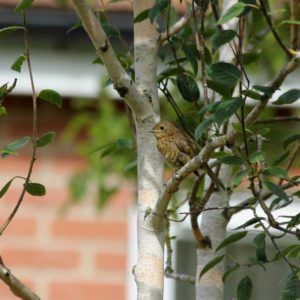
Betula Jacquemontii / Himalayan Birch
Price range: €180.00 through €600.00 Select options This product has multiple variants. The options may be chosen on the product page -
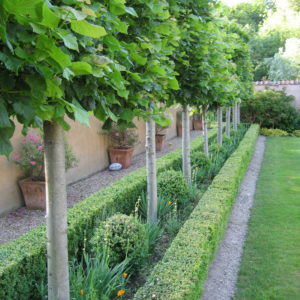
Pyrus Chanticleer Espalier
Price range: €440.00 through €450.00 Select options This product has multiple variants. The options may be chosen on the product page -
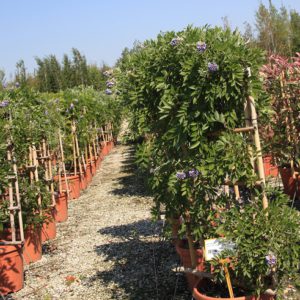
Wisteria sinensis Screen
€240.00 Select options This product has multiple variants. The options may be chosen on the product page -
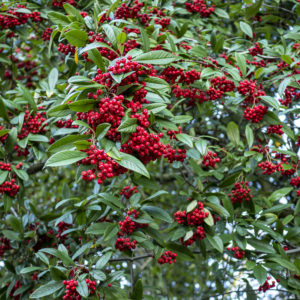
Cotoneaster ‘Cornubia’
Price range: €220.00 through €320.00 Select options This product has multiple variants. The options may be chosen on the product page