

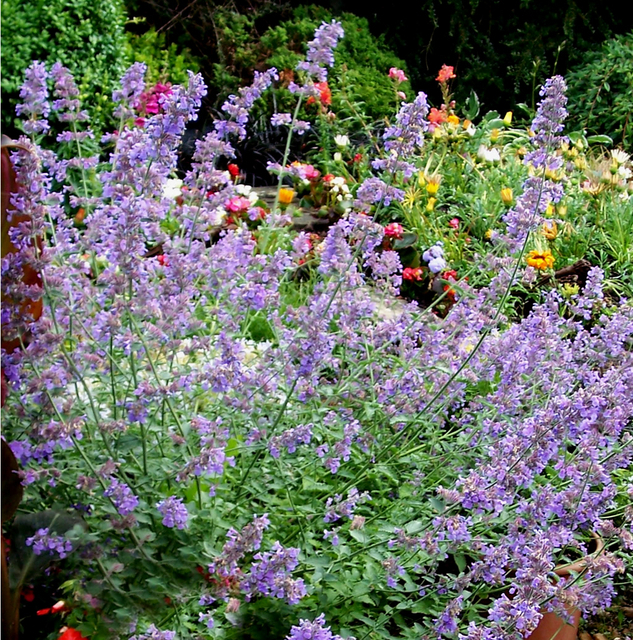
Nepeta Six Hills Giant
€8.50
Frequently Bought Together


Description
Quick Facts
Botanical Name: Nepeta × faassenii ‘Six Hills Giant’
Common Name: Catmint
Plant Type: Herbaceous perennial
Mature Height: 60–75cm
Mature Spread: 60–90cm
Flowering Period: Late spring to early autumn, with repeat flushes if trimmed
Flower Colour: Soft lavender-blue spikes
Foliage Colour: Grey-green, aromatic, softly textured leaves
Hardiness: Very hardy in Ireland & the UK
Soil Requirements: Well-drained, moderately fertile soil; tolerates poor soils
Aspect: Full sun
Maintenance: Low
Description
Nepeta ‘Six Hills Giant’ is one of the most useful plants for a sunny border. It forms a relaxed mound of grey-green aromatic foliage, then sends up long waves of soft lavender-blue flowers that keep coming back if you give it a quick trim after flowering. It’s loved by bees, easy to grow, and excellent for weaving through mixed planting without ever looking too stiff or formal. Reliable, long-flowering, and very hard to go wrong with.
Caragh Garden Notebook
Planting:
Plant in spring or autumn into well-drained soil in a sunny spot. Nepeta does best in poor to moderately fertile ground and will often flop if soil is too rich. Space plants 60–75cm apart.
Watering:
Water regularly while establishing. Once settled, it is drought-tolerant and prefers not to sit in wet soil. In hot weather it will benefit from occasional watering, especially in containers.
Feeding:
Very little feeding is needed. A light mulch of compost in spring is enough. Avoid heavy feeding, which encourages soft growth.
Seasonal Care & Tidy-Up:
Shear back after the first main flush of flowers to encourage a fresh round of growth and repeat blooming. In autumn, you can leave the foliage in place or tidy lightly before winter. Cut back hard in early spring if needed.
Division (to keep plants vigorous):
Divide every 3–4 years in spring if clumps become woody or open in the middle. Replant healthy outer sections into fresh soil.
Pests & Problems:
Generally trouble-free. Slugs may nibble young shoots, but otherwise it’s one of the easier perennials to grow. Good drainage is more important than rich soil.
Design Notes:
A natural partner for roses, salvias, alliums, and ornamental grasses. The soft blue flowers and airy habit make it especially useful for softening edges and blending stronger colours in a border. It also works well massed along a path or fronting a sunny bed where it can spill and repeat without becoming messy.
Additional information
| Pot Size |
|---|
Related products
-

Cordyline australis Torbay Dazzler
€15.00 Select options This product has multiple variants. The options may be chosen on the product page -

Lavender stoechas ‘Regal Splendour’
€8.50 Select options This product has multiple variants. The options may be chosen on the product page -

Lavender intermedia ‘Dutch’
€9.50 Select options This product has multiple variants. The options may be chosen on the product page -
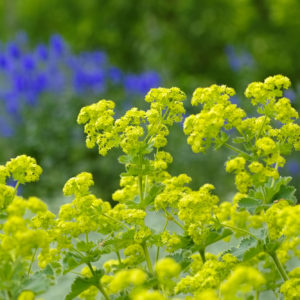
Alchemilla mollis
€8.50 Select options This product has multiple variants. The options may be chosen on the product page