
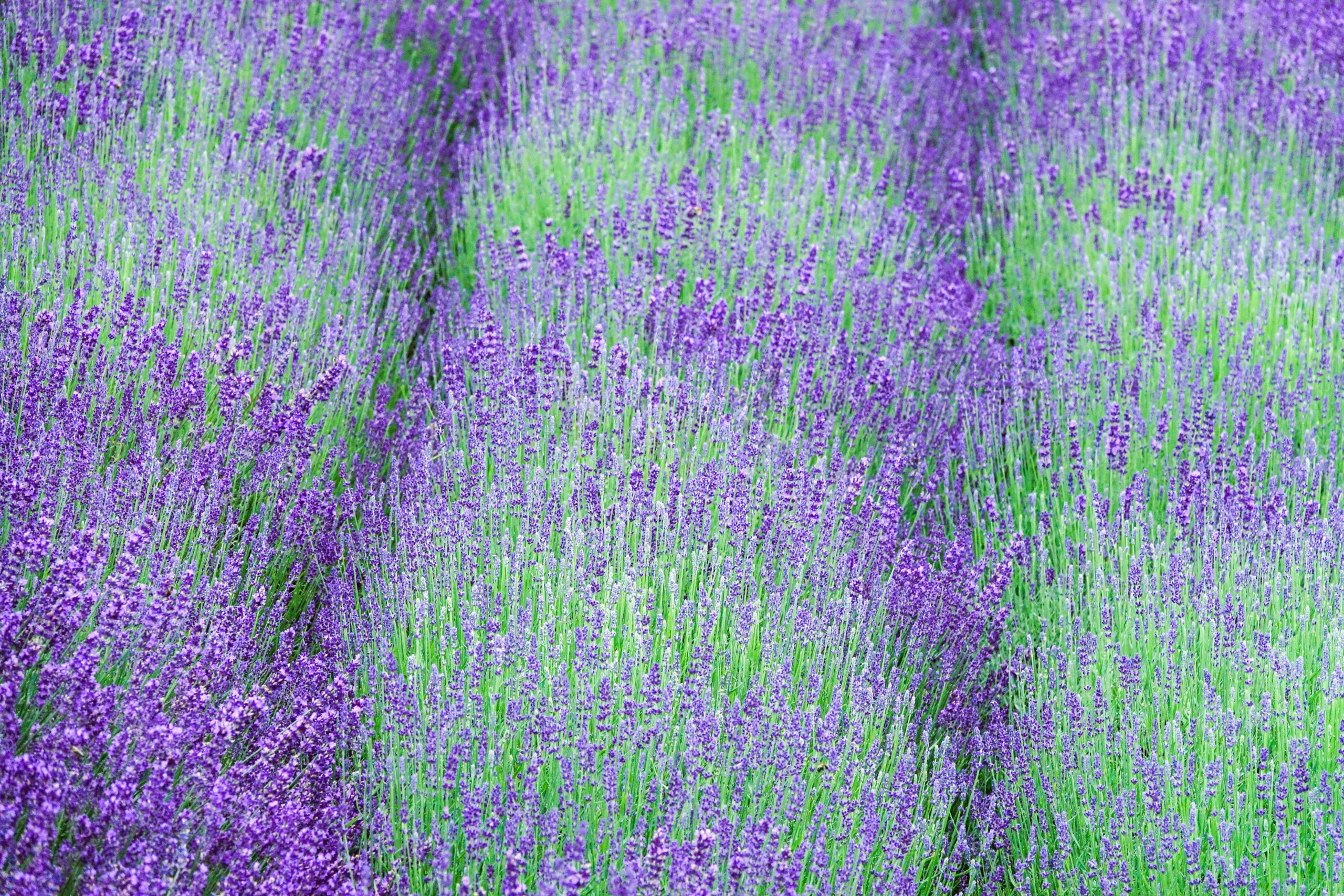
Lavandula angustifolia – English Lavender
€9.50
Frequently Bought Together

Description
Quick Facts
- Botanical Name: Lavandula angustifolia (syn. Lavandula officinalis)
- Common Name: English Lavender
- Plant Type: Evergreen shrub
- Height (approx.): 45–80cm (depending on clipping)
- Spread (approx.): 45–80cm
- Flowering: Summer (typically June–August)
- Flower Colour: violet-purple
- Fragrance: Classic lavender scent — rich, sweet, and unmistakable
- Position: Full sun
- Soil: Very free-draining; poor to moderately fertile soil is ideal
- Hardiness: Hardy and reliable in Ireland and the UK (with good drainage)
- Best For: Borders, edging, gravel gardens, pots, pollinator planting, scent gardens, low hedging
Description
This is the lavender everyone falls in love with first — neat, timeless, and wonderfully fragrant.
Lavandula angustifolia brings that soft, silvery-green foliage and a haze of summer flower spikes that hum with bees. It’s the plant that makes paths feel more inviting, patios feel warmer, and borders feel finished — a simple, classic structure with a beautiful payoff in scent.
Planted in drifts, clipped into a low hedge, or grown in pots by the door where you’ll brush past it, English lavender is one of the most generous plants you can add to a garden.
Caragh Garden Notebook
Planting & position
Lavender needs sun — lots of it. Choose an open, bright spot with good airflow. It’s ideal along paths, at the front of borders, or in gravel planting where the soil stays on the dry side.
Lavender needs sun — lots of it. Choose an open, bright spot with good airflow. It’s ideal along paths, at the front of borders, or in gravel planting where the soil stays on the dry side.
Soil & drainage (the make-or-break detail)
Lavender thrives in lean, free-draining soil and struggles in heavy, wet ground.
Lavender thrives in lean, free-draining soil and struggles in heavy, wet ground.
- If you have clay, improve drainage with grit and sharp sand, or plant on a slight mound.
- In pots, use a gritty compost mix and ensure excellent drainage holes.
Watering
- Water regularly in the first season while roots establish.
- Once settled, lavender is drought-tolerant and prefers to dry slightly between waterings.
- Avoid overwatering, especially in cooler weather.
Feeding
Lavender doesn’t want rich soil. Too much feed can lead to soft growth and fewer flowers. A light spring feed is plenty (or none at all in good garden soil).
Lavender doesn’t want rich soil. Too much feed can lead to soft growth and fewer flowers. A light spring feed is plenty (or none at all in good garden soil).
Pruning (for neat plants year after year)
Pruning is the secret to lavender that stays compact and long-lived.
Pruning is the secret to lavender that stays compact and long-lived.
- After flowering: Trim back the spent flower stems and lightly shape the plant.
- Spring tidy (optional): A gentle trim to refresh the outline.
- Always avoid cutting hard into old, woody stems with no green growth.
Related products
-
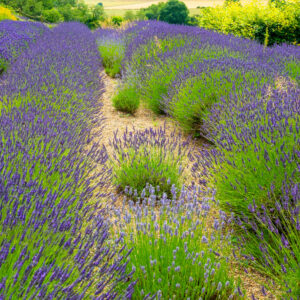
Lavender x intermedia ‘grosso’
€15.00 Select options This product has multiple variants. The options may be chosen on the product page -
Tilia x euchlora
Price range: €220.00 through €380.00 Select options This product has multiple variants. The options may be chosen on the product page -
Skimmia Japonica Kew White
Price range: €15.00 through €30.00 Select options This product has multiple variants. The options may be chosen on the product page -
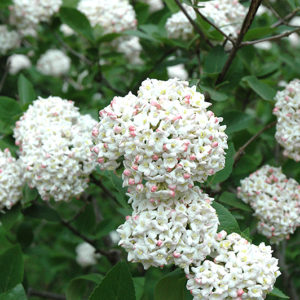
Viburnum x carlcephalum
Price range: €25.00 through €45.00 Select options This product has multiple variants. The options may be chosen on the product page