

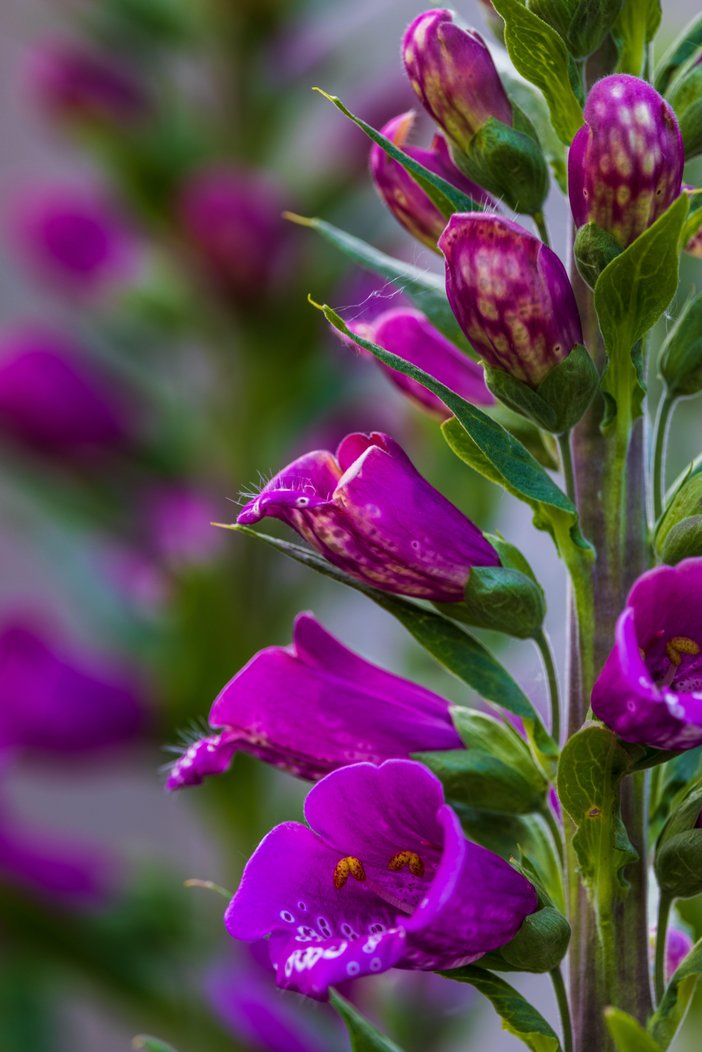
Digitalis purpurea ‘Dalmatian Purple’
€20.00
Description
Quick Facts
- Botanical name: Digitalis purpurea Dalmatian Series ‘Dalmatian Purple’
- Common name: Foxglove
- Type: Biennial or short-lived perennial
- Mature height and spread: Around 60–90cm tall and 30–45cm wide.
- Flowering period and colour: Late spring to midsummer (about May to July). Upright spikes of purple, tubular flowers with spotted throats.
- Foliage: A rosette of soft, slightly hairy, mid-green leaves at the base, with leafy flower stems.
- Hardiness: Fully hardy in Ireland and the UK (RHS H7, to about -20°C).
- Soil: Moist but well-drained soil, rich in organic matter. Tolerates most soils, including slightly acidic ones.
- Aspect: Part shade to dappled sun. Tolerates full sun if the soil stays moist.
- Maintenance: Low.
- Toxicity: All parts of this plant are toxic if eaten. See the note below.
Description
A compact, upright foxglove with spikes of purple, softly spotted bells that rise above a rosette of leaves in late spring and early summer. It flowers in its first year when raised from an early sowing, which makes it more reliable than a typical biennial foxglove. A lovely cottage-garden plant for borders, woodland edges and gravel, and a favourite of bees.
Toxicity note: All parts of foxgloves, including the leaves, flowers, seeds and stems, are toxic if eaten, and can be harmful to people, children, pets and livestock. Handle with gloves and wash your hands afterwards. Keep out of reach of children and animals.
Caragh Garden Notebook
Planting Plant in spring or autumn in moist, well-drained soil in part shade or dappled light. Dig a hole about twice the width of the pot, keep the top of the rootball level with the surface, firm in gently and water well. Space plants 30–45cm apart.
Watering Water regularly through the first season, and in dry weather. Foxgloves like moisture, though not waterlogged soil.
Feeding Apply a general slow-release fertiliser or compost in spring. Mulch with leaf mould to keep the roots moist and cool.
Seasonal Care and Tidy-Up Spring: Mulch and feed as new growth appears. Summer: Deadhead after flowering, or leave a few spikes to set seed. Autumn: Cut back spent stems and tidy the base. Winter: Leave the basal rosettes in place over winter, as they will flower next year.
Division Not applicable, as foxgloves aren’t divided. Cutting back the main flower spike after flowering often encourages smaller side spikes. Deadheading before the seed ripens limits self-seeding. Wear gloves when handling.
Pests and Problems
- Slugs and snails: The main pest, particularly on young plants and in wet weather.
- Powdery mildew and leaf spot: Can occur in dry or humid conditions. Water at the base and improve airflow.
- Aphids: Occasionally appear. Usually tolerated, or washed off.
- Short life: Foxgloves are short-lived, so allow some plants to self-seed or sow fresh seed regularly. Seedlings may vary in colour and height.
Design Notes Lovely among roses, ferns, hardy geraniums, aquilegias and alliums. It brings height to the middle of a border and looks natural in cottage or woodland planting. In a pot, use a deep container, and keep it away from pets and children.
Pollinators Popular with bumblebees, which climb inside the tubular bells for nectar.
Propagation Easy from seed sown in spring to early summer, or from self-sown seedlings. Seedlings may differ from the parent plant. For the first-year flowering to be repeated, fresh seed of the same series is best.
Additional information
| Pot Size |
|---|
Related products
-

Digitalis ‘illumination rasberry’
€12.50 Select options This product has multiple variants. The options may be chosen on the product page -
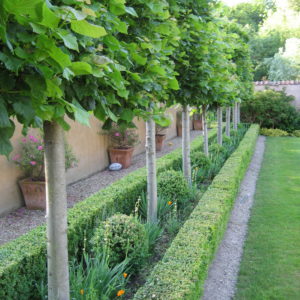
Pyrus Chanticleer Espalier
Price range: €440.00 through €450.00 Select options This product has multiple variants. The options may be chosen on the product page -
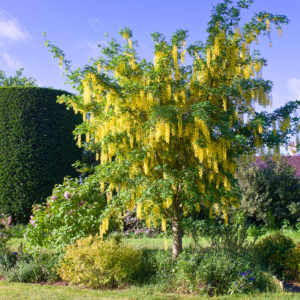
Laburnum x watereri Vossii / Golden Rain Tree
Price range: €245.00 through €580.00 Select options This product has multiple variants. The options may be chosen on the product page -
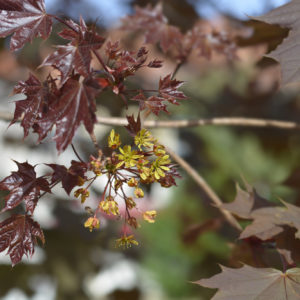
Acer Crimson King / Red Norway Maple
Price range: €75.00 through €950.00 Select options This product has multiple variants. The options may be chosen on the product page