

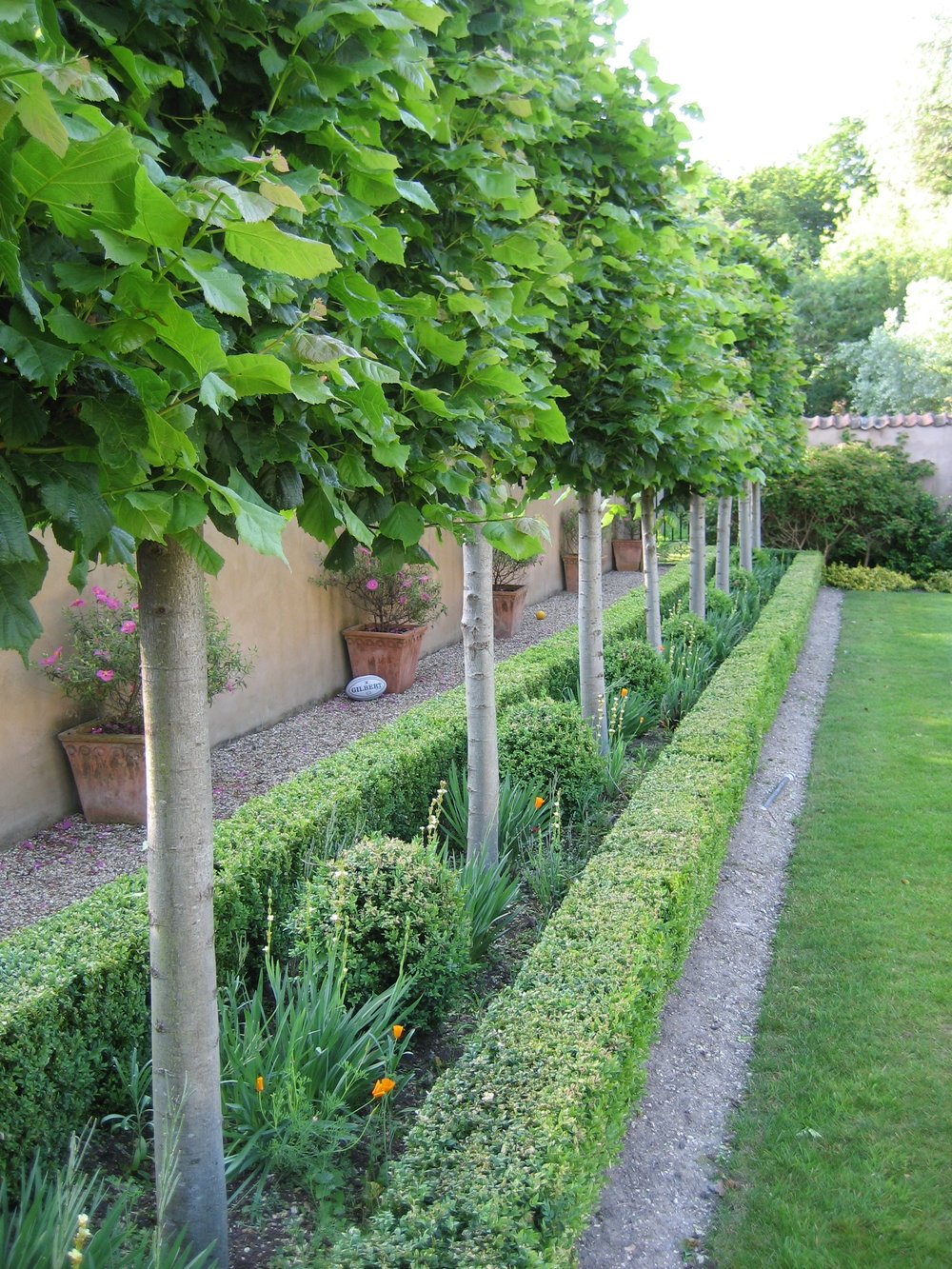
Pyrus Chanticleer Espalier
Price range: €440.00 through €450.00
Frequently Bought Together

Description
Quick Facts
– Botanical Name: Pyrus calleryana ‘Chanticleer’
– Common Name: Chanticleer Pear — Espalier Standard
– Plant Type: Deciduous ornamental tree, trained espalier
– Stem Height: 180cm (approx. 6ft) clear stem
– Girth: 16–18cm
– Frame Size: 120cm wide × 140cm high
– Flowering Period: Early spring (March–April)
– Flower Colour: White
– Foliage Colour: Rich green; fiery orange-red in autumn
– Hardiness: Fully hardy
– Soil Requirements: Moist, well-drained; tolerant of most soil types
– Aspect: Full sun to partial shade
– Maintenance: Low — light formative pruning after flowering or in late summer
Description
Grown on a tall clear stem of 180cm with a beautifully balanced espalier frame, this is a truly striking specimen that brings architectural elegance to any garden. Pyrus calleryana ‘Chanticleer’ is admired for its delicate, glossy foliage and abundance of white spring blossom, but it is the trained espalier form — held wide and flat with quiet precision — that makes this particular plant something special. Whether used as a living screen, a wall-trained feature, or a freestanding focal point, it combines refined structure with natural grace in a way that very few plants can match.
Caragh Garden Notebook
Planting:
Plant in a sunny, open position in well-drained, fertile soil. This specimen has been trained to a specific frame and benefits from being tied into a support structure — wall wires, a sturdy trellis, or a freestanding frame — to maintain its beautiful shape. Allow adequate space for the frame to sit flat and unobstructed.
Watering:
Water well throughout the first growing season to encourage strong establishment. Once settled, Chanticleer Pear is relatively drought tolerant, though a deep water during prolonged dry spells in summer will help maintain healthy foliage and flowering.
Feeding:
Apply a balanced fertiliser in early spring as buds begin to break. Avoid excessive nitrogen, which promotes leafy growth over flowering.
Seasonal Care & Tidy-Up:
Prune lightly after flowering in spring or in late summer to maintain the espalier framework. Remove any shoots growing outward from the flat plane, and tie in any new lateral growth along the frame wires as the season progresses. The less the frame is disturbed, the more refined and established it will look year on year.
Division (to keep plants vigorous):
Not applicable for trained standards. Focus on maintaining the existing framework and removing any vigorous upright growth (water shoots) that detracts from the espalier form.
Pests & Problems:
Generally very resilient. Fireblight can occasionally affect Pyrus in warm, wet springs — remove any affected growth promptly and sterilise cutting tools between cuts. Pear leaf blister mite may cause blistering on foliage but rarely affects the overall vigour of an established tree.
Design Notes:
The tall clear stem elevates the espalier frame above low planting, making it an exceptional choice for adding height, structure, and seasonal interest to formal gardens, courtyard settings, walled gardens, or contemporary borders. Underplant with low evergreen groundcover or seasonal bulbs to complement its spring blossom and autumn colour. Stunning as a pair flanking a gate or doorway.
Propagation:
Grafted variety — propagation by the home gardener is not recommended. Seek named grafted stock to preserve the cultivar’s form and qualities.
Additional information
| Pot Size | 180L 16-18cm girth, 180cm stem 120cm w x 140 h frame, 45L 1.8m stem , 12 – 14cm girth, 150x120H |
|---|
Related products
-
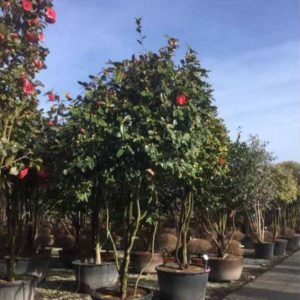
Camellia japonica Parachute Form
€1,800.00 Select options This product has multiple variants. The options may be chosen on the product page -

Olea europaea Mature Specimen
Price range: €2,500.00 through €4,500.00 Select options This product has multiple variants. The options may be chosen on the product page -

Cedrus atlantica Glauca Pendula / Blue Weeping Cedars
€180.00 Select options This product has multiple variants. The options may be chosen on the product page -
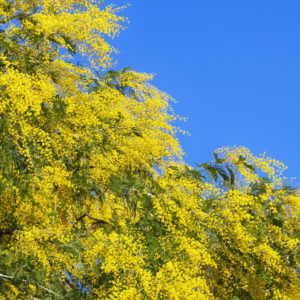
Acacia dealbata / Mimosa Tree
€210.00 Select options This product has multiple variants. The options may be chosen on the product page