


Ficus pumila – Creeping Fig
€20.00
Frequently Bought Together


Description
Quick Facts
- Botanical Name: Ficus pumila
- Common Name: Creeping Fig / Climbing Fig
- Plant Type: Evergreen climber / wall-covering groundcover
- Habit: Self-clinging; forms a dense, leafy mat over walls and fences
- Height/Spread (approx.): 3–6m+ with time (easily kept smaller with clipping)
- Foliage: Small, heart-shaped leaves; fresh green (variegated forms also exist)
- Position: Sun to part shade (best in a warm, sheltered spot)
- Soil: Moisture-retentive but free-draining
- Hardiness: Tender in colder/exposed sites; best against a warm wall in Ireland/UK
- Best For: Softening walls, covering fences, courtyard greening, sheltered urban gardens, pots with supports
Description
If you’ve ever looked at a bare wall and wished it felt greener — calmer, softer, more lived-in — Ficus pumila is made for that job.
It clings on by itself and slowly builds a tight tapestry of small, heart-shaped leaves, turning brick, render, and concrete into a living backdrop. The effect is lush but simple: not showy, just beautifully green — especially striking in courtyards and sheltered spaces where vertical planting makes everything feel more generous.
Give it time and a warm spot, and it will quietly transform hard surfaces into garden.
Caragh Garden Notebook
Where to plant it
In Ireland and the UK, creeping fig is happiest in a warm, sheltered microclimate — a south- or west-facing wall is ideal. It will tolerate part shade, but growth is usually stronger with more light and warmth.
In Ireland and the UK, creeping fig is happiest in a warm, sheltered microclimate — a south- or west-facing wall is ideal. It will tolerate part shade, but growth is usually stronger with more light and warmth.
Soil & drainage
It likes soil that stays lightly moist but never waterlogged. Improve very dry soil with organic matter, and improve heavy soil with compost and grit to keep roots healthy.
It likes soil that stays lightly moist but never waterlogged. Improve very dry soil with organic matter, and improve heavy soil with compost and grit to keep roots healthy.
Watering
- Water regularly in the first season while it establishes.
- Once settled, it’s fairly resilient, but will appreciate watering in prolonged dry spells — especially if planted under eaves or in a pot.
Training & early guidance
Although it self-clings, young growth benefits from a little help:
Although it self-clings, young growth benefits from a little help:
- Tie in stems at the start to encourage coverage in the direction you want.
- Once it grips, it will spread steadily.
Pruning & keeping it tidy
This is the key to a neat finish.
This is the key to a neat finish.
- Clip back as needed through the growing season to keep it within bounds.
- It can be cut back quite hard if it gets too enthusiastic, but do it in stages and avoid severe pruning right before winter.
Winter care
In colder or exposed gardens, foliage can be damaged by frost. Planting in a sheltered spot makes a big difference. If grown in a pot, move it to a protected position in severe weather.
In colder or exposed gardens, foliage can be damaged by frost. Planting in a sheltered spot makes a big difference. If grown in a pot, move it to a protected position in severe weather.
Design notes
- Brilliant for courtyards and small gardens where vertical green makes the space feel larger
- Beautiful alongside other climbers (as long as each has its own space)
- A simple way to make new walls feel established and softened
Related products
-

Photinia Red Robin Parachute Form
Price range: €780.00 through €1,500.00 Select options This product has multiple variants. The options may be chosen on the product page -
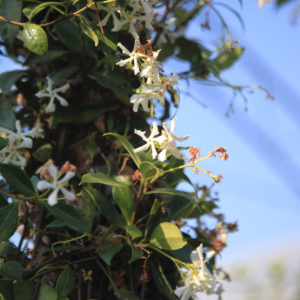
Trachelospermum jasminoides / Evergreen Jasmine
Price range: €30.00 through €600.00 Select options This product has multiple variants. The options may be chosen on the product page -
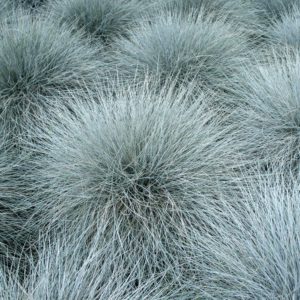
Festuca glauca
€8.50 Select options This product has multiple variants. The options may be chosen on the product page -
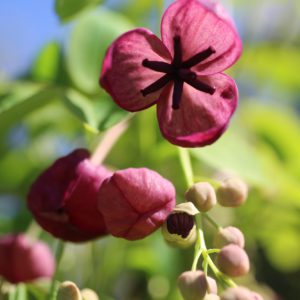
Akebia quinata
€25.00 Select options This product has multiple variants. The options may be chosen on the product page