

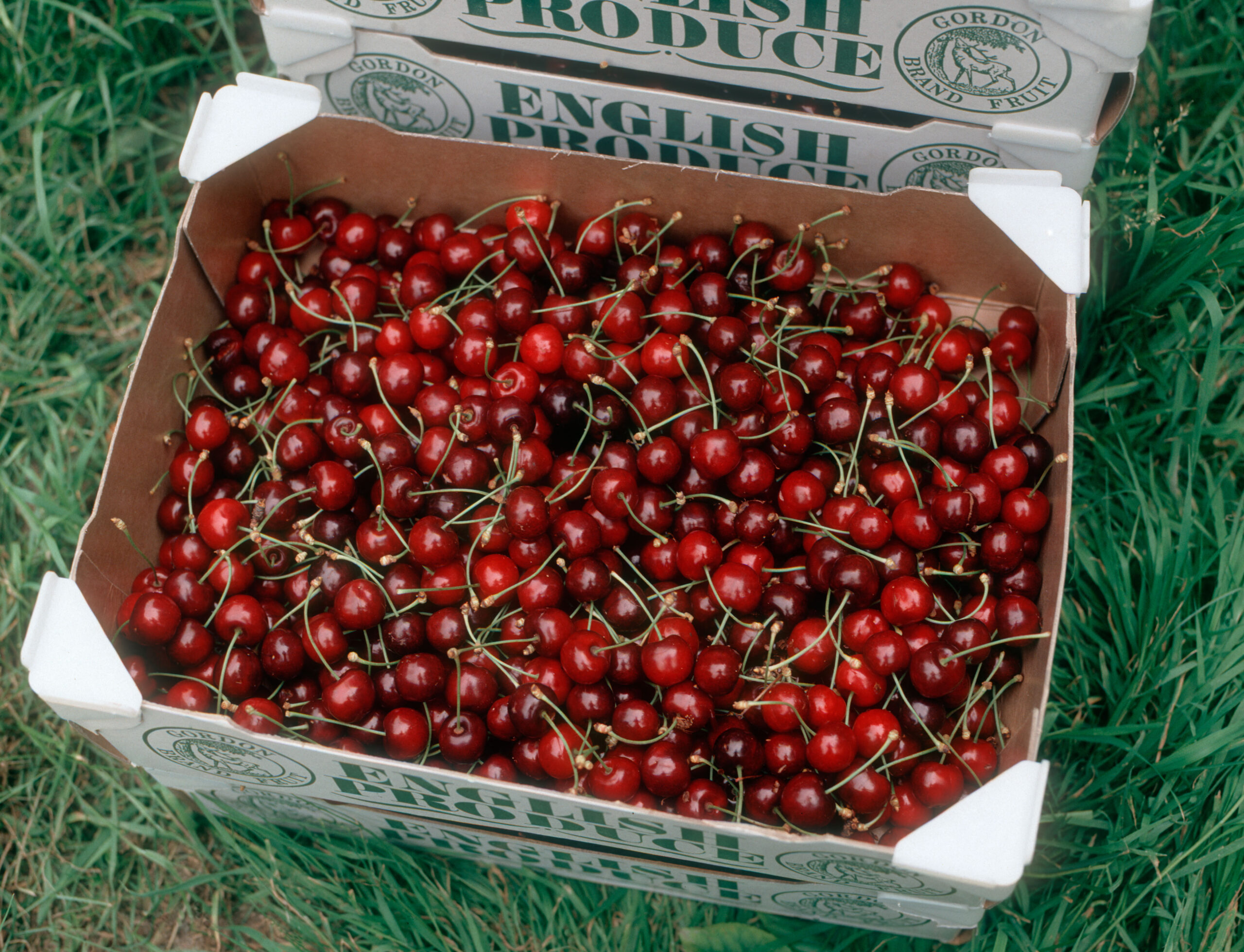
Prunus avium ‘early rivers’
€45.00
Description
Quick Facts
- Common Name: Early Rivers Cherry
- Botanical Name: Prunus avium ‘Early Rivers’
- Plant Type: Deciduous fruit tree
- Mature Height: 3–4m (can be kept smaller with pruning or on dwarfing rootstock)
- Mature Spread: 2.5–3.5m
- Flowering Period: April
- Flower Colour: White
- Fruit: Large, dark red cherries; sweet and juicy; harvest late June to early July (one of the earliest cropping cherries)
- Foliage: Mid-green, turning yellow and orange in autumn
- Hardiness: RHS H6 (hardy throughout UK & Ireland)
- Soil Requirements: Moist, well-drained, moderately fertile
- Aspect: Full sun (essential for best fruiting and flavour)
- Maintenance: Moderate (annual pruning, netting for birds)
Description
Prunus avium ‘Early Rivers’ is a classic early cherry variety, prized for its generous crops of large, sweet, dark red fruit that ripen just as summer begins. With its upright, manageable habit and reliable performance, it’s a brilliant choice for Irish and UK gardens—especially if you want to enjoy cherries before most other varieties are ready.
In spring, ‘Early Rivers’ puts on a beautiful display of pure white blossom, attracting pollinators and lighting up the garden. By late June to early July, the tree is heavy with cherries—juicy, richly flavoured, and perfect for eating fresh, baking, or making preserves. The fruit is among the first to ripen, giving you a head start on cherry season.
This variety is vigorous and productive, thriving in full sun and well-drained soil. While not self-fertile, it will crop well if planted near another sweet cherry variety for pollination. Its robust health and early harvest make it a favourite for home growers and orchardists alike.
Caragh Garden Notebook
Planting:
Space trees 2.5–3.5m apart for standards, or closer for cordons/espaliers. Plant bare-root or container-grown trees in late autumn to early spring (November–March). Choose a sunny, sheltered site with fertile, well-drained soil. Avoid frost pockets and waterlogged areas. Dig a generous hole, incorporate well-rotted compost, and plant at the same depth as in the nursery. Firm soil, water well, and mulch to retain moisture.
Space trees 2.5–3.5m apart for standards, or closer for cordons/espaliers. Plant bare-root or container-grown trees in late autumn to early spring (November–March). Choose a sunny, sheltered site with fertile, well-drained soil. Avoid frost pockets and waterlogged areas. Dig a generous hole, incorporate well-rotted compost, and plant at the same depth as in the nursery. Firm soil, water well, and mulch to retain moisture.
Soil Preparation:
Prefers moderately fertile, moist but well-drained soil; pH 6.0–7.0 is ideal. Improve poor soils with compost or well-rotted manure before planting.
Prefers moderately fertile, moist but well-drained soil; pH 6.0–7.0 is ideal. Improve poor soils with compost or well-rotted manure before planting.
Pruning & Care:
Prune in late summer after fruiting to maintain shape and encourage healthy new growth. Remove any dead, damaged, or crossing branches. Net the tree as fruit ripens to protect the crop from birds.
Prune in late summer after fruiting to maintain shape and encourage healthy new growth. Remove any dead, damaged, or crossing branches. Net the tree as fruit ripens to protect the crop from birds.
Pollination:
‘Early Rivers’ is not self-fertile—plant near another cherry variety (such as ‘Stella’, ‘Sunburst’, or ‘Lapins’) for reliable fruit set.
‘Early Rivers’ is not self-fertile—plant near another cherry variety (such as ‘Stella’, ‘Sunburst’, or ‘Lapins’) for reliable fruit set.
Harvesting:
Pick cherries from late June to early July when fully coloured and sweet. Harvest regularly for the best quality and flavour.
Pick cherries from late June to early July when fully coloured and sweet. Harvest regularly for the best quality and flavour.
Pests & Problems:
Generally reliable and disease resistant. Watch for birds (netting recommended), aphids, and cherry fruit fly. Good hygiene and regular checks help keep trees healthy.
Generally reliable and disease resistant. Watch for birds (netting recommended), aphids, and cherry fruit fly. Good hygiene and regular checks help keep trees healthy.
Related products
-

Vinca minor
€8.50 Select options This product has multiple variants. The options may be chosen on the product page -
Cornus alba ‘Sibirica’
Price range: €30.00 through €50.00 Select options This product has multiple variants. The options may be chosen on the product page -

Nandina Blush Pink
€15.00 Select options This product has multiple variants. The options may be chosen on the product page -
Prunus Victoria
Price range: €45.00 through €60.00 Select options This product has multiple variants. The options may be chosen on the product page