

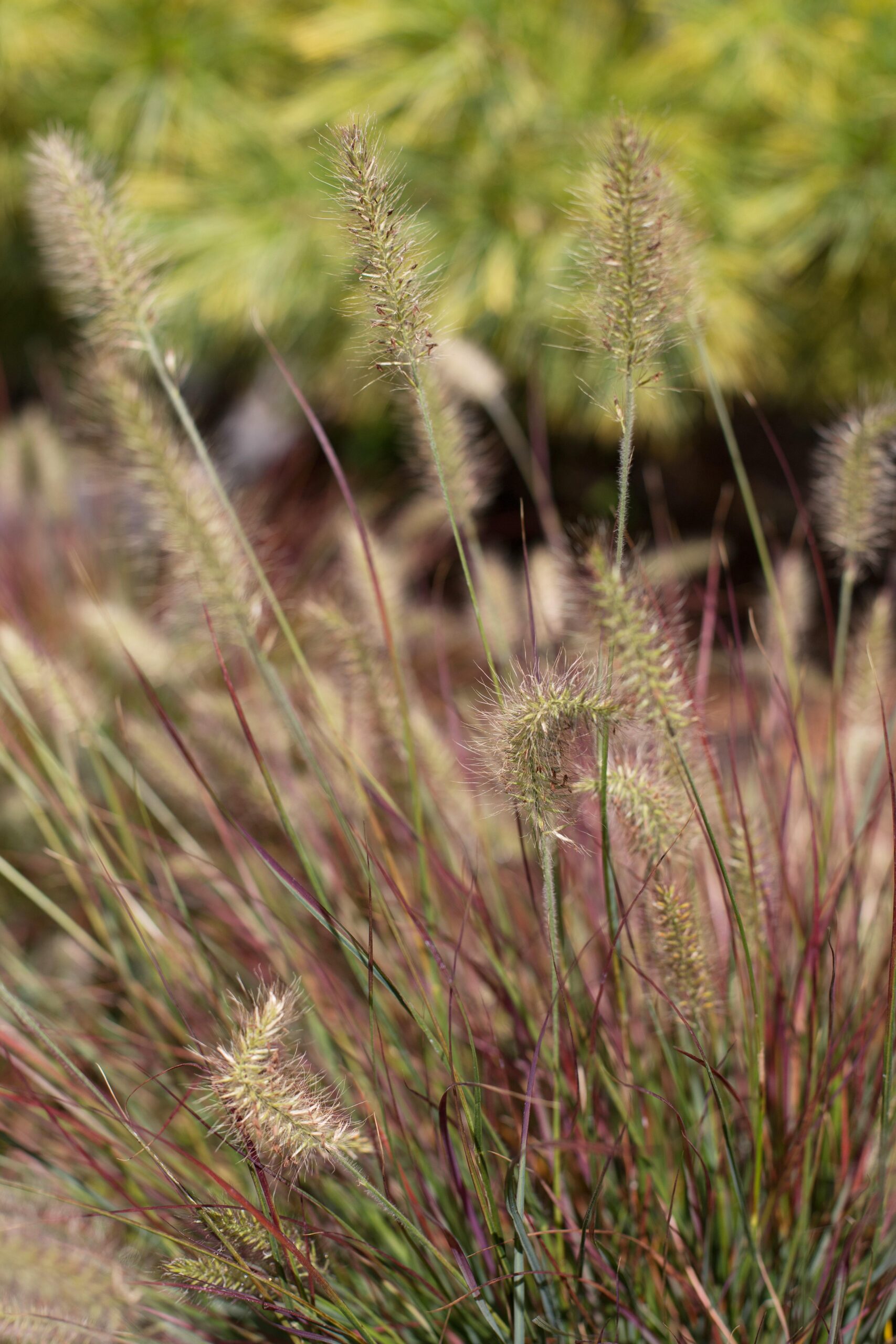
Pennisetum Burgundy Bunny
€8.50
Frequently Bought Together
Description
Quick Facts
Botanical Name: Pennisetum alopecuroides ‘Burgundy Bunny’
Common Name: Dwarf Fountain Grass
Plant Type: Deciduous perennial grass
Mature Height: 30–45cm
Mature Spread: 45–60cm
Flowering Period: Late summer to autumn (August–October)
Flower Colour: Burgundy-red fluffy bottlebrush plumes
Foliage Colour: Mid-green narrow leaves turning rich burgundy-red in autumn
Hardiness: Hardy in Ireland & the UK
Soil Requirements: Well-drained, moderately fertile soil
Aspect: Full sun
Maintenance: Low
Description
Pennisetum ‘Burgundy Bunny’ is a compact, well-behaved ornamental grass that packs a lot into a small space. Through summer it forms a neat, arching mound of fine green foliage, then from late August it produces fluffy, bottlebrush-like plumes in a rich burgundy-red that catch the light beautifully. As autumn progresses the whole plant deepens in colour — foliage and plumes together turning warm shades of red and bronze that carry well into winter. Small enough for containers and front-of-border planting, it’s one of those grasses that suits almost any garden and earns its keep across three seasons.
Caragh Garden Notebook
Planting:
Plant in spring into well-drained soil in a sunny position. Pennisetums need warmth to perform at their best — a sheltered, open spot in full sun will produce the strongest growth and the most prolific flowering. Space plants 45–60cm apart to allow the arching habit to develop naturally.
Watering:
Water regularly through the first growing season to establish. Once settled, ‘Burgundy Bunny’ is reasonably drought-tolerant in the ground. In containers, water consistently through summer and reduce through winter, ensuring pots never become waterlogged.
Feeding:
A light mulch of compost in spring is sufficient for plants in the ground. In containers, apply a balanced slow-release feed in spring to support healthy growth through the season.
Seasonal Care & Tidy-Up:
Leave the plumes and foliage standing through winter — they look attractive with frost and provide structure in the garden when little else is happening. Cut back hard to within a few centimetres of the ground in early spring before new growth emerges. Avoid cutting back in autumn as the crown benefits from the protection of the old growth.
Division (to keep plants vigorous):
Divide every 3–4 years in late spring once the soil has warmed up. Pennisetums resent cold, wet conditions around their roots when newly divided — spring division gives them the best chance to establish before winter. Discard any woody central sections and replant the vigorous outer portions.
Pests & Problems:
Generally very trouble-free. In cold, wet winters, poorly drained soil can cause the crown to rot — good drainage at planting is the most important preventative measure. In cooler summers or shadier positions, flowering may be reduced; full sun is strongly recommended for the best display.
Design Notes:
Brilliant at the front of a border or along a path edge where the arching habit and fluffy plumes can be appreciated up close. The burgundy-red autumn colour makes it a natural companion for late-season plants — try it alongside Sedums, Rudbeckias, Heleniums, and Miscanthus for a warm, rich autumn display. Also works beautifully in containers, either as a standalone specimen or combined with trailing plants and late-season flowers. Repeated in groups of three or five it creates a strong, cohesive rhythm through a border from late summer right through to the first hard frosts.
Additional information
| Pot Size |
|---|
Related products
-
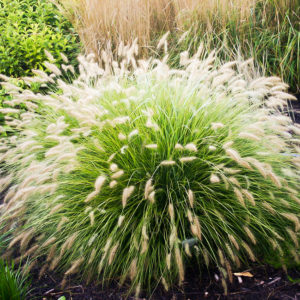
Pennisetum alopecuroides ‘Little Bunny’
€8.50 Select options This product has multiple variants. The options may be chosen on the product page -
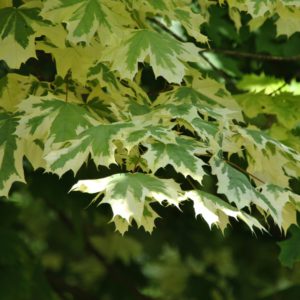
Acer plat. ‘drummondii’
Price range: €150.00 through €650.00 Select options This product has multiple variants. The options may be chosen on the product page -
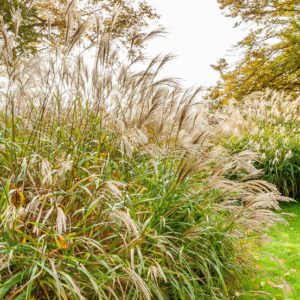
Miscanthus Silberfeder / Silver Feather
€9.50 Select options This product has multiple variants. The options may be chosen on the product page -
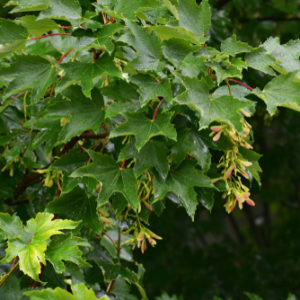
Acer platanoides
Price range: €220.00 through €500.00 Select options This product has multiple variants. The options may be chosen on the product page