

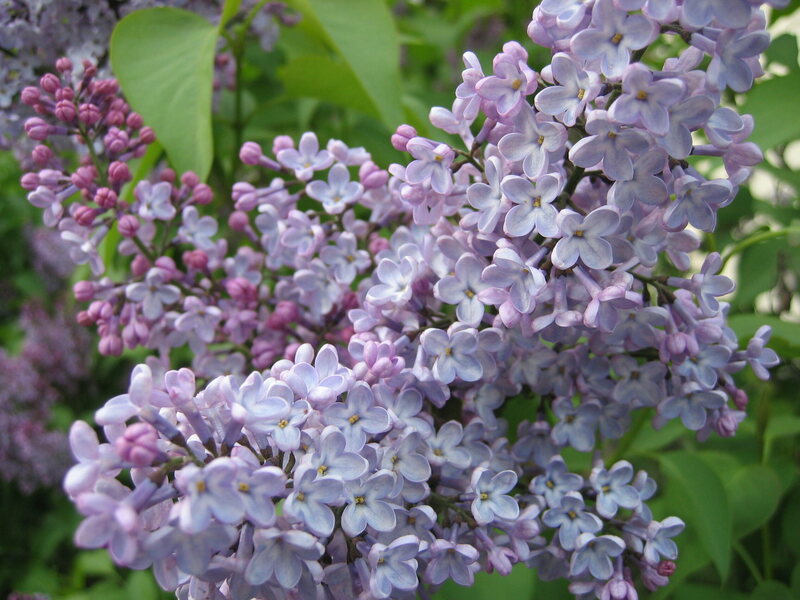
Syringa ‘norrfjarden’
Price range: €350.00 through €400.00
Frequently Bought Together

Description
Quick Facts
- Botanical Name: Syringa ‘Norrfjärden’
- Common Name: Lilac
- Plant Type: Deciduous flowering shrub
- Habit: Upright, bushy, multi-stemmed
- Height (approx.): 2–3m (can be more over time, depending on conditions)
- Spread (approx.): 1.5–2.5m
- Flowering: Late spring to early summer (typically May–June)
- Flower Colour: Soft lilac to lavender-purple (shades can vary)
- Fragrance: Sweet lilac perfume
- Position: Full sun (best flowering)
- Soil: Fertile, moisture-retentive but free-draining
- Hardiness: Very hardy
- Best For: Cottage gardens, spring scent, pollinator planting, mixed borders, flowering hedges, cutting gardens
Description
Lilac season is one of those short windows that makes the whole garden feel different — and ‘Norrfjärden’ is a beautifully generous way to enjoy it.
In late spring, it fills itself with lavender-lilac flower panicles and that unmistakable perfume that stops you mid-step. It has a relaxed, old-fashioned presence — the kind of shrub that makes a garden feel established — but it’s also wonderfully easy to live with: hardy, reliable, and happy in most good garden soils.
Plant it where you’ll pass by often, because the scent is half the point.
Caragh Garden Notebook
Planting & position
Full sun is the key to abundant flowering. Choose an open, bright spot with good airflow. Lilacs will tolerate light shade, but you’ll get fewer flowers.
Full sun is the key to abundant flowering. Choose an open, bright spot with good airflow. Lilacs will tolerate light shade, but you’ll get fewer flowers.
Soil
Lilacs prefer fertile soil that holds some moisture but drains well. Avoid very wet ground in winter. A spring mulch of compost helps keep growth strong and flowering generous.
Lilacs prefer fertile soil that holds some moisture but drains well. Avoid very wet ground in winter. A spring mulch of compost helps keep growth strong and flowering generous.
Watering
- Water regularly in the first season after planting.
- Once established, water during prolonged dry spells, especially in spring as buds form.
Feeding
A balanced feed in early spring can help, but avoid very high-nitrogen feeds (too much leafy growth, fewer flowers).
A balanced feed in early spring can help, but avoid very high-nitrogen feeds (too much leafy growth, fewer flowers).
Pruning (when and how)
Prune straight after flowering — lilacs set next year’s buds in summer.
Prune straight after flowering — lilacs set next year’s buds in summer.
- Remove spent flower heads if you like a tidy finish.
- Thin out a few older stems at the base over time to keep the plant vigorous.
- Avoid hard pruning in winter, which can reduce flowering.
Suckers
Some lilacs produce shoots from the base. Remove these if you want a clean shrub shape, or allow a few if you prefer a more natural, thicket-style look.
Some lilacs produce shoots from the base. Remove these if you want a clean shrub shape, or allow a few if you prefer a more natural, thicket-style look.
Design notes
- Beautiful with roses, peonies, alliums, nepeta, and spring bulbs
- Perfect near a path, gate, or seating area where you’ll enjoy the scent
- Excellent for cutting — a few stems indoors makes the whole house feel like spring
Related products
-

Acer Globosum
€950.00 Select options This product has multiple variants. The options may be chosen on the product page -

Sorbus aria Lutescens / Whitebeam
€520.00 Select options This product has multiple variants. The options may be chosen on the product page -
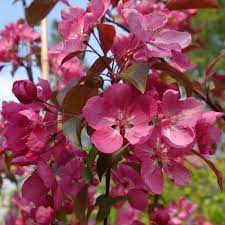
Malus Rudolph / Crab apple Rudolph
€75.00 Select options This product has multiple variants. The options may be chosen on the product page -

Quercus rubra / Red Oak
€225.00 Select options This product has multiple variants. The options may be chosen on the product page