

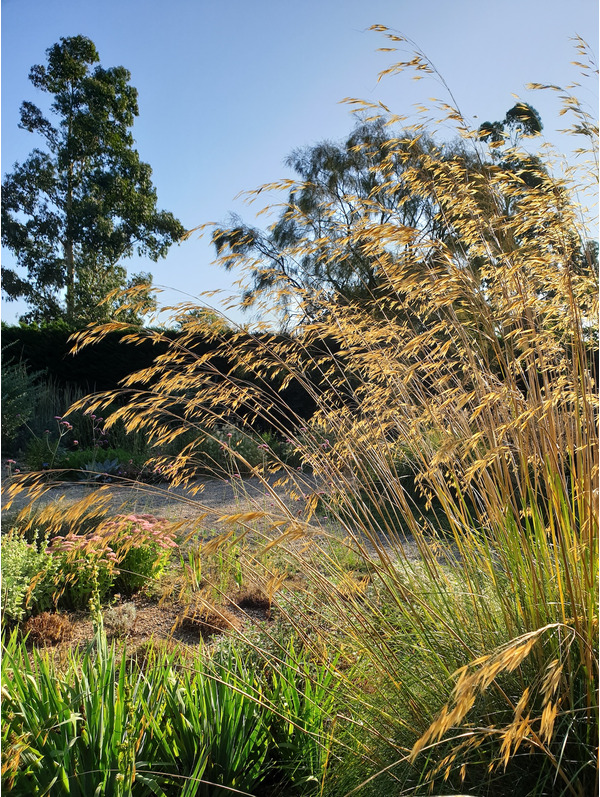
Stipa gigantea– Golden Oats
Price range: €8.50 through €20.00
Frequently Bought Together

Description
Quick Facts
– Botanical Name: Stipa gigantea (syn. Celtica gigantea)
– Common Name: Giant Feather Grass / Golden Oats
– Plant Type: Evergreen ornamental grass
– Mature Height: 50cm mound; flowering stems rise to 2.5m
– Mature Spread: 60–90cm
– Flowering Period: Early summer onwards; seed heads persist through to autumn
– Flower Colour: Tall, airy stems of golden, dangling, oat-like flower and seed heads — luminous in low light
– Foliage: Narrow, grey-green arching leaves forming a low mound of about 50cm
– Habit: Clump-forming; tall, arching, airy flowering stems float above the foliage
– Aspect: Full sun
– Soil: Well-drained to dry; tolerant of poor and gravelly soils
– Hardiness: Hardy in Ireland & the UK
– Awards: RHS Award of Garden Merit (AGM)
– Maintenance: Very low
Description
There are few plants that move, shimmer, and catch the light like Stipa gigantea — and none quite so effectively at this scale. Low and understated at ground level, with a neat mound of narrow arching grey-green leaves, it reveals its true drama in summer when tall, slender stems rise up to 2.5 metres, carrying beautiful dangling sprays of golden oat-like flowers. Held high above the foliage and moving with the lightest breeze, they transform the plant into a transparent, glowing haze of gold — quite literally a sea of golden stems and seed heads when planted generously.
It is a grass for dry, sunny positions — tolerant of poor soil, drought, and gravel — which makes it genuinely valuable in the difficult, hot, dry corners of a garden where so many borders struggle. Planted in a swathe, with the sun low in the sky catching the golden heads, it is one of the most striking and moving sights a garden can offer.
Caragh Garden Notebook
Planting:
Plant in spring or early autumn into well-drained to dry soil — full sun and good drainage are the two conditions Stipa gigantea needs, and both are essential for it to thrive. It is genuinely drought-tolerant once established and is excellent in poor, sandy, or gravelly soils and hot, dry positions where richer plants struggle. Because the flowering stems rise so high, position it where the golden heads can be seen against the sky or against open space, and where the late sun will catch them from behind. In a very wet or heavy garden, plant on a slight mound or in a gravel bed to guarantee the sharp drainage it needs. Space generously — the grass responds to room and builds an increasingly handsome clump over time.
Watering:
Water consistently through the first growing season while roots establish. Once settled, Stipa gigantea is genuinely drought-tolerant and requires little or no supplementary watering in an Irish or UK garden, thriving in hot, dry conditions where it would simply look after itself. Overwatering is more of a risk than drought, particularly in winter — good drainage is always the priority.
Feeding:
Feed sparingly if at all. Stipa gigantea performs best in lean, well-drained conditions, and rich or heavily fed soil simply produces soft, lush growth at the expense of the elegant, airy habit and the golden flowering stems that give the plant its beauty. A light topdress of grit or gravel in spring is all that is needed in most gardens; in very poor soils, a minimal application of slow-release fertiliser in spring will support healthy growth without encouraging the rank, floppy growth that rich conditions produce.
Seasonal Care & Tidy-Up:
The seed heads should be left standing through summer and autumn — they are the point of the whole plant, catching the light and moving in the breeze, and they give brilliant winter structure when touched by frost. In late winter or early spring, comb through the plant with gloved hands or give it a light tidy to remove the previous year’s tired stems and make way for the new season’s growth. Avoid cutting it right down hard — a gentle tidy is always preferable, as the basal mound of foliage is evergreen and should be preserved.
Propagation & Management:
Stipa gigantea is a long-lived, clump-forming grass that will slowly increase in size but does not spread aggressively or seed around in a problematic way — one of its easier qualities to live with. If you wish to propagate or reduce an established plant, division in spring is the method: lift the clump, divide into sections with healthy roots, and replant immediately into well-drained soil. It establishes steadily after division rather than quickly, so patience in the first season is rewarded in subsequent years.
Pests & Problems:
Generally very trouble-free. The most common problem is poor drainage or waterlogging, particularly in heavy, wet soil or over winter, which can cause the crown to rot — good drainage at planting on a mound or in a gravel bed is the most reliable prevention. In very exposed, wind-blown positions, the tall flowering stems can be buffeted; a position with some shelter, or simply the space to move freely, keeps the display at its best. Slugs can occasionally shelter around the base but rarely cause significant damage.
Design Notes:
The tall, golden, translucent flowering stems of Stipa gigantea are among the most effective of all ornamental grasses for adding height, light, and movement to a planting — and the way it glows in the low, late sun is genuinely unrivalled. Plant it in a swathe for the stunning effect of a sea of golden stems and seed heads, where the whole drift moves together and shimmers in the light; interplant it more loosely through a prairie-style scheme or hot, dry border where it floats above lower perennials — Echinacea, Rudbeckia, and Salvias all work beautifully beneath its golden haze; or use it singly as a striking accent where the tall, arching stems can be silhouetted against open sky. In a gravel garden it is entirely at home, and the combination of the drought-tolerant theme of the planting with the luminous golden heads is one of the most successful naturalistic effects available. For a dramatic, light-filled planting that needs almost no care, there are few better or more rewarding choices.
Related products
-
Stipa arundinacea
€9.50 Select options This product has multiple variants. The options may be chosen on the product page -
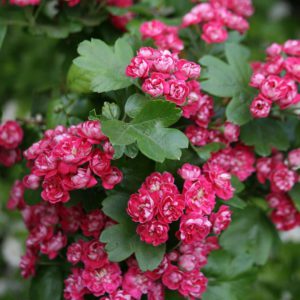
Crataegus Pauls Scarlet / Red Hawthorn
Price range: €45.00 through €240.00 Select options This product has multiple variants. The options may be chosen on the product page -
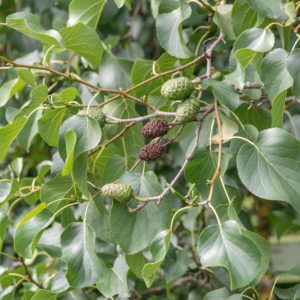
Alnus cordata / Italian Alder
Price range: €330.00 through €550.00 Select options This product has multiple variants. The options may be chosen on the product page -
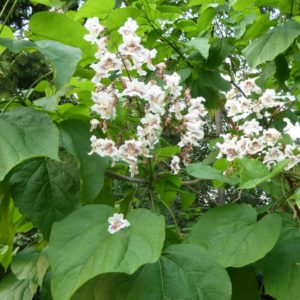
Catalpa biganoides / Indian Bean Tree
€440.00 Select options This product has multiple variants. The options may be chosen on the product page