

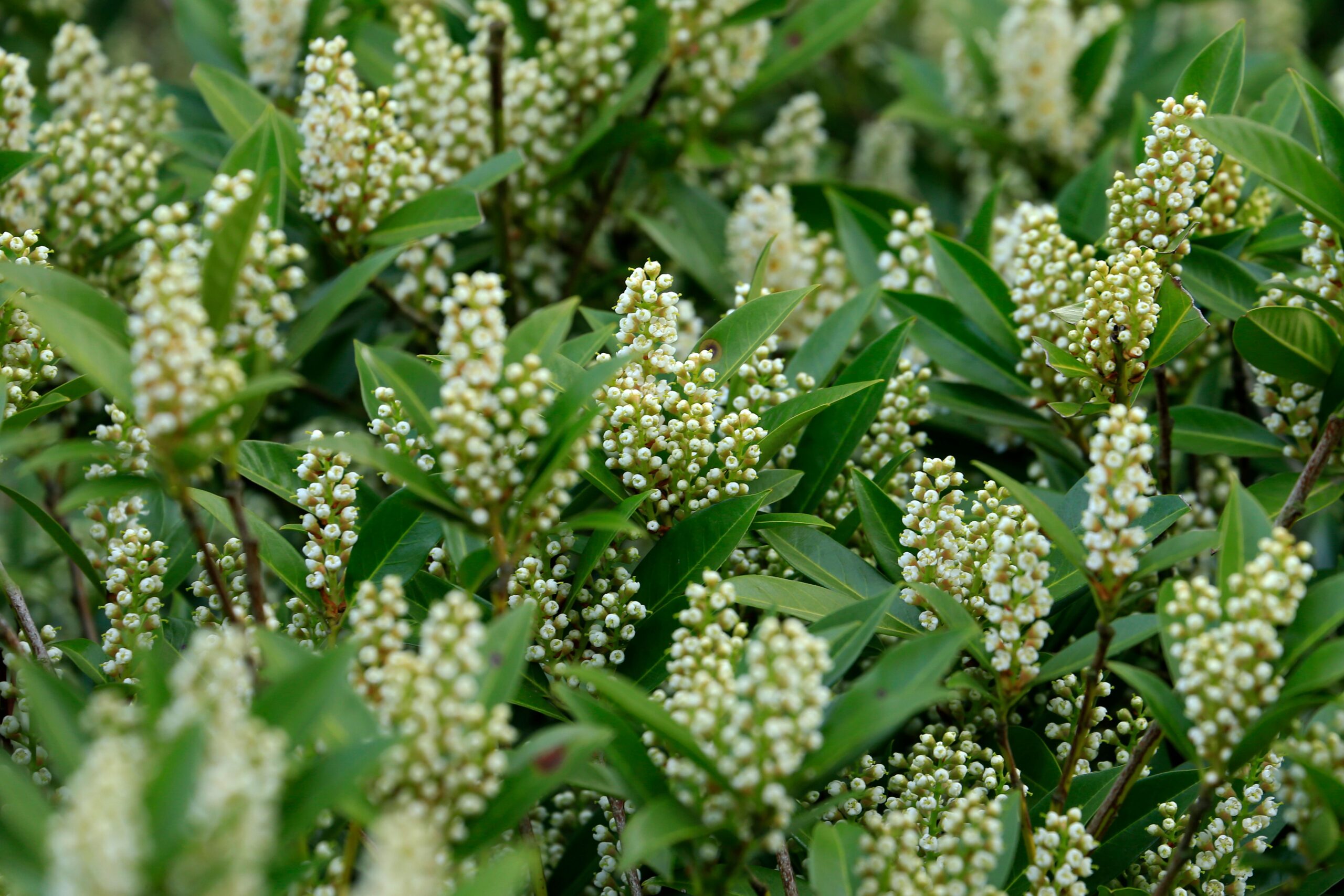
Skimmia confusa ‘Kew Green’
€30.00
Description
Quick Facts
– Botanical Name: Skimmia confusa ‘Kew Green’
– Common Name: Skimmia ‘Kew Green’
– Plant Type: Evergreen shrub
– Mature Height: 60–100cm
– Mature Spread: 60–100cm
– Flowering Period: March to April — flower buds held and ornamental from midwinter onwards
– Flower Colour: Creamy-white, produced in dense conical panicles — sweetly and powerfully fragrant
– Foliage Colour: Bright, fresh apple-green; glossy, aromatic when crushed
– Habit: Compact, dome-forming, neat and well-furnished
– Hardiness: Fully hardy
– Soil Requirements: Moist, well-drained, humus-rich; neutral to acidic preferred
– Aspect: Partial shade to full shade — tolerates deep shade exceptionally well
– Maintenance: Very low — virtually no pruning required
Description
Skimmia confusa ‘Kew Green’ is one of those quietly indispensable evergreen shrubs that earns its place in the garden every single month of the year. The bright, fresh apple-green foliage is glossy and aromatic, forming a neat, dense dome that looks well-groomed and considered without any effort on your part. From midwinter, creamy-white flower buds begin to form in dense conical clusters above the foliage — held as an ornamental feature through the coldest months before opening in early spring into intensely fragrant white flowers that fill the surrounding air with a rich, sweet scent.
‘Kew Green’ is a male form, which means it will not produce berries — but what it lacks in fruit it more than compensates for with the quality and fragrance of its flowers, and the exceptional freshness and brightness of its year-round foliage. It is one of the most reliable and beautiful evergreen shrubs for shade, and a plant that looks as good in February as it does in July.
Unfussy, fragrant, and genuinely beautiful in all seasons — ‘Kew Green’ is the evergreen that never lets the garden down.
Caragh Garden Notebook
Planting:
Plant in spring or autumn in moist, humus-rich, well-drained soil. ‘Kew Green’ is one of the most shade-tolerant shrubs available and will perform beautifully in partial or even full shade — making it an outstanding choice for north-facing borders, woodland gardens, and the difficult spots beneath trees where many other plants struggle. It prefers a neutral to slightly acidic soil; avoid shallow chalk or very alkaline conditions. Enrich the planting hole generously with leaf mould or well-rotted compost for the best establishment.
Watering:
Water well after planting and consistently through the first growing season. Once established, ‘Kew Green’ manages well with natural rainfall in most garden conditions, though it appreciates reliable moisture and dislikes prolonged drought. In containers, water regularly and never allow the compost to dry out completely — consistent moisture keeps the foliage at its freshest and most vibrant.
Feeding:
Apply an ericaceous fertiliser or a mulch of leaf mould and well-rotted compost in spring to maintain the slightly acidic, humus-rich conditions the plant prefers. Avoid lime-rich or general-purpose feeds, which can cause the bright green foliage to yellow over time.
Seasonal Care & Tidy-Up:
Almost none required. ‘Kew Green’ naturally maintains a neat, rounded dome without any intervention. Remove any dead or damaged stems in spring if needed, but resist the urge to prune or shape unnecessarily — this plant looks after itself beautifully and heavy pruning is rarely beneficial or necessary.
Pests & Problems:
Generally very healthy and trouble-free. Yellowing foliage is almost always a sign of soil that is too alkaline or too dry — address with ericaceous compost, an ericaceous feed, and consistent watering. Vine weevil can occasionally affect container-grown plants; check the compost if plants show signs of unexplained stress or wilting.
Design Notes:
‘Kew Green’ is one of the most versatile and hardworking evergreen shrubs for the shaded garden. Use it to bring year-round structure and fragrance to a north-facing border; plant beneath deciduous trees where the bright foliage provides a fresh, luminous note in the dappled light; or combine with other shade-loving plants such as Hellebores, Ferns, and Pachysandra for a richly layered, low-maintenance planting that looks considered and cared for in every season. In a container on a shaded terrace or doorstep, the winter flower buds and spring fragrance make it one of the most rewarding pots in the garden. For berry production, plant alongside a female Skimmia such as ‘Rubella’ or ‘Temptation’ — ‘Kew Green’ is an excellent pollinator and will encourage a generous crop of berries on any nearby female plant.
Propagation:
Take semi-hardwood cuttings in late summer and root in a gritty, moist compost mix in a cold frame or cool greenhouse.
Additional information
| Pot Size |
|---|
Related products
-
Pieris jap. Valley Rose
€20.00 Select options This product has multiple variants. The options may be chosen on the product page -
Photinia Red Robin – 1/2 Standards
Price range: €175.00 through €380.00 Select options This product has multiple variants. The options may be chosen on the product page -
Viburnum tinus Eve Price
Price range: €15.00 through €295.00 Select options This product has multiple variants. The options may be chosen on the product page -
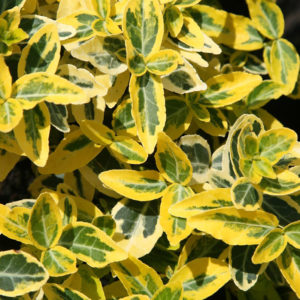
Euonymus Emerald ‘n’ Gold
€8.50 Select options This product has multiple variants. The options may be chosen on the product page