

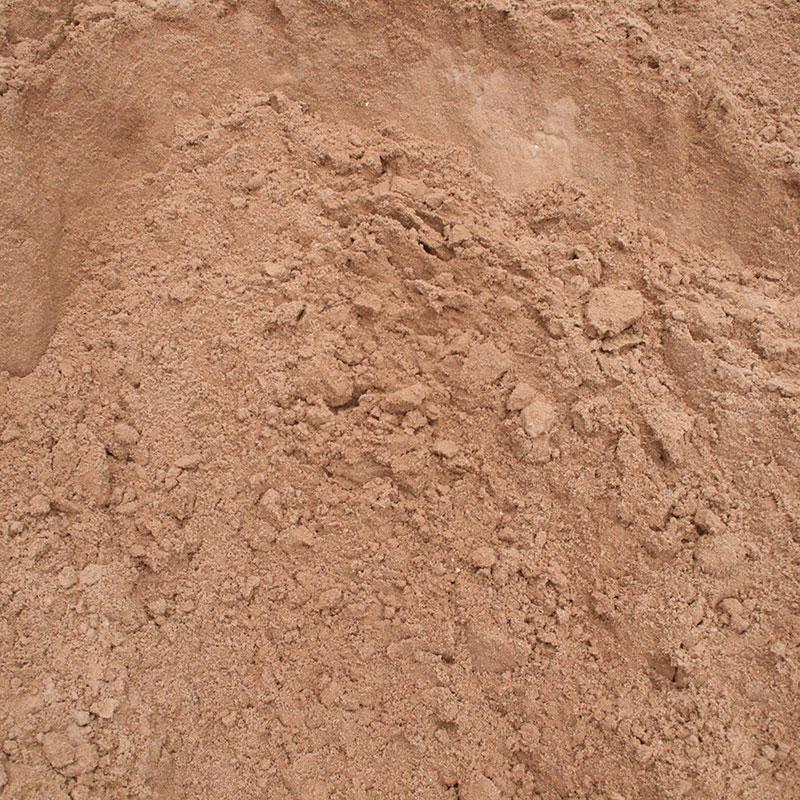
Sharp Sand – Bulk Bag
€75.00
Description
Quick Facts
– Type: Sharp Sand (Coarse / Grit Sand)
– Texture: Coarse, angular grain
– Key Uses: Concrete mixes, block paving bedding, drainage, jointing
– Not Suitable For: Plastering or rendering (use soft sand for these)
Description
Sharp sand is one of those products that turns up on almost every landscaping job. Coarser and more angular than soft building sand, it’s the right sand for work that needs strength, stability, and drainage — concrete mixes, bedding for block paving, drainage layers, and sand and cement bases for paving slabs.
The angular grain is what sets it apart. It locks together when compacted rather than shifting and settling, which is why it’s the preferred choice for any application that needs to hold its shape under load. Soft sand looks similar but behaves very differently — use the wrong one and you’ll know about it.
Clean, consistent, and easy to work with. If you’re mixing concrete or laying block paving, sharp sand is on the list.
Caragh Garden Notebook
For a standard concrete mix, combine sharp sand with cement and aggregate in a 2:1:3 ratio (sharp sand : cement : gravel). For a block paving bed, use a sharp sand and cement dry mix at 4:1 spread to a depth of 40–50mm and compact before laying. For drainage applications, sharp sand can be used on its own as a free-draining layer beneath paving or around drainage pipes. Always store bags off the ground and keep dry where possible to prevent premature setting of any cement content.
Did you know?
Caragh Nurseries now stocks everything you need for your landscaping project — from aggregates and sand to paving, fencing, and plants. One stop, sorted.
Additional information
| Size | 1 x Tonne bag |
|---|
Related products
-
Paving Sand
€4.95 Select options This product has multiple variants. The options may be chosen on the product page -
Post 10 concrete / Post Mix
€12.50 Select options This product has multiple variants. The options may be chosen on the product page -
Corrib Block Silver Granite 50mm Std
€43.00 Select options This product has multiple variants. The options may be chosen on the product page -
Kerb Block
€3.50 Select options This product has multiple variants. The options may be chosen on the product page