

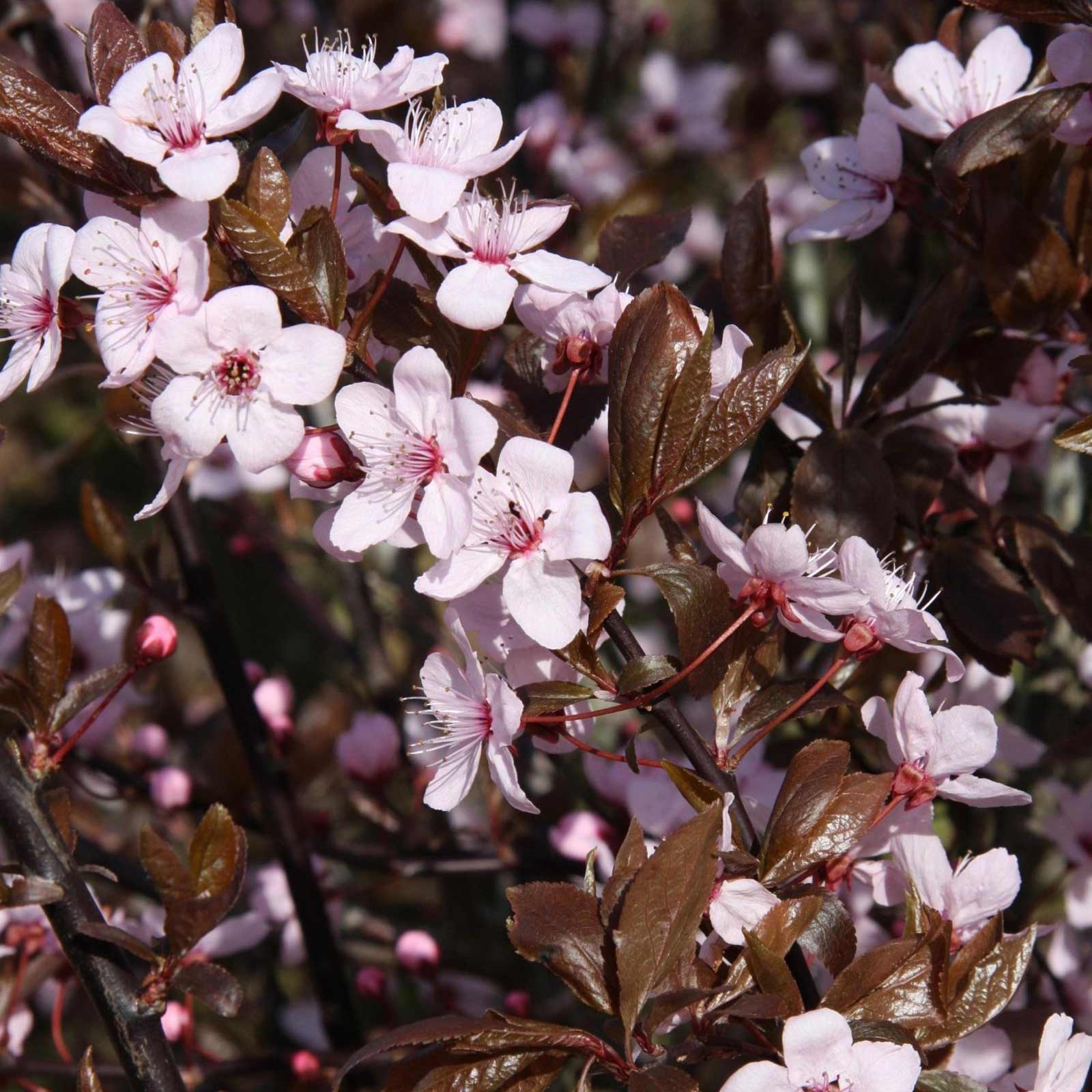
Prunus cerasifera Nigra / Purple Plum
Price range: €75.00 through €220.00
Frequently Bought Together
Description
Quick Facts
- Botanical Name: Prunus cerasifera ‘Nigra’
- Common Name: Purple-leaved Plum / Cherry Plum
- Plant Type: Deciduous flowering tree
- Habit: Upright to rounded crown; elegant, medium-sized garden tree
- Height (approx.): 4–7m
- Spread (approx.): 3–6m
- Foliage: Deep purple to burgundy leaves from spring through summer
- Flowering: Early spring (often March–April)
- Flower Colour: Soft pale pink blossoms, opening before or with the leaves
- Fruit: Small cherry-plums may follow (often sparse; can be messy if heavy)
- Position: Full sun (best leaf colour and flowering)
- Soil: Moisture-retentive but free-draining; adaptable once established
- Hardiness: Very hardy
- Best For: Feature tree, spring blossom, colour contrast, front gardens, avenues, wildlife-friendly planting
Description
If you want a tree that earns its place from the very first weeks of spring, Prunus cerasifera ‘Nigra’ is a classic.
It opens with a haze of soft pink blossom, then quickly settles into months of rich, purple-burgundy foliage — the kind of colour that makes everything around it look brighter and more intentional. It’s elegant without being fussy, and it gives you that rare combination of spring flowers and season-long leaf colour in one beautifully reliable tree.
Planted as a single specimen, it’s a ready-made focal point. Planted in a line, it becomes a statement.
Caragh Garden Notebook
Planting & position
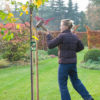
Full sun is best for the deepest leaf colour and the strongest flowering. Choose a spot with enough space for the crown to develop naturally, and avoid very tight corners where airflow is poor.
Full sun is best for the deepest leaf colour and the strongest flowering. Choose a spot with enough space for the crown to develop naturally, and avoid very tight corners where airflow is poor.
Soil
This is a fairly adaptable tree, but it does best in soil that holds some moisture while still draining freely. Improve very sandy soil with compost, and improve heavy soil with organic matter to prevent winter waterlogging.
This is a fairly adaptable tree, but it does best in soil that holds some moisture while still draining freely. Improve very sandy soil with compost, and improve heavy soil with organic matter to prevent winter waterlogging.
Watering
Water well in the first couple of seasons while it establishes. After that it’s resilient, but a deep watering during prolonged dry spells will keep it looking its best.
Water well in the first couple of seasons while it establishes. After that it’s resilient, but a deep watering during prolonged dry spells will keep it looking its best.
Feeding
Usually not necessary in decent garden soil. A spring mulch of compost is plenty.
Usually not necessary in decent garden soil. A spring mulch of compost is plenty.
Pruning
Minimal pruning is needed.
Minimal pruning is needed.
- Remove any dead, damaged, or crossing branches.
- If shaping is required, prune in summer (rather than winter) to reduce the risk of silver leaf disease, which can affect Prunus.
Pests & problems
Generally easy, but like many Prunus, it can occasionally get aphids or leaf spotting. Good airflow and a healthy, well-watered tree tends to cope well.
Generally easy, but like many Prunus, it can occasionally get aphids or leaf spotting. Good airflow and a healthy, well-watered tree tends to cope well.
Design notes
- Beautiful with spring bulbs beneath (snowdrops, crocus, narcissus, tulips)
- A stunning contrast with golden foliage shrubs and fresh green hedging
- Perfect for creating a “front garden tree” moment — blossom in spring, colour all summer
Related products
-
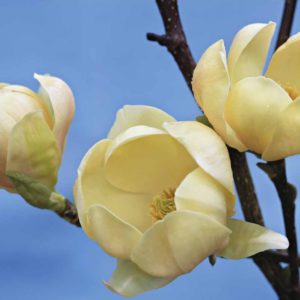
Magnolia Honey Tulip
€65.00 Select options This product has multiple variants. The options may be chosen on the product page -

Camellia japonica Rosso – 1/2 Standard
€550.00 Select options This product has multiple variants. The options may be chosen on the product page -

Camellia japonica ‘Mrs Charles Cobb’
€360.00 Select options This product has multiple variants. The options may be chosen on the product page -
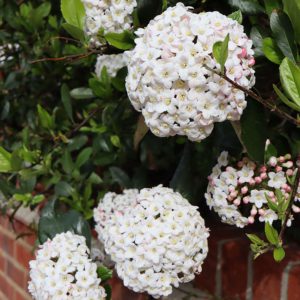
Viburnum tinus French White
€20.00 Select options This product has multiple variants. The options may be chosen on the product page