

Parrotia persica ‘Persian Spire’
€420.00
Frequently Bought Together



Description
Quick Facts
- Common Name: Persian Spire Ironwood, Persian Ironwood
- Botanical Name: Parrotia persica ‘Persian Spire’
- Plant Type: Deciduous ornamental tree
- Mature Height: 3–4m (columnar habit; ideal for smaller gardens and narrow spaces)
- Mature Spread: 1–1.5m
- Flowering Period: Late winter to early spring (February–March)
- Flower Colour: Clusters of small, deep red flowers on bare branches
- Foliage: Narrow, upright, dark green leaves with purple margins in spring, turning orange, yellow, and red in autumn
- Hardiness: RHS H6 (hardy throughout UK & Ireland)
- Soil Requirements: Moist, well-drained, moderately fertile; tolerates a range of soils but prefers slightly acidic
- Aspect: Full sun to partial shade
- Maintenance: Low
Description
Parrotia persica ‘Persian Spire’ is a stunning, upright selection of Persian ironwood, prized for its elegant columnar habit and dazzling seasonal changes. Perfect for smaller gardens, courtyards, or as a vertical accent in borders, ‘Persian Spire’ brings year-round interest and architectural grace without overwhelming its space.
In late winter to early spring, clusters of small, deep red flowers appear on bare branches—a subtle but charming prelude to the main show. As the leaves emerge, they are narrow and upright, dark green with striking purple margins that add depth and contrast. Through summer, the foliage remains fresh and glossy, forming a tidy, slender column. Come autumn, ‘Persian Spire’ truly shines, with foliage turning vibrant shades of orange, yellow, and red—often all at once—creating a fiery display that stands out even in the smallest garden.
With its neat, upright habit and excellent disease resistance, ‘Persian Spire’ is easy to grow and needs little maintenance. It’s ideal as a specimen tree, for flanking entrances, or for adding vertical structure to mixed borders and urban gardens. Its tolerance of a range of soils and conditions makes it a superb choice for contemporary and traditional designs alike.
Caragh Garden Notebook
Planting:
Space trees 1–1.5m apart if planting as a screen or avenue, or use singly as a specimen. Plant container-grown or bare-root trees in late autumn to early spring (November–March). Choose a sunny or lightly shaded, sheltered site with fertile, well-drained soil. Avoid waterlogged or extremely chalky ground. Dig a generous hole, incorporate well-rotted compost, and plant at the same depth as in the nursery. Firm soil, water well, and mulch to retain moisture.
Space trees 1–1.5m apart if planting as a screen or avenue, or use singly as a specimen. Plant container-grown or bare-root trees in late autumn to early spring (November–March). Choose a sunny or lightly shaded, sheltered site with fertile, well-drained soil. Avoid waterlogged or extremely chalky ground. Dig a generous hole, incorporate well-rotted compost, and plant at the same depth as in the nursery. Firm soil, water well, and mulch to retain moisture.
Soil Preparation:
Prefers slightly acidic to neutral, moist but well-drained soil. Will tolerate heavier clay if drainage is improved. Mulch annually with leaf mould or compost to feed the soil and conserve moisture.
Prefers slightly acidic to neutral, moist but well-drained soil. Will tolerate heavier clay if drainage is improved. Mulch annually with leaf mould or compost to feed the soil and conserve moisture.
Pruning & Care:
Minimal pruning is needed—remove any dead, damaged, or crossing branches in late winter or early spring. The natural columnar habit needs little shaping. Water during prolonged dry spells, especially in the first year.
Minimal pruning is needed—remove any dead, damaged, or crossing branches in late winter or early spring. The natural columnar habit needs little shaping. Water during prolonged dry spells, especially in the first year.
Pests & Problems:
Generally trouble-free and disease resistant. Good hygiene and regular checks help keep trees healthy.
Generally trouble-free and disease resistant. Good hygiene and regular checks help keep trees healthy.
Design Notes:
Perfect for narrow spaces, small gardens, or as a vertical accent in borders and modern landscapes. Combine with ornamental grasses, spring bulbs, and low perennials for a layered effect. Also striking in pairs to frame a path or entrance.
Perfect for narrow spaces, small gardens, or as a vertical accent in borders and modern landscapes. Combine with ornamental grasses, spring bulbs, and low perennials for a layered effect. Also striking in pairs to frame a path or entrance.
Related products
-
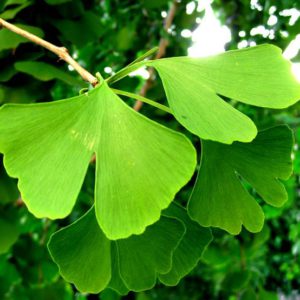
Ginkgo biloba
Price range: €220.00 through €2,200.00 Select options This product has multiple variants. The options may be chosen on the product page -

Quercus suber / Cork Oak
€2,200.00 Select options This product has multiple variants. The options may be chosen on the product page -
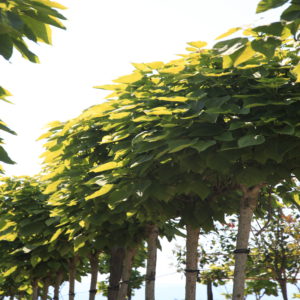
Catalpa biganoides Aurea Standard
€660.00 Select options This product has multiple variants. The options may be chosen on the product page -
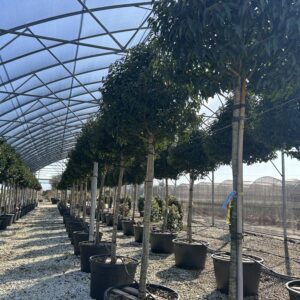
Prunus lusitanica Standard
Price range: €525.00 through €1,600.00 Select options This product has multiple variants. The options may be chosen on the product page