

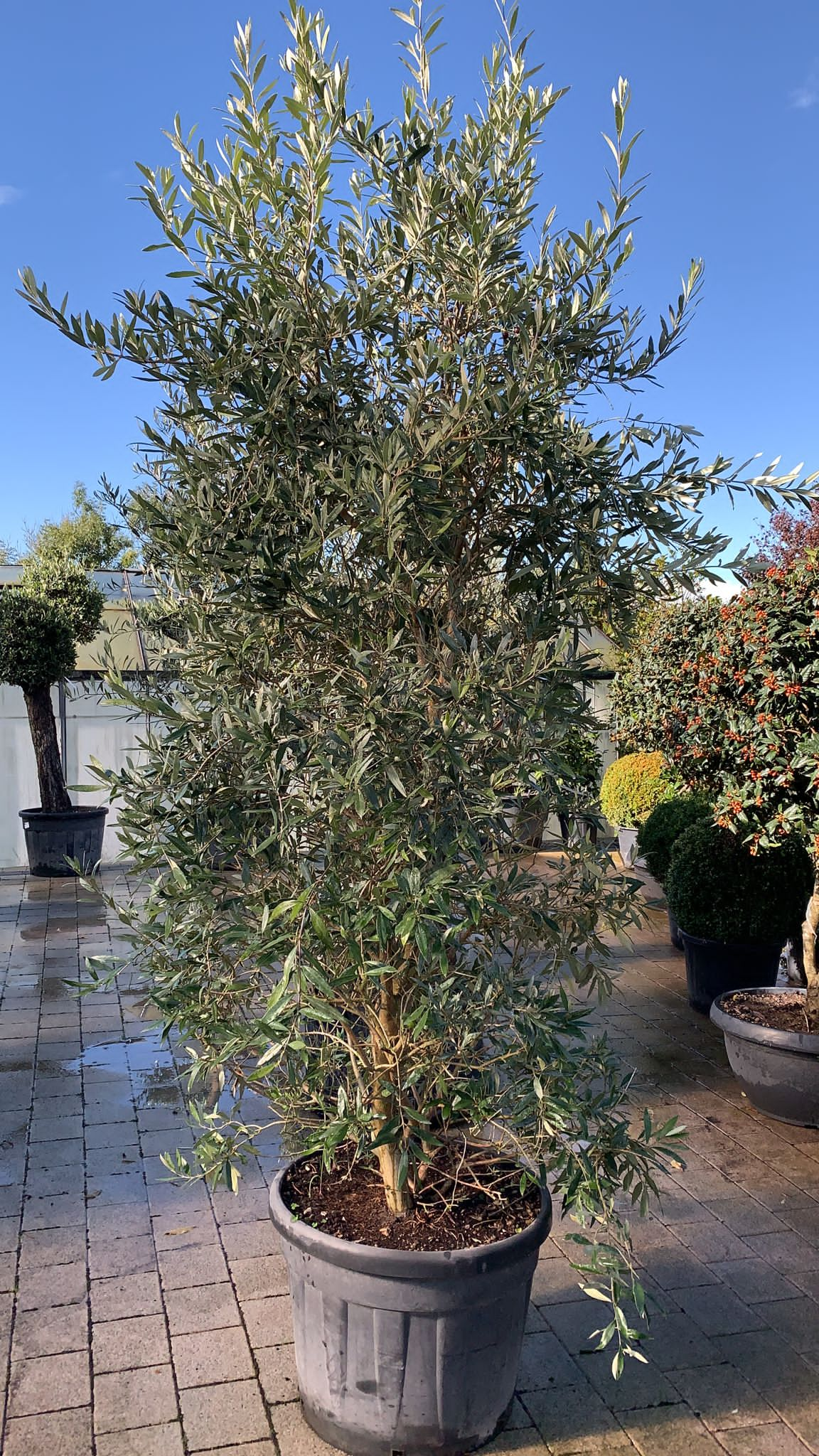
Olea Europaea / Olive natural conical shape
Price range: €320.00 through €400.00
Frequently Bought Together

Description
There is a tree that has stood at the centre of human life for more than six thousand years — in the gardens of ancient Rome, the hillsides of Tuscany, the sun-bleached terraces of Greece and Spain. The olive tree. And when you stand before one, even here in Ireland, something of all that history travels with it.
Grown in its natural conical form — unclipped, unhurried, exactly as it would grow on a warm Mediterranean hillside — this Olea europaea carries an effortless, living grace that no amount of topiary work could improve upon. The slender, silver-grey leaves catch the light constantly, shifting from green to silver to almost white as a breeze moves through them, creating a gentle, perpetual shimmer that is unlike anything else in the garden. In summer, small creamy-white flowers appear, followed by the familiar green fruits that deepen slowly to black — a reminder that this is, first and foremost, a fruit tree, thousands of years in the making.
Long-lived, architectural, and extraordinarily beautiful, the olive is one of the most rewarding trees we grow. Plant one now, and your garden has a story that will outlast all of us.
Quick Facts:
Common Name: Olive Tree
Botanical Name: Olea europaea
Type: Evergreen tree
Form: Natural conical — unclipped, informal
Foliage: Narrow, silvery grey-green — highly reflective in light
Flowers: Small, creamy-white — summer
Fruit: Green ripening to black olives — in warm, sheltered positions
Growth Rate: Slow to moderate
Sun: Full sun — essential
Soil: Well-drained; tolerates poor, dry soils exceptionally well
Hardiness: RHS H4 (hardy to approximately -10°C)
Drought Tolerant: Yes — once established
Best For: Containers, Mediterranean gardens, courtyard planting, architectural focal points
Caragh Garden Notebook
Planting: Choose the sunniest, most sheltered position available — olive trees demand full sun and will not perform well in shade or exposed, wind-swept sites. In Ireland and the UK, a south or west-facing wall provides ideal reflected warmth and shelter. Plant in free-draining soil, incorporating grit if your soil is heavy or prone to waterlogging. Olive trees are exceptionally tolerant of poor, dry soils once established — but they will not tolerate sitting in cold, wet ground through winter.
Containers: The olive is one of the finest trees for container growing — its slow growth rate, drought tolerance, and architectural character make it a natural fit for a large, well-draining pot. Use a loam-based compost mixed with additional grit for drainage, and ensure the pot has generous drainage holes. Containers allow you to move the tree to a more sheltered position during prolonged hard frost.
Watering: Water regularly through the first growing season to encourage establishment, then reduce as the tree settles in. Once established, olive trees are remarkably drought-tolerant — in the ground they will largely look after themselves through dry periods. In containers, check soil moisture regularly in summer and water when the top few centimetres are dry.
Feeding: Apply a balanced, slow-release fertiliser in spring. Container-grown olives benefit from a liquid feed through the growing season — a high-potassium feed from midsummer encourages fruiting in warmer years.
Pruning: The natural conical form requires minimal intervention. Remove any dead, crossing, or overcrowded branches in late spring once the risk of frost has passed. Avoid heavy pruning — the olive’s character lives in its natural structure, and the gnarled, characterful branching that develops over time is one of its greatest assets.
Fruiting: In a warm, sheltered position — particularly against a south-facing wall — olive trees can fruit in Ireland and the UK. The fruit is not suitable for eating straight from the tree and requires curing, but the sight of developing olives on a tree growing in your own garden is a particular pleasure. Two trees planted near each other will improve pollination and fruiting.
Winter Care: Established olive trees in the ground will tolerate temperatures down to approximately -10°C, particularly in free-draining soil. In containers, move to a sheltered spot — a cool greenhouse, unheated porch, or against a warm wall — during prolonged hard frosts. A fleece wrap around the pot will protect the roots during the coldest spells.
Styling Notes: The natural conical olive is one of the most versatile specimen trees in our range. Its silvery foliage lifts any planting scheme — beautiful against dark stone, warm terracotta, and rendered white walls alike. In a Mediterranean-inspired garden, underplant with lavender, Rosmarinus, Cistus, and ornamental grasses for a scheme that looks as though it belongs somewhere warmer and slower. For a contemporary setting, a pair flanking an entrance in the Napoli IronOre pots creates an arrival of quiet, timeless elegance. Combine with the Alibaba or Atlantis Agra pots for a natural, characterful outdoor space rooted in the ancient world.
Additional information
| Pot Size |
|---|
Related products
-
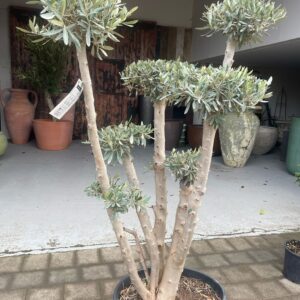
Olea europaea / Olive Multiball
€650.00 Select options This product has multiple variants. The options may be chosen on the product page -
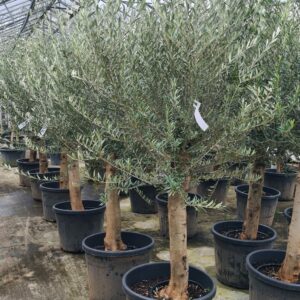
Olea Europaea / Olive Trees – 30-40cm girth
€500.00 Select options This product has multiple variants. The options may be chosen on the product page -
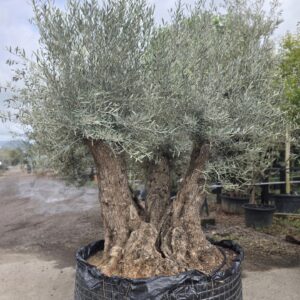
Olea europaea / Mature Gnarled Olive Tree — Multi-Stem (3-Stem Specimen)
€3,500.00 Select options This product has multiple variants. The options may be chosen on the product page -
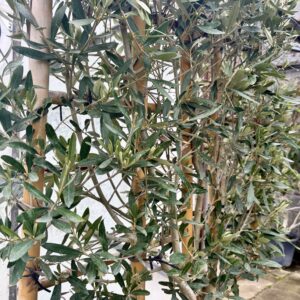
Olive / Olea europaea 1/2 Standard Espalier
Price range: €420.00 through €450.00 Select options This product has multiple variants. The options may be chosen on the product page