
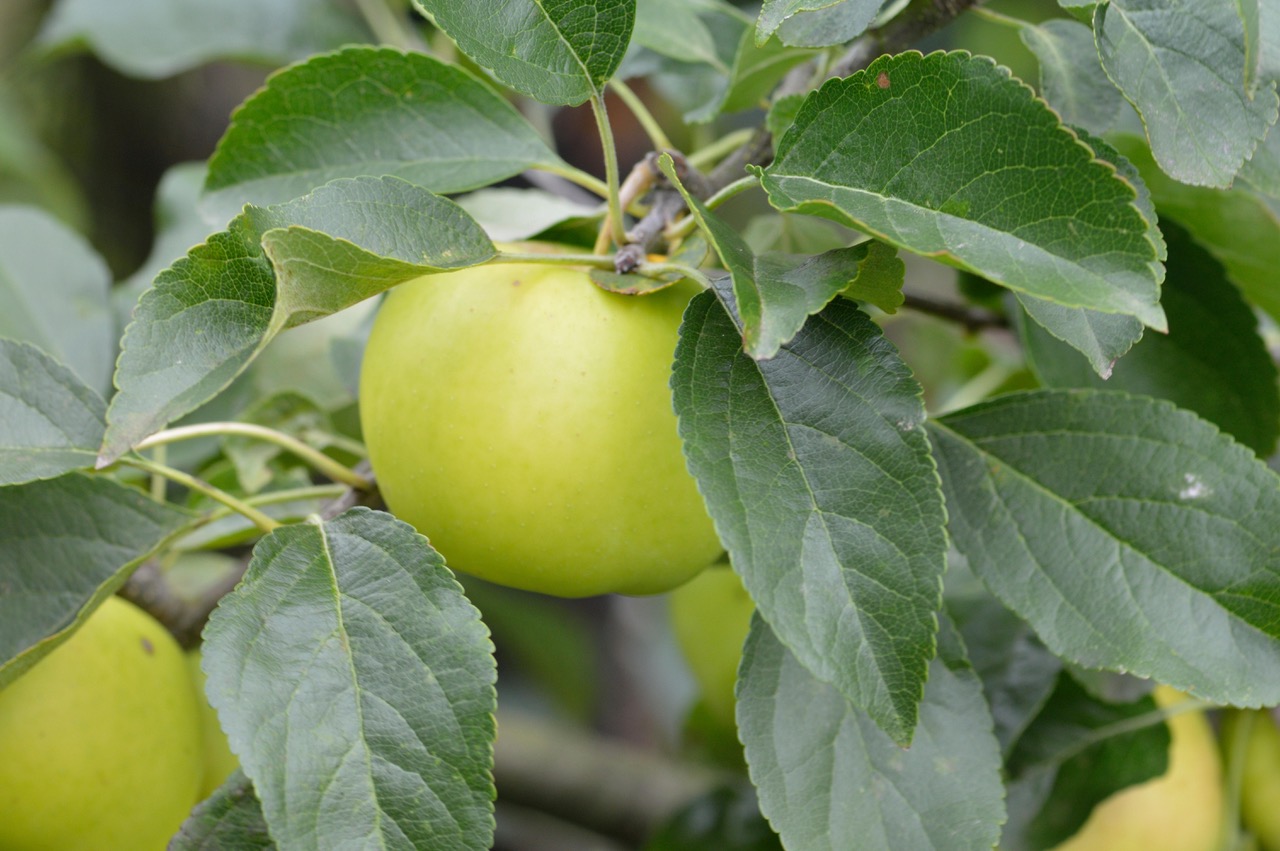
Malus domestica ‘greensleeves’ Candelabra Shape
€795.00
Frequently Bought Together


Description
Quick Facts
- Common Name: Greensleeves Apple, Double U Espalier Apple
- Botanical Name: Malus domestica ‘Greensleeves’
- Form: Double U-shaped espalier (trained fruit tree)
- Plant Type: Deciduous fruit tree
- Mature Height: 1.8–2.5m (trained)
- Mature Spread: 1.2–2m (trained)
- Flowering Period: April to May
- Flower Colour: White to pale pink
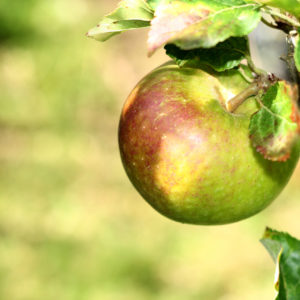
- Fruit: Crisp, juicy green apples with a slight blush; harvest late August–early September
- Foliage: Mid-green, turning yellow in autumn
- Hardiness: RHS H6 (hardy throughout UK & Ireland)
- Soil Requirements: Moist, well-drained, moderately fertile
- Aspect: Full sun
- Maintenance: Moderate (requires annual pruning)
Description
Experience the elegance and productivity of Malus domestica ‘Greensleeves’ in a Double U espalier form—one of the most beautifully trained apple trees for gardens, where crisp, juicy green apples, abundant spring blossom, and architectural structure combine to create a living sculpture that brings months of visual delight and delicious harvests. This exceptional tree offers a unique double U shape, expertly trained for both ornamental impact and practical fruit production—perfect for walls, fences, or as a free-standing feature in smaller gardens.
The ‘Greensleeves’ apple is renowned for its reliability, disease resistance, and superb flavour. In spring, a profusion of white to pale pink blossoms covers the horizontal arms, attracting pollinators and signalling the promise of fruit to come. Through summer, lush green foliage forms a neat framework, giving way to clusters of medium-sized, crisp green apples with a delicate blush—ideal for eating fresh or using in desserts. The double U espalier form is both space-saving and striking, providing structure, privacy, and year-round interest.
Espaliered apples have a rich tradition in European gardens, prized for their beauty and efficiency. The double U form maximises fruiting spurs and sunlight exposure, making it a favourite for productive walled gardens and stylish contemporary spaces alike. ‘Greensleeves’ is a modern British variety, celebrated for its clean, refreshing flavour and reliable cropping—a superb choice for Irish gardens.
Combine with other espaliered or pleached fruit trees for a formal edible border, or underplant with spring bulbs and low-growing herbs for a classic potager look. The crisp green fruit and sculptural form make this tree a standout in both traditional and modern settings.
Caragh Garden Notebook
Planting:
- Space trees 1.2–2m apart along walls or fences for best effect.
- Plant bare-root or container-grown trees in late autumn to early spring (November–March).
- Choose a sunny, sheltered site with fertile, well-drained soil. Avoid frost pockets and waterlogged areas.
- Dig a generous hole, incorporate well-rotted compost, and plant at the same depth as in the nursery.
- Firm soil, water well, and mulch to retain moisture.
Soil Preparation:
- Prefers moderately fertile, moist but well-drained soil; pH 6.0–7.0 ideal.
- Improve poor soils with compost or well-rotted manure before planting.
Espalier Care & Pruning:
- Tie new shoots to horizontal wires or supports to maintain the double U shape.
- Prune annually in late summer to restrict growth and encourage fruiting spurs.
- Remove unwanted vertical shoots and thin congested branches for airflow.
- Check ties regularly and adjust as the tree grows.
Pollination:
- ‘Greensleeves’ is partially self-fertile but crops best with another apple variety (pollination group 3) nearby—consider ‘Discovery’, ‘James Grieve’, or ‘Elstar’ for reliable fruit set.
Harvesting:
- Pick fruit in late August to early September when apples are firm and detach easily.
- Store in a cool, dry place for several weeks if required.
Pests & Problems:
- Generally disease resistant but watch for aphids, codling moth, and apple scab.
- Encourage beneficial insects and practice good hygiene for healthy trees.
Division/Propagation:
- Not typically divided; propagate by grafting in winter for more trained trees.
This living sculpture is perfect for small gardens, walled courtyards, or anywhere you want beauty and bounty in one! The double U form offers structure, privacy, and reliable crops of crisp, juicy apples with minimal space—ideal for Irish and UK gardens.
Related products
-
Malus domestica ‘Ellison’s Orange’
Read more -
Malus domestica Espalier
€1,350.00 Select options This product has multiple variants. The options may be chosen on the product page -
Malus Cox’s Orange Pippin / Fruiting Apple tree
Price range: €30.00 through €450.00 Select options This product has multiple variants. The options may be chosen on the product page -
Malus domestica ‘suntan’
Read more