

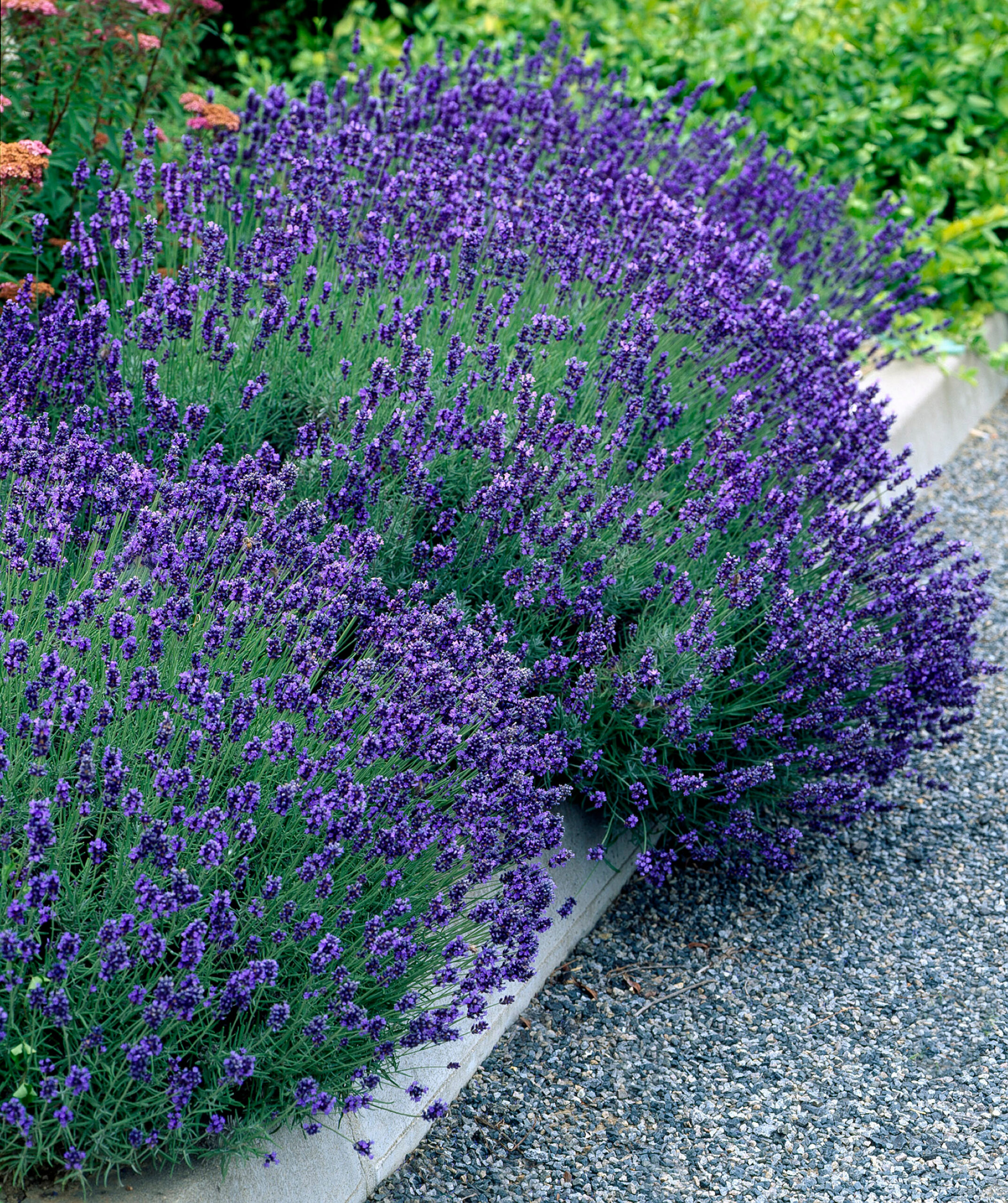
Lavender angustifolia Hidcote
Price range: €8.50 through €20.00
Frequently Bought Together

Description
Quick Facts
Botanical Name: Lavandula angustifolia ‘Hidcote’
Common Name: English Lavender ‘Hidcote’
Plant Type: Evergreen shrub
Position: Full sun
Soil: Very well-drained soil (poor to moderately fertile is perfect)
Ultimate Height/Spread: Approx. 45–60cm x 45–60cm
Growth Rate: Moderate
Foliage: Silvery-grey, aromatic evergreen leaves
Flowering: Deep purple flower spikes in summer; loved by bees and butterflies
Hardiness: Hardy in Ireland & the UK
Common Name: English Lavender ‘Hidcote’
Plant Type: Evergreen shrub
Position: Full sun
Soil: Very well-drained soil (poor to moderately fertile is perfect)
Ultimate Height/Spread: Approx. 45–60cm x 45–60cm
Growth Rate: Moderate
Foliage: Silvery-grey, aromatic evergreen leaves
Flowering: Deep purple flower spikes in summer; loved by bees and butterflies
Hardiness: Hardy in Ireland & the UK
The classic lavender for neat borders and big summer scent
‘Hidcote’ is a true garden favourite — compact, tidy, and wonderfully fragrant. From early to mid-summer it produces rich purple flower spikes that look beautiful in borders, along paths, or clipped into low hedging. Brush past it on a warm day and you’ll get that instant, calming lavender scent that makes a garden feel like a holiday at home.
It’s also one of the best lavenders for structure: it keeps a lovely shape, pairs effortlessly with roses and grasses, and gives you that soft silver foliage year-round.
Where it thrives best
Lavender needs sun and drainage — the brighter the spot, the better it will flower. It’s happiest in free-draining soil and doesn’t enjoy heavy, wet ground in winter. If your soil is clay, planting on a slight mound or improving drainage with grit can make all the difference.
Styling ideas
- Perfect for edging paths, driveways and raised beds
- Beautiful with roses, salvias, nepeta and ornamental grasses
- Ideal for pots by doors and patios (choose a gritty compost and don’t overwater)
Caragh Garden Notebook
- Watering: Water regularly while establishing; once settled, lavender is drought tolerant. Avoid overwatering.
- Pruning: Trim lightly after flowering, and give a harder prune in early spring to keep it compact (don’t cut into old woody stems).
- Feeding: Minimal feeding needed — too much fertiliser can reduce flowering and fragrance.
- Top tip: Good airflow helps prevent problems — don’t crowd plants, especially in heavier soils.
Additional information
| Pot Size | 10L 30-40cm, 2L, 2L delux pot, 2L Deluxe, 3L, 4L, 5L, 6L extra large |
|---|
Related products
-
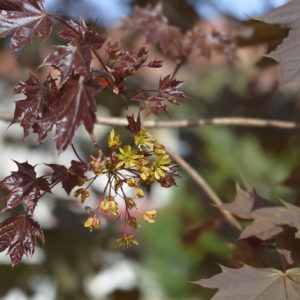
Acer Crimson King / Red Norway Maple
Price range: €350.00 through €950.00 Select options This product has multiple variants. The options may be chosen on the product page -
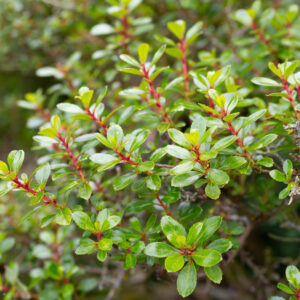
Escallonia ‘red dream’
€25.00 Select options This product has multiple variants. The options may be chosen on the product page -
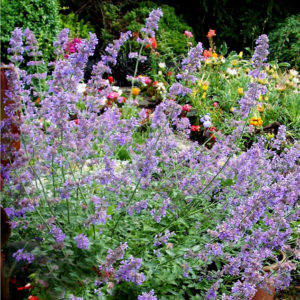
Nepeta Six Hills Giant
€8.50 Select options This product has multiple variants. The options may be chosen on the product page -
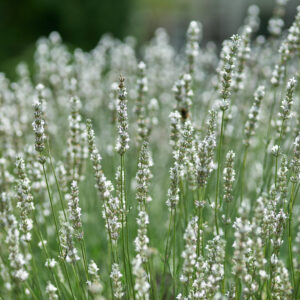
Lavandula angustifolia ‘Alba’ (White English Lavender)
€12.50 Select options This product has multiple variants. The options may be chosen on the product page