

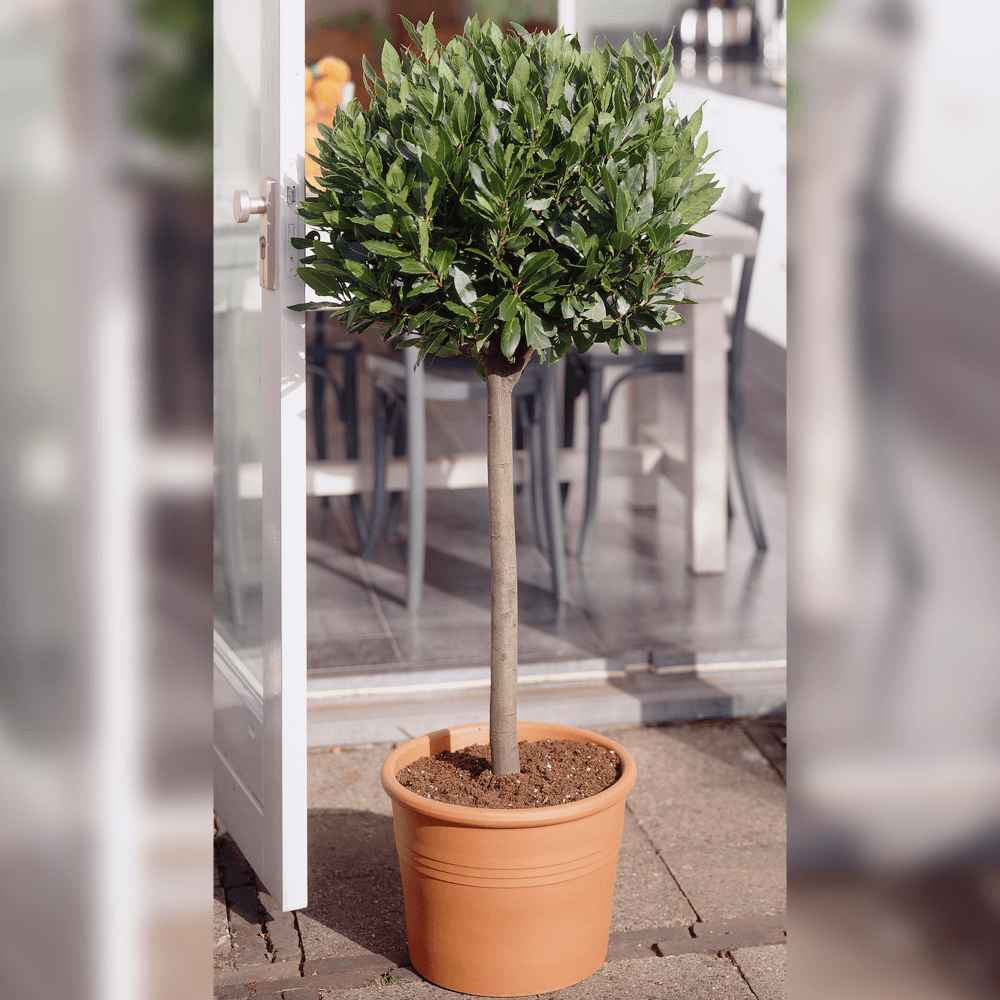
Laurus nobilis / Bay Laurel 1/4 Standard
€95.00
Frequently Bought Together

Description
Botanical Name: Laurus nobilis
Common Name: Bay Tree / Bay Laurel
Plant Type: Evergreen tree (quarter standard)
Form: Quarter standard with a 50cm clear stem
Position: Full sun to partial shade; sheltered from cold, drying winds
Soil: Moist, well-drained soil (tolerant once established)
Ultimate Height/Spread: easily maintained to size in pots and borders
Growth Rate: Slow to moderate
Foliage: Glossy, deep green, aromatic evergreen leaves
Hardiness: Hardy in mild areas; protect in severe frost, especially in pots
Common Name: Bay Tree / Bay Laurel
Plant Type: Evergreen tree (quarter standard)
Form: Quarter standard with a 50cm clear stem
Position: Full sun to partial shade; sheltered from cold, drying winds
Soil: Moist, well-drained soil (tolerant once established)
Ultimate Height/Spread: easily maintained to size in pots and borders
Growth Rate: Slow to moderate
Foliage: Glossy, deep green, aromatic evergreen leaves
Hardiness: Hardy in mild areas; protect in severe frost, especially in pots
A timeless evergreen for pots, doorways and structure
A quarter standard bay instantly brings that smart, finished look to an entrance, patio, or terrace. With its neat 50cm clear stem and dense evergreen head, Laurus nobilis gives year-round structure — and the bonus is you can pick a few leaves for cooking whenever you need them.
It’s a brilliant choice if you want something that feels classic and architectural without being fussy: symmetrical either side of a doorway, lining a path, or as a strong evergreen anchor in a mixed planting scheme.
Where it thrives best
Bay is happiest in a sheltered spot with decent drainage. It will cope with sun or partial shade, but avoid very exposed positions where cold winds can scorch foliage. In pots, consistent watering is key — not too wet, not bone dry.
Styling ideas
- Pair as matching standards either side of doors, gates or steps
- Use in large pots with underplanting of trailing ivy, violas or seasonal bulbs
- Looks gorgeous in Mediterranean-style schemes with olives, lavender and rosemary
Caragh Garden Notebook
- Watering: Water regularly while establishing; in pots, check more often in summer. Reduce watering in winter.
- Feeding: A light feed in spring helps keep foliage lush, especially in containers.
- Pruning: Trim in late spring/summer to maintain a crisp shape (bay responds really well to clipping).
- Winter care: In colder areas, move pots to a sheltered spot or wrap the container to protect roots during hard frosts.
- Top tip: Don’t panic if you see a few marked leaves after winter — a tidy-up in spring and it will bounce back.
Additional information
| Pot Size | 10L 1/4 standard, 30cm head, 10L 1/4 Std with 35-40cm head, 18L 1/4 Standard, 35-40cm head, 35L stem 60cm with 50-60cm round head, 5L 1/4 Standard |
|---|
Related products
-

Photinia serr. ‘Corallo’ 1/4 Standard
€85.00 Select options This product has multiple variants. The options may be chosen on the product page -
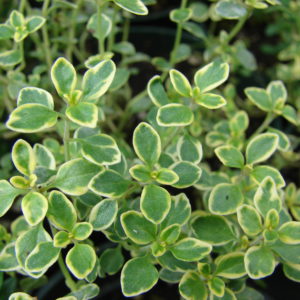
Thymus citriodorus Aureus
Price range: €8.50 through €12.50 Select options This product has multiple variants. The options may be chosen on the product page -
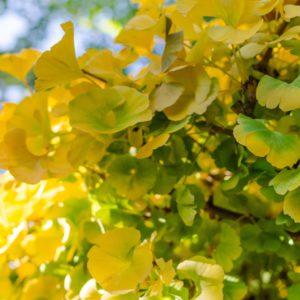
Ginkgo biloba ‘Mariken’ 1/4 Standard
€95.00 Select options This product has multiple variants. The options may be chosen on the product page -
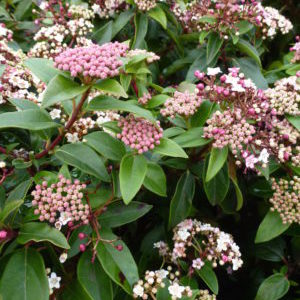
Viburnum tinus Eve Price – 1/4 Standard Tree
Price range: €50.00 through €110.00 Select options This product has multiple variants. The options may be chosen on the product page