
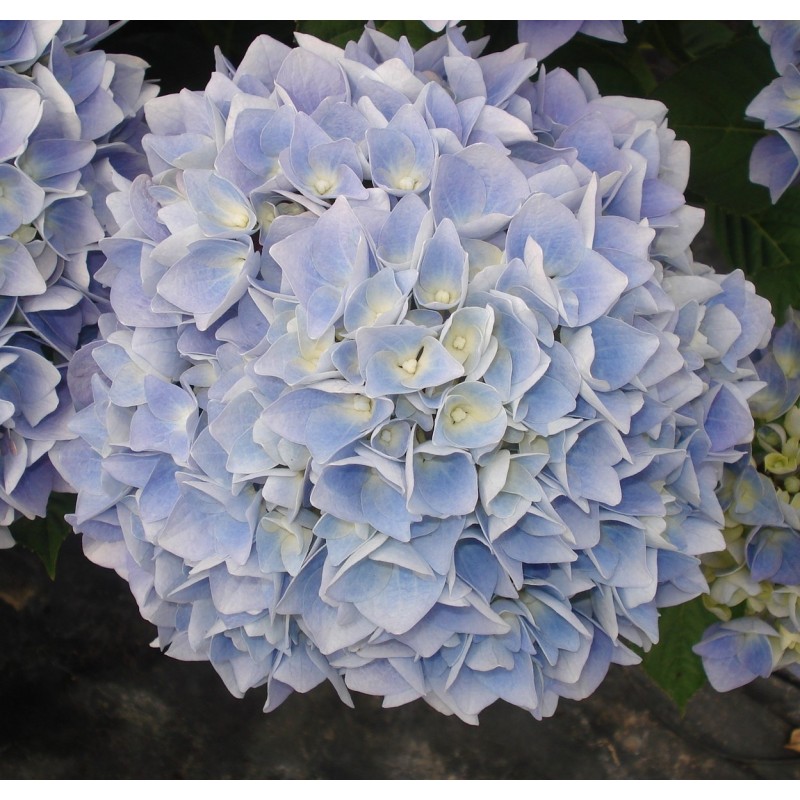
Hydrangea macrophylla Ankong® Blue
€25.00
Frequently Bought Together
Description
Quick Facts
Botanical Name: Hydrangea macrophylla Ankong® Blue
Common Name: Blue Mophead Hydrangea
Plant Type: Hardy deciduous shrub
Mature Height: Up to 1m
Mature Spread: Up to 1m
Flowering Period: July to September
Flower Colour: Light blue, fading to soft pale yellow towards the end of summer
Foliage Colour: Mid-green, deciduous
Hardiness: Hardy in Ireland & the UK
Soil Requirements: Moist, free-draining; ericaceous compost recommended to maintain blue colouring
Aspect: Partial sun to part shade
Maintenance: Low to moderate
Description
Ankong® Blue is a compact, free-flowering mophead hydrangea that delivers one of the most sought-after colours in the summer garden — a clear, generous light blue that holds from July right through to September. As summer draws to a close, the flowers begin a gentle, gradual fade to pale yellow, giving the shrub a quieter, golden second act that extends its interest well into autumn. It’s a plant that changes its mood as the season moves on, and is worth looking at at every stage.
At a mature 1m in both height and spread, it’s well proportioned for mixed borders, sheltered corners, and large containers — enough presence to make an impact, compact enough never to overwhelm. Easy to grow when the right conditions are met, and deeply rewarding when they are.
Caragh Garden Notebook
Planting:
Plant in spring or autumn into moist, free-draining soil enriched with ericaceous compost — this is essential for maintaining the blue flower colour. In alkaline or neutral soils, flowers will shift towards pink or mauve; if blue is the goal, the compost is non-negotiable. Containers are ideal for full control over the growing medium. Water in thoroughly after planting and mulch around the base to retain moisture.
Watering:
Hydrangeas love a generous drink but must never sit in waterlogged soil. Water regularly through the first season and during dry spells thereafter — free-draining conditions are essential. In containers, check moisture levels frequently during summer; they can dry out quickly in warm weather. Wilting leaves on a warm afternoon are usually a thirst signal rather than a problem.
Feeding:
Feed throughout the growing season with an ericaceous plant food to encourage strong flowering and hold the blue colour. In the ground, a spring mulch of composted bark or leafmould alongside the liquid feed works well. In containers, begin feeding as new growth emerges in spring and continue monthly through to the end of flowering.
Seasonal Care & Tidy-Up:
Hydrangea macrophylla flowers on the previous year’s wood — so unlike arborescens varieties, avoid cutting back hard. In spring, remove spent flower heads back to the first strong pair of buds, and tidy out any dead or weak stems from the base. The old flower heads can be left on through winter to offer some frost protection to the buds below — remove them in March or April when growth begins to show.
Pests & Problems:
Generally trouble-free. Vine weevil can be an occasional issue in containers — treat preventatively with a biological control if you’ve had problems before. In very exposed positions, late spring frosts can damage emerging buds and reduce flowering for that season; a sheltered spot or temporary fleece protection during a sharp frost will guard against this.
Design Notes:
The light blue of Ankong® works beautifully alongside white and silver-leaved companions — white astrantias, silvery hostas, or the cream-margined foliage of a variegated sedge. It’s equally striking as a single focal point in a sheltered border or repeated in a loose group of three for a more generous sweep of colour. Particularly effective in shaded or semi-shaded corners where summer colour can be hard to come by. For drying, cut stems as the flowers begin to fade to pale yellow and hang upside down in a cool, airy space — they’ll hold beautifully for months indoors.
Additional information
| Pot Size |
|---|
Related products
-

Hydrangea macrophylla Firewings
€25.00 Select options This product has multiple variants. The options may be chosen on the product page -
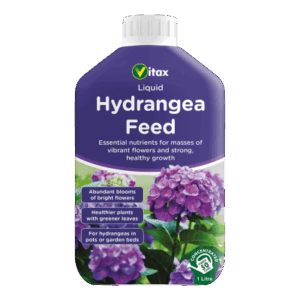
Hydrangea Feed
€12.50 Select options This product has multiple variants. The options may be chosen on the product page -

Hydrangea arb. Magical® Dark Pink ‘Bokodapi’
€30.00 Select options This product has multiple variants. The options may be chosen on the product page -

Ericaceous Compost
€10.50 Select options This product has multiple variants. The options may be chosen on the product page