


Hosta fortunei ‘Albopicta’ — Plantain Lily
€9.50
Frequently Bought Together


Description
Quick Facts
– Botanical Name: Hosta fortunei var. albopicta
– Common Name: Plantain Lily
– Plant Type: Deciduous hardy perennial
– Mature Height: 40–50cm (foliage); flower stems to 70cm
– Mature Spread: 60–75cm
– Foliage Colour: Pale yellow-cream centres with green margins in spring; fades to soft green by midsummer
– Flowering Period: Midsummer (July)
– Flower Colour: Pale lavender
– Aspect: Partial shade to full shade
– Soil: Moist, humus-rich, well-drained
– Hardiness: Fully hardy (H7)
– Maintenance: Low
Description
Hosta fortunei ‘Albopicta’ puts on its best show in spring. As the leaves unfurl, each one arrives with a pale cream and yellow centre set against green margins — a two-tone effect that catches the eye in even the shadiest corner of the garden. Through the season the colours gradually blend to a softer, more uniform green, so the plant earns its place long after the spring display has passed.
Midsummer brings tall stems of pale lavender flowers above the foliage — a quiet, elegant addition to the overall picture. It’s a well-mannered plant that builds steadily into a generous clump over time, never troublesome, always reliable.
A solid choice for shaded borders, woodland schemes, or containers where you want structure, texture, and seasonal interest without the fuss.
Caragh Garden Notebook
Planting: Plant in spring or autumn into moist, humus-rich soil. Enrich the planting area with leaf mould or garden compost. In containers, use a quality peat-free compost with good moisture retention.
Position: Partial to full shade is ideal. Morning sun is tolerated but avoid hot afternoon sun, which will scorch the foliage and cause the pale spring colours to bleach out prematurely.
Watering: Keep consistently moist, especially through dry spells. Hostas in containers will need more regular watering than those in the ground.
Feeding: Top-dress with compost in spring. In containers, apply a balanced slow-release feed at the start of the growing season.
Slugs & Snails: Hostas are a known target — protect young growth in spring with slug pellets, copper tape around pots, or by applying a grit mulch around the base of plants in the ground.
Seasonal Care: Foliage will die back in autumn. Cut back old leaves once they’ve yellowed and mulch around the crown to protect through winter. Divide established clumps every 3–4 years in early spring to keep plants vigorous.
Design Notes: Pairs beautifully with ferns, astilbes, and Hakonechloa in shaded borders. The pale spring foliage creates a striking contrast alongside darker-leaved hostas or deep green ferns. Use at the front of a border where the spring colour can be appreciated up close.
Related products
-

Lupinus Chandelier
€8.50 Select options This product has multiple variants. The options may be chosen on the product page -
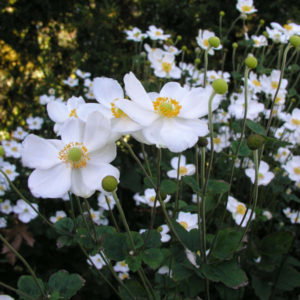
Anemone Honorine Jobert
€8.50 Select options This product has multiple variants. The options may be chosen on the product page -

Heuchera Marmalade
€12.50 Select options This product has multiple variants. The options may be chosen on the product page -

Perovskia Blue Spire
€8.50 Select options This product has multiple variants. The options may be chosen on the product page