

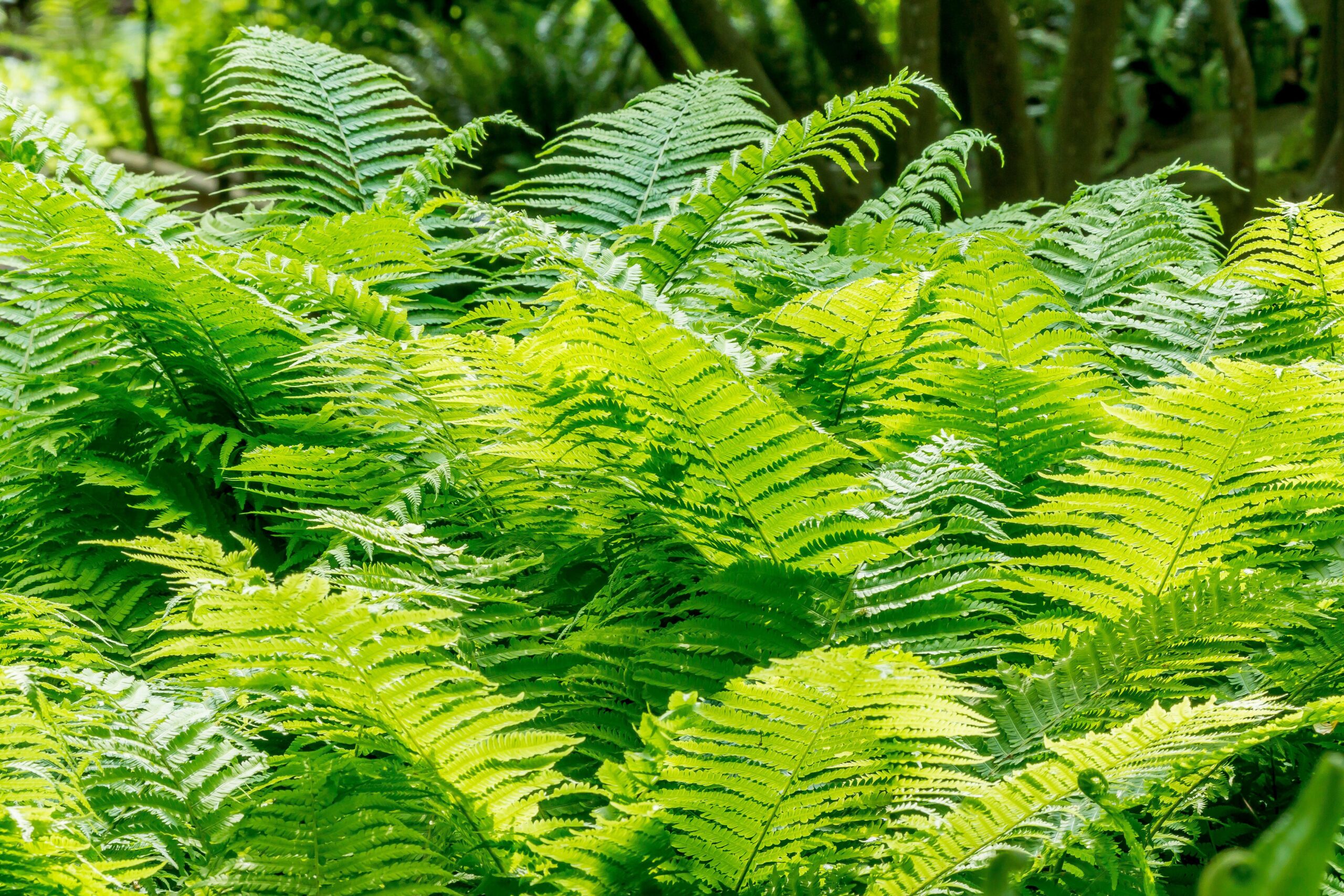
Dryopteris wallichiana– Wallich’s Wood Fern
€9.50
Frequently Bought Together



Description
Quick Facts
– Botanical Name: Dryopteris wallichiana
– Common Name: Wallich’s Wood Fern / Himalayan Wood Fern
– Plant Type: Semi-evergreen to evergreen fern
– Mature Height: 60–90cm
– Mature Spread: 60–90cm
– Frond Colour: Rich mid-green with a slightly glossy finish; new fronds emerge with striking dark scales along warm golden-brown stems
– Habit: Upright, arching shuttlecock — more structured and architectural than many woodland ferns
– Aspect: Partial to full shade; dappled shade is ideal
– Soil: Moist, humus-rich, well-drained
– Hardiness: Very hardy in Ireland & the UK
– Awards: RHS Award of Garden Merit (AGM)
– Maintenance: Very low
Description
Dryopteris wallichiana is one of the finest and most handsome garden ferns available — a plant that brings genuine structure, calm, and a quietly luxurious quality to the shadier parts of the garden. Where many woodland ferns read as soft and delicate, *wallichiana* has a more considered, architectural character: upright fronds that arch gracefully outward as they mature, a slightly glossy finish that catches what light there is in a shaded position, and warm golden-brown stems adorned with dark scales that give the whole plant a richness and detail rarely found in this plant family.
In spring, the new fronds emerge as one of the most beautifully detailed sights the shade garden offers — the contrast between the dark scales and the golden midrib is striking at close range and distinctive even from a distance. As the season progresses, the fronds deepen and settle into a rich, structured presence that holds through summer and, in sheltered positions, well into winter.
This is a fern that rewards the gardener who looks closely and places it well — one of those plants that makes the whole border feel more considered simply by being in it.
Caragh Garden Notebook
Planting:
Plant in spring or autumn into moist, humus-rich, well-drained soil. Incorporate generous amounts of leafmould or well-rotted compost to create the rich, woodland-floor conditions this fern naturally favours. A position in dappled shade — beneath deciduous trees or at the foot of larger shrubs — is ideal, giving the plant the filtered light and root-zone moisture it performs best in. Set the crown at soil level and water in thoroughly. A generous mulch of leafmould or composted bark applied around the plant at planting will help retain moisture and begin improving the soil structure from the outset.
Watering:
Water consistently through the first growing season and during dry spells in subsequent years — this fern should never be allowed to dry out completely, particularly in summer when the fronds are fully extended. In reliably moist, humus-rich soil it will largely look after itself once established; in drier conditions, regular watering makes a significant difference to the quality and vigour of the frond growth. Browning frond tips are the first sign of moisture stress and are easily avoided with consistent attention in dry periods.
Feeding:
A mulch of leafmould or well-rotted compost applied around the crown each spring is the most natural and effective way to feed this fern — it replicates the annual leaf fall of the woodland floor and gradually builds the rich soil conditions the plant thrives in. Over time, this annual mulch will help the plant bulk up beautifully and produce increasingly impressive fronds with each passing year. In poorer soils, a light balanced slow-release fertiliser in spring will support strong growth; avoid anything lime-rich or high in nitrogen.
Seasonal Care & Tidy-Up:
In milder positions, Dryopteris wallichiana will retain much of its foliage through winter, giving the border valuable evergreen structure through the coldest months. In harsher conditions, the fronds may brown and die back partially — remove any damaged or tired growth in late winter or very early spring before new fronds begin to emerge. A light, careful tidy is always preferable to a hard cut; even partially tired fronds protect the crown through winter and are best left until new growth is clearly on its way.
Division:
Established clumps are best left undisturbed — they develop more character and presence with each passing year and perform best when left to build naturally. Division can be carried out in spring if you wish to propagate or spread the plant through the garden. Lift the clump carefully, divide with a sharp spade into sections each with a healthy crown and roots, and replant immediately into well-prepared soil. Water in thoroughly and keep consistently moist through the first season after division.
Pests & Problems:
Generally very trouble-free. Slugs and snails can occasionally target the new fronds as they emerge in spring — worth monitoring at this stage as the distinctive golden-stemmed new growth is the most valuable and vulnerable part of the plant’s season. In dry or impoverished soils the plant will underperform; consistent moisture and organic matter are always the priorities. In very exposed positions, fronds can be damaged by strong, drying winds — a sheltered spot always gives the best results.
Design Notes:
The golden-brown stems and dark scales give wallichiana a detail and richness that make it stand out even in a well-planted shade border — it has a slightly exotic, designed quality that lifts everything around it without drawing attention away from neighbouring plants. Use it to underplant deciduous trees and large shrubs where it will form a structural, textured groundwork beneath the canopy; combine it with hostas for a contrast of form and leaf texture; or weave it through hellebores, pulmonarias, and spring bulbs for a layered planting that looks considered from February through to November. It works particularly well repeated at intervals through a shaded border, where the upright shuttlecock form creates a gentle rhythm that unifies the planting. Placed where the morning or evening light catches the glossy fronds and golden stems, it is quietly spectacular.
Additional information
| Pot Size |
|---|
Related products
-

Dryopteris affinis Cristata The King
Price range: €9.50 through €45.00 Select options This product has multiple variants. The options may be chosen on the product page -
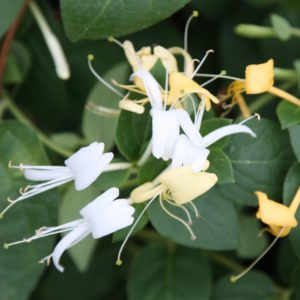
Lonicera japonica Hall’s Prolific
Price range: €17.50 through €20.00 Select options This product has multiple variants. The options may be chosen on the product page -
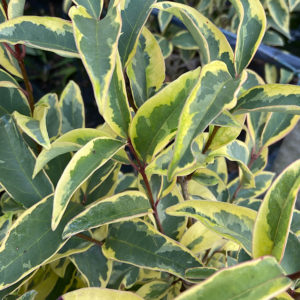
Ligustrum lucidum ‘Excelsum Superbum’ Standard Specimen
€1,500.00 Select options This product has multiple variants. The options may be chosen on the product page -
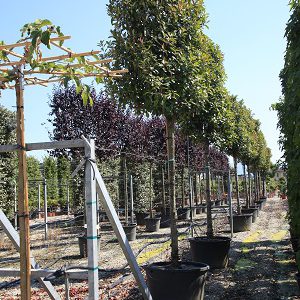
Photinia Red Robin Standard Pleached / Espalier
Price range: €390.00 through €550.00 Select options This product has multiple variants. The options may be chosen on the product page