


Dryopteris filix-mas– Male Fern
€9.50
Frequently Bought Together



Description
Quick Facts
– Botanical Name: Dryopteris filix-mas
– Common Name: Male Fern
– Plant Type: Semi-evergreen to evergreen fern
– Mature Height: 90cm–1.2m
– Mature Spread: 90cm–1.2m
– Frond Colour: Rich mid-green; bold, lance-shaped bipinnate fronds with golden-brown scaled stems
– Habit: Upright, vase-shaped shuttlecock — one of the most classically elegant fern forms
– Aspect: Full shade to partial shade; tolerates a wider range of conditions than almost any other fern
– Soil: Tolerant of most soil types including heavy clay and dry shade; performs best in moist, humus-rich conditions
– Hardiness: Fully hardy — a native fern of Ireland & the UK
– Awards: RHS Award of Garden Merit (AGM)
– Maintenance: Very low
Description
If there is one fern that every garden can grow, it is Dryopteris filix-mas. The Male Fern is one of the most familiar, most reliable, and most genuinely beautiful native ferns of Ireland and the UK — found naturally in woodland, along hedgerows, on shaded banks, and in the cracks of old walls across the island — and it brings that same unhurried, dependable presence to the garden with no special treatment required.
The fronds are bold and classically elegant: large, lance-shaped, rich mid-green, rising in a vase-shaped shuttlecock that is one of the most satisfying forms in the plant kingdom. The stems carry golden-brown scales that catch the light on a slanted winter afternoon and give the whole plant a warm, textured quality that rewards close attention. In milder conditions it will retain much of its foliage through winter; in harder years it dies back and re-emerges in spring with the same unhurried confidence it has always had.
It is the fern that tolerates dry shade, clay soil, deep shadow, and neglect — and still looks well. A native plant, a workhorse, and genuinely beautiful: not a compromise, but a first choice.
Caragh Garden Notebook
Planting:
Plant in spring or autumn into any reasonable garden soil — this is the most adaptable fern available and one of the very few that will perform reliably in dry shade, heavy clay, and impoverished soils where most other ferns would struggle. It performs best in moist, humus-rich conditions, but it is the tolerance for less-than-ideal situations that makes it so genuinely valuable in a real garden context. Incorporate leafmould or compost at planting where possible to give it the best start, set the crown at soil level, water in thoroughly, and mulch around the base. Beyond that, it needs very little.
Watering:
Water consistently through the first growing season while roots establish. Once settled, the Male Fern is one of the most drought-tolerant ferns available — a quality that makes it particularly valuable beneath the canopy of established trees, where soil competition and lack of rainfall can make conditions difficult for less robust plants. In prolonged dry spells, a generous watering will keep the fronds looking their best, but this fern is unlikely to fail from drought alone once it has had a full growing season to establish.
Feeding:
An annual mulch of leafmould or well-rotted compost applied around the crown in spring is all that is typically needed. This feeds gently, improves the soil structure over time, and replicates the leaf litter of the woodland floor the fern naturally inhabits. In very poor or compacted soils, a balanced slow-release fertiliser in spring will support strong, healthy frond production. In good garden soil, no additional feeding is required — this is a plant that thrives in lean conditions as much as rich ones.
Seasonal Care & Tidy-Up:
In milder gardens and sheltered positions, Dryopteris filix-mas will hold much of its foliage through winter, providing valuable evergreen structure through the coldest months. In harsher conditions or exposed positions, fronds will brown and die back through winter. In either case, remove old, tired, or damaged fronds in late winter or early spring before new growth begins to emerge — a light tidy to clear the way for the new season is all that is needed. The new fronds unfurl with the same bold, confident habit as the mature plant and establish the shuttlecock form quickly through spring.
Division:
Divide every four to five years in spring if clumps become very large or congested, or to spread the plant through a shaded area of the garden. Lift with a fork and divide carefully, ensuring each section retains a healthy crown and good root system. Replant immediately into well-prepared soil and water in thoroughly. The Male Fern re-establishes readily after division and will be back to full vigour within a season. It will also self-seed gently in the right conditions — worth watching for seedlings around established plants, which can be moved while small to wherever they are most useful.
Pests & Problems:
Genuinely one of the most trouble-free plants in cultivation. Slugs can occasionally target emerging fronds in spring, but the bold, leathery fronds of the Male Fern are considerably less vulnerable than those of softer, more delicate ferns. In the most extreme dry conditions, frond tips may brown, but this rarely amounts to a serious problem and the plant recovers readily once moisture is restored. It is, in the most useful sense, a plant that simply gets on with it.
Design Notes:
The bold, vase-shaped shuttlecock of the Male Fern brings structure and calm to the shade garden in a way that few other plants can match at this scale. Use it as a structural backbone in larger shaded borders, where the upright fronds provide vertical interest among lower-growing shade plants; naturalise it beneath deciduous trees alongside bluebells, wild garlic, and wood anemones for a planting that feels entirely in keeping with the Irish and UK landscape; or use it in a more formal arrangement of repeated shuttlecocks to create a rhythmic, structural planting through a shaded garden. It combines well with almost everything — hostas, astilbes, epimediums, heucheras, and other ferns all sit naturally alongside it. For a garden that is genuinely low-maintenance and reliably beautiful through every season, the Male Fern is one of the wisest and most rewarding investments you can make.
Additional information
| Pot Size |
|---|
Related products
-
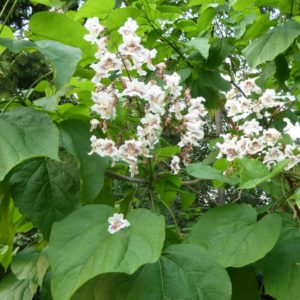
Catalpa biganoides / Indian Bean Tree
€440.00 Select options This product has multiple variants. The options may be chosen on the product page -
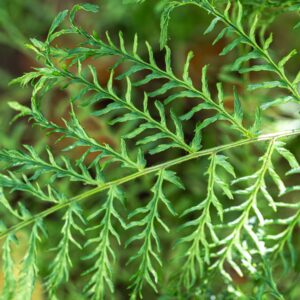
Dryopteris filix-mas Linearis Polydactyla
€8.50 Select options This product has multiple variants. The options may be chosen on the product page -
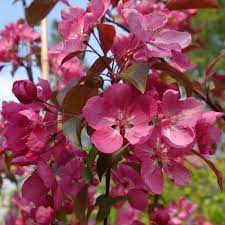
Malus Rudolph / Crab apple Rudolph
€75.00 Select options This product has multiple variants. The options may be chosen on the product page -

Carpinus betulus Fastigiata / Upright Hornbeam
Price range: €180.00 through €750.00 Select options This product has multiple variants. The options may be chosen on the product page