


Cycas revoluta
Price range: €250.00 through €950.00
Frequently Bought Together

Description
Bold, sculptural, and wonderfully timeless, Cycas revoluta (often called the Sago Palm) brings an instant sense of luxury to patios, courtyards and bright indoor spaces. With its sturdy, textured trunk and a crown of glossy, feather-like fronds, it has that slow-grown, architectural beauty that makes a pot display feel curated rather than “planted”.
It’s also brilliantly low-fuss once it’s settled — a statement plant that rewards patience, holding its shape and presence year-round.
Quick Facts
Botanical Name: Cycas revoluta
Common Name: Sago Palm (not a true palm)
Plant Type: Evergreen cycad / architectural specimen plant
Foliage: Dark green, stiff, glossy fronds
Form: Rosette crown on a stout trunk; slow growing
Position: Bright light; sun to partial shade (shelter from harsh midday sun when moving outdoors)
Soil: Free-draining compost; dislikes sitting wet
Hardiness: Best as a conservatory/patio plant in Ireland/UK; protect from frost (move indoors or provide winter protection)
Best For: Statement pots, patios, courtyards, conservatories, contemporary/Mediterranean styling
Maintenance: Low; remove old fronds as needed
Botanical Name: Cycas revoluta
Common Name: Sago Palm (not a true palm)
Plant Type: Evergreen cycad / architectural specimen plant
Foliage: Dark green, stiff, glossy fronds
Form: Rosette crown on a stout trunk; slow growing
Position: Bright light; sun to partial shade (shelter from harsh midday sun when moving outdoors)
Soil: Free-draining compost; dislikes sitting wet
Hardiness: Best as a conservatory/patio plant in Ireland/UK; protect from frost (move indoors or provide winter protection)
Best For: Statement pots, patios, courtyards, conservatories, contemporary/Mediterranean styling
Maintenance: Low; remove old fronds as needed
How to Plant
Plant into a pot with excellent drainage (holes are essential) using a free-draining compost mix. If placing outdoors for summer, choose a sheltered spot and acclimatise it gradually to brighter light to avoid scorching.
Plant into a pot with excellent drainage (holes are essential) using a free-draining compost mix. If placing outdoors for summer, choose a sheltered spot and acclimatise it gradually to brighter light to avoid scorching.
Care Guide
Water sparingly — allow the top of the compost to dry slightly between waterings, and reduce watering significantly in winter. Avoid leaving the pot standing in water. A light feed during the growing season helps keep foliage strong and glossy.
Water sparingly — allow the top of the compost to dry slightly between waterings, and reduce watering significantly in winter. Avoid leaving the pot standing in water. A light feed during the growing season helps keep foliage strong and glossy.
Caragh Garden Notebook
Cycas loves consistency: bright light, good drainage, and gentle watering. Rotate the pot every few weeks to keep growth even, and don’t worry if it’s slow — that steady pace is part of what makes it such a long-lived, premium specimen.
Cycas loves consistency: bright light, good drainage, and gentle watering. Rotate the pot every few weeks to keep growth even, and don’t worry if it’s slow — that steady pace is part of what makes it such a long-lived, premium specimen.
Additional information
| Variation | 10L, 15L, 15L 10cm trunk, 40L 40cm stem, 55L 40-50cm Trunk, 70L 50-60cm trunk, 30L 20-25cm trunk, 80-100cm total height, 55L 30cm truck, 110cm total height, 5L pot |
|---|
Related products
-

Cordyline australis Torbay Dazzler
€15.00 Select options This product has multiple variants. The options may be chosen on the product page -

Phoenix canariensis
Price range: €35.00 through €450.00 Select options This product has multiple variants. The options may be chosen on the product page -
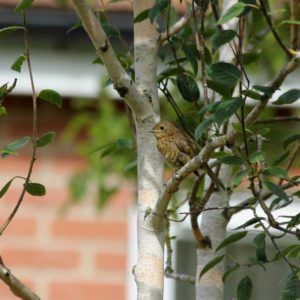
Betula Jacquemontii / Himalayan Birch
Price range: €575.00 through €600.00 Select options This product has multiple variants. The options may be chosen on the product page -
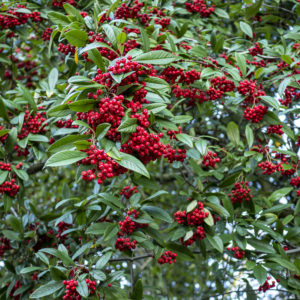
Cotoneaster ‘Cornubia’
Price range: €220.00 through €320.00 Select options This product has multiple variants. The options may be chosen on the product page