

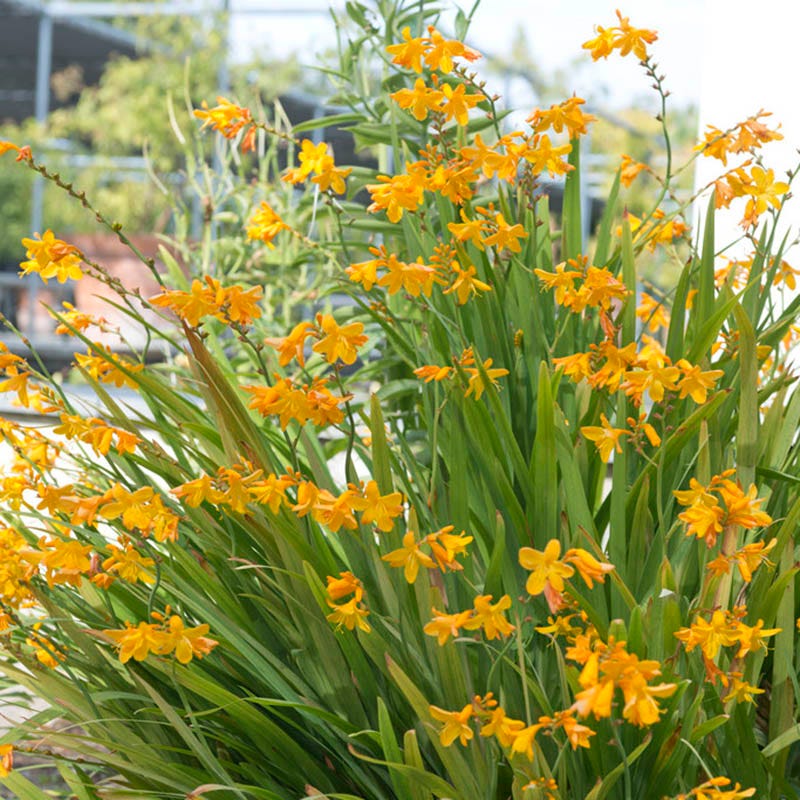
Crocosmia George Davidson
€8.50
Frequently Bought Together


Description
Quick Facts
- Botanical Name: Crocosmia ‘George Davison’
- Common Name: Montbretia
- Plant Type: Corm (hardy perennial)
- Flower Colour: Soft apricot to golden amber
- Foliage: Sword-like green leaves
- Height & Spread: Approx. 50–70cm tall x 30–45cm spread
- Flowering Time: Mid to late summer (typically July–September)
- Position: Full sun to light shade (best colour in sun)
- Soil: Moist but well-drained soil
- Hardiness: Hardy in Ireland & the UK (mulch in very cold, exposed spots)
- Wildlife Friendly: Loved by bees and other pollinators
- Best For: Borders, cottage gardens, prairie-style planting, pots, cut flowers
Description
Crocosmia ‘George Davison’ is one of those plants that quietly lifts a border the moment summer arrives. Its warm apricot flowers sit on gently arching stems, hovering above neat, blade-like foliage—soft in colour, but full of energy.
It’s an especially good choice if you love that sunlit, late-summer look: the kind of planting that feels relaxed and natural, but still beautifully put together. The flower colour is more refined than the brighter reds and oranges, so it blends effortlessly with grasses, salvias, echinacea, rudbeckia, and dusky pinks.
And once it’s happy, it will form a generous clump that comes back reliably each year—bringing that glow right when the garden needs it most.
Why You’ll Love It
- Warm, flattering colour that’s easy to pair with other plants
- Long flowering season through the heart of summer
- Great for movement with its airy, arching stems
- Excellent for pollinators
- Reliable perennial that bulks up into a lovely clump over time
Caragh Garden Notebook
- When to Plant: Spring is ideal (March–May) once the soil begins to warm.
- How to Plant: Plant corms 7–10cm deep, spacing 10–15cm apart.
- Watering: Keep watered while establishing, especially in dry spells. Once settled, it’s fairly resilient, but flowers best with consistent moisture.
- Aftercare: Deadhead to extend flowering. Leave foliage to die back naturally in autumn, then tidy in late winter/early spring.
- Design Tip: Plant in drifts for a soft, natural effect, or tuck into the middle of a border so the flowers rise through surrounding planting.
Perfect Partners
Looks gorgeous with stipa or miscanthus grasses, salvias, verbena bonariensis, echinacea, rudbeckia, and airy whites like gaura—anything that lets that apricot glow shine.
Additional information
| Pot Size |
|---|
Related products
-
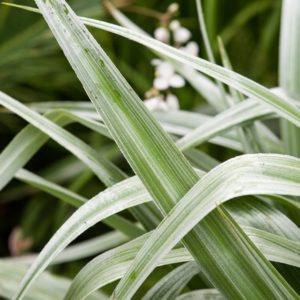
Astelia Silver Spear
€20.00 Select options This product has multiple variants. The options may be chosen on the product page -
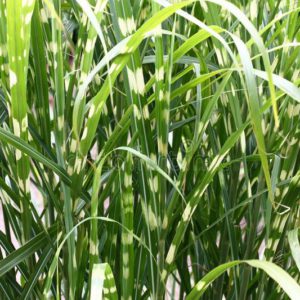
Miscanthus Zebrinus
Price range: €8.50 through €40.00 Select options This product has multiple variants. The options may be chosen on the product page -
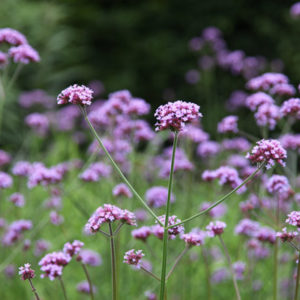
Verbena bonariensis
€8.50 Select options This product has multiple variants. The options may be chosen on the product page -

Perovskia Blue Spire
€8.50 Select options This product has multiple variants. The options may be chosen on the product page