
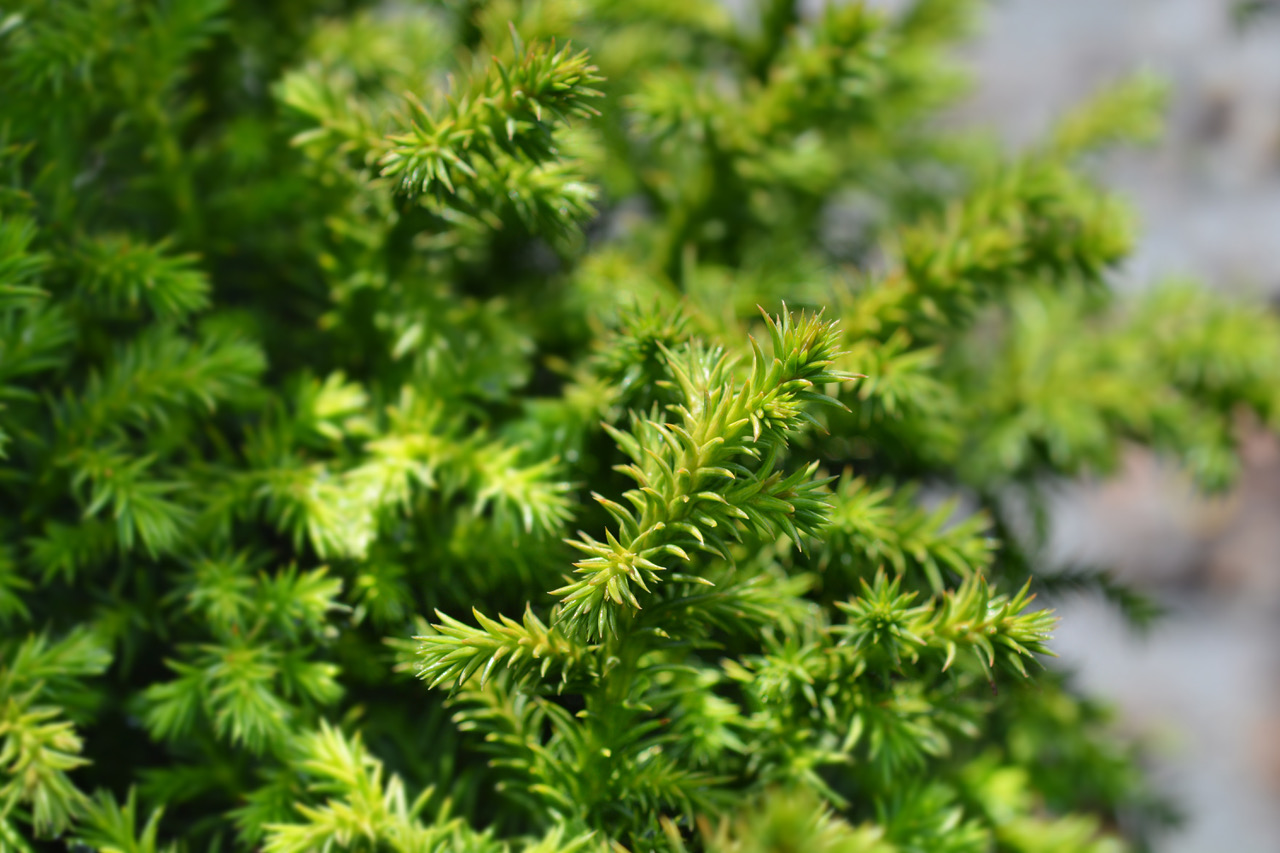
Cryptomeria japonica vilmoriniana
€25.00
Frequently Bought Together


Description
Quick Facts
- Common Name: Vilmorin’s Japanese Cedar, Dwarf Japanese Cedar
- Botanical Name: Cryptomeria japonica ‘Vilmoriniana’
- Plant Type: Evergreen dwarf conifer
- Mature Height: 1-1.5m (after 10 years); eventually 2-3m (after 20+ years)
- Mature Spread: 1-1.5m
- Foliage: Soft needle-like foliage; bright green in summer, rich bronze-purple in winter
- Hardiness: RHS H5 (hardy throughout UK and Ireland)
- Soil Requirements: Moist, well-drained, slightly acidic to neutral soil
- Aspect: Full sun to partial shade
- Maintenance: Low
Description
Experience the breathtaking beauty of Cryptomeria japonica ‘Vilmoriniana’, one of the most enchanting and compact dwarf conifers for gardens, where soft bright green summer foliage, spectacular rich bronze-purple winter colour transformation, and perfect dense globe-shaped form combine to create year-round architectural displays of extraordinary seasonal interest that bring dramatic winter colour and elegant evergreen structure with remarkable compact habit making this perfect for adding four-season focal points and sculptural presence to small gardens, rock gardens, and containers where space is limited. This exceptional dwarf cultivar offers remarkable qualities—spectacular seasonal colour transformation with soft bright green foliage in spring and summer changing to rich bronze-purple to reddish-bronze in autumn and winter creating dramatic two-season displays, perfect dense globe-shaped to rounded habit naturally forming neat symmetrical domes without pruning, exceptionally slow growth rate reaching only 1-1.5m tall after 10 years making it ideal for small gardens and containers where space is restricted, soft feathery needle-like foliage creating delicate texture and tactile appeal unlike harsh prickly conifers, and outstanding hardiness and adaptability thriving throughout UK and Ireland with remarkable resilience, making this one of the most rewarding and versatile choices for adding year-round architectural structure, dramatic winter colour, and compact evergreen presence to gardens and containers.
Throughout the seasons, this captivating dwarf conifer displays its most spectacular features with remarkable seasonal colour changes—in spring and summer (April-September), the foliage is soft bright green to fresh green creating vibrant cheerful displays. The needle-like leaves are arranged in dense spirals around stems creating soft feathery texture. Each “needle” is actually a small scale-like leaf measuring 5-8mm long, soft and pliable to touch (not sharp or prickly) creating pleasant tactile quality. The foliage is densely packed creating substantial coverage and complete opacity. As temperatures cool in autumn (October-November), the foliage begins its spectacular transformation—the bright green gradually changes to bronze-green, then deepens to rich bronze-purple to reddish-bronze to plum-purple creating extraordinary winter displays. This winter colour is most intense in full sun and cold temperatures, with the entire plant transforming into a glowing bronze globe. The colour is richest from November through March, providing valuable winter interest when many gardens lack colour. In spring (March-April), the foliage gradually returns to bright green as new growth emerges and temperatures warm, completing the annual colour cycle. This reliable seasonal transformation provides two distinct looks—fresh green summer globe and rich bronze winter sphere. The growth habit is the plant’s defining feature—naturally dense, rounded, and globe-shaped forming perfect symmetrical domes without any pruning or shaping. Young plants are compact and rounded; mature specimens develop into broader rounded domes. The branching is dense and congested creating solid mass. Growth is exceptionally slow—typically adding only 5-10cm per year, reaching 1-1.5m tall and wide after 10 years, eventually reaching 2-3m after 20+ years (though many specimens remain smaller). This slow growth makes it perfect for small spaces and containers where rapid growth would be problematic. The overall effect is elegant, sculptural, and seasonally dynamic—like having living bronze spheres in winter transforming to fresh green globes in summer creating year-round architectural focal points with minimal maintenance.
Native to Japan where Cryptomeria japonica (Japanese cedar or sugi) is the national tree and grows wild in mountain forests, this species has been cultivated in Japanese gardens for centuries and is one of Japan’s most important timber trees. The genus name Cryptomeria comes from the Greek ‘kryptos’ (hidden) and ‘meros’ (part), referring to the hidden floral parts. The species name ‘japonica’ means “from Japan.” ‘Vilmoriniana’ is a dwarf cultivar discovered in France and named after the famous Vilmorin-Andrieux seed company. This cultivar was specifically selected for its exceptional compact globe-shaped habit, spectacular bronze winter colour (more intense than species), exceptionally slow growth perfect for small gardens, and soft feathery foliage. Hardy to RHS H5, this robust dwarf conifer thrives throughout UK and Ireland with complete reliability, tolerating cold winters (to -15°C) and recovering vigorously in spring. Very slow growth rate, adding only 5-10cm annually, forming substantial rounded specimens within 10+ years. Particularly valuable for spectacular seasonal colour transformation from bright green in summer to rich bronze-purple in winter, perfect dense globe-shaped habit naturally forming symmetrical domes without pruning, exceptionally slow compact growth ideal for small gardens and long-term container growing, soft feathery foliage creating delicate texture and tactile appeal, and outstanding year-round architectural presence providing structure in all seasons. The dramatic winter colour and compact habit make this outstanding for small gardens and winter interest.
Create stunning compositions by planting as year-round focal points in small gardens where the compact habit and seasonal colour transformation create sculptural interest without overwhelming space, using in rock gardens and alpine beds where the slow growth and rounded form create perfect scale and proportion, or positioning in containers and pots where the compact habit and slow growth excel creating long-term architectural displays for patios, terraces, and entrances. Exceptional in Japanese-inspired gardens where the authentic Japanese heritage and seasonal colour changes reflect traditional aesthetics, as low evergreen hedging or edging (plant 80cm-1m apart) where the dense habit creates neat formal lines, or in winter gardens where the spectacular bronze-purple colour provides valuable cold-season interest. Works beautifully combined with other dwarf conifers (Chamaecyparis, Juniperus, Pinus mugo) for textural variety and year-round structure, combined with ornamental grasses (Hakonechloa, Carex, Festuca) that echo the seasonal colour changes and provide movement, or combined with heathers and heaths (Calluna, Erica, Daboecia) for layered evergreen interest and complementary winter colour. Also magnificent in mixed borders providing evergreen structure and winter focal points, combined with spring bulbs (snowdrops, crocuses, dwarf narcissus) that bloom as winter colour fades, or underplanted with low-growing perennials (Ajuga, Saxifraga, Sedum) that complement the rounded form. Perfect for adding year-round architectural structure, dramatic winter colour, and compact evergreen presence to small gardens, rock gardens, and containers. Excellent for providing four-season interest with minimal maintenance.
Caragh Garden Notebook
Planting: Space plants 80cm-1m apart for low hedging or grouped plantings, or plant singly as specimens. Plant container-grown specimens year-round, though spring (March-May) or autumn (September-October) is ideal for best establishment. Choose position in full sun to partial shade—full sun produces most intense bronze winter colour and most compact growth, while partial shade produces softer green tones and less dramatic winter colour transformation. Tolerates range of exposures but best in sheltered to moderately exposed positions—avoid extremely exposed windy sites which can cause foliage browning. Dig generous planting hole twice width of root ball and same depth. Incorporate organic matter (well-rotted compost, leaf mould) into backfill soil to improve fertility and moisture retention. Plant at same depth as in container, ensuring root ball is level with surrounding soil. Backfill carefully, firming gently. Water thoroughly after planting. Apply 5-8cm mulch around base, keeping mulch clear of stem (5cm gap). Water regularly during first growing season. Position where the seasonal colour transformation and compact globe form can be appreciated year-round.
Soil Preparation: Prefers moist, well-drained, slightly acidic to neutral soil (pH 5.5-7.0) for best growth and colour. Tolerates range of soil types including loamy, sandy, and clay soils provided drainage is adequate. Requires well-drained soil—avoid waterlogged or poorly drained soils which cause root problems and foliage browning. Prefers consistent moisture particularly during growing season—does not tolerate prolonged drought which causes foliage stress and browning. Thrives in moderately fertile soils enriched with organic matter. Improve all soil types by incorporating organic matter (compost, leaf mould, well-rotted manure) to improve moisture retention, drainage, and fertility. Mulch annually in spring with 5-8cm layer of organic matter around base to conserve moisture, suppress weeds, and improve soil fertility. Keep mulch clear of stem. Best growth and winter colour occur in full sun with moist, well-drained, slightly acidic to neutral soil—these conditions produce the most compact growth and most intense bronze-purple winter colour.
Container Growing: Excellent for long-term container growing due to exceptionally slow growth! Use large containers (minimum 40-50cm diameter), soil-based compost (John Innes No. 2 or 3) enriched with organic matter, and ensure excellent drainage. Position in full sun for best winter colour or partial shade for softer tones. Water regularly during growing season keeping compost consistently moist but not waterlogged—container-grown conifers require frequent watering particularly in summer. Feed in spring with slow-release balanced fertiliser or ericaceous fertiliser. No pruning required—naturally maintains perfect globe shape. Top-dress annually with fresh compost. Repot every 3-5 years in spring into slightly larger container—slow growth means infrequent repotting. Perfect for creating long-term architectural displays in containers!
Seasonal Care: Exceptionally low maintenance! No pruning required—the plant naturally maintains perfect dense globe-shaped form without any shaping or trimming. If desired, can lightly trim in spring (April) to maintain size or remove any damaged growth, but this is rarely necessary. In spring (March-April), apply slow-release balanced fertiliser or ericaceous fertiliser around base following package directions. Mulch annually with organic matter. Water during prolonged dry spells, particularly during first 5 years of establishment and during hot summers—consistent moisture prevents foliage browning. Generally pest and disease free with excellent vigour. Occasionally watch for spider mites in hot dry conditions (increase watering, spray with water). Foliage may brown in extremely cold winters or if exposed to drying winds (provide shelter in exposed positions). The spectacular seasonal colour transformation from bright green to rich bronze-purple is reliably stunning!
Propagation: Can be propagated from semi-ripe cuttings taken in late summer (August-September)—take 8-10cm cuttings from current season’s growth, remove lower foliage, dip in rooting hormone, and insert into free-draining compost. Maintain cool humid conditions. Rooting takes 10-16 weeks and success rate is moderate. Home gardeners can attempt propagation, though nursery-grown specimens provide guaranteed quality and the slow growth means home-propagated plants take many years to reach substantial size.
This spectacular beauty is absolutely breathtaking—one of the finest dwarf conifers for year-round interest! That spectacular seasonal colour transformation is absolutely stunning—soft bright green foliage in spring and summer changing to rich bronze-purple to reddish-bronze in autumn and winter creating dramatic two-season displays! Perfect dense globe-shaped habit naturally forming neat symmetrical domes without any pruning! Exceptionally slow growth reaching only 1-1.5m tall after 10 years—ideal for small gardens and containers! Soft feathery needle-like foliage creating delicate texture (not prickly!). Hardy (RHS H5)—completely reliable throughout UK and Ireland! Very slow growth (5-10cm annually). NO PRUNING REQUIRED—naturally maintains perfect shape! Water regularly—needs consistent moisture. Feed in spring. Most intense bronze winter colour in full sun! Perfect for small gardens, rock gardens, containers, Japanese gardens, winter interest, and anywhere you want year-round architectural structure with dramatic seasonal colour transformation. Pure sculptural magnificence and bronze winter spheres!
Related products
-
Rhododendron Bengal
€22.00 Select options This product has multiple variants. The options may be chosen on the product page -
Rhododendron ‘Anna Rose Whitney’
€22.00 Select options This product has multiple variants. The options may be chosen on the product page -
Acer Crimson King / Red Norway Maple
Price range: €225.00 through €950.00 Select options This product has multiple variants. The options may be chosen on the product page -
Cedrus deodara eisregen
€25.00 Select options This product has multiple variants. The options may be chosen on the product page