


Carex comans Frosted Curls
€8.50
Frequently Bought Together



Description
Quick Facts
Botanical Name: Carex comans ‘Frosted Curls’
Common Name: Sedge ‘Frosted Curls’ (New Zealand Sedge)
Plant Type: Ornamental sedge (evergreen)
Position: Full sun / light shade
Soil: Moist but free-draining (avoid waterlogging)
Foliage: Fine, curling leaves in soft cream-lime tones; year-round texture
Flowering: Spring–summer (small, subtle flowers)
Wildlife: Great for shelter and naturalistic planting; low-maintenance
Great For: Pots, edging, gravel gardens, mixed borders, underplanting
Hardiness: Hardy in Irish/UK gardens (best with drainage)
Common Name: Sedge ‘Frosted Curls’ (New Zealand Sedge)
Plant Type: Ornamental sedge (evergreen)
Position: Full sun / light shade
Soil: Moist but free-draining (avoid waterlogging)
Foliage: Fine, curling leaves in soft cream-lime tones; year-round texture
Flowering: Spring–summer (small, subtle flowers)
Wildlife: Great for shelter and naturalistic planting; low-maintenance
Great For: Pots, edging, gravel gardens, mixed borders, underplanting
Hardiness: Hardy in Irish/UK gardens (best with drainage)
Description
If you’re looking for a plant that instantly brightens a border or pot—without ever feeling fussy—Carex ‘Frosted Curls’ is a favourite. Its fine, curling foliage forms a soft, fountain-like mound in fresh cream and lime tones, adding light, movement and texture all year round.
It’s especially lovely in containers near a doorway or seating area, where you can appreciate the detail up close. In borders, it works as a “weaver” plant—threading between perennials and shrubs to make the whole planting feel more natural and layered.
Caragh Garden Notebook
Planting: Plant in full sun for best colour, or light shade for a gentler look. Ideal for pots—use free-draining compost and make sure the container drains well.
Watering: Keep watered while establishing. Once settled, it’s fairly tolerant, but in dry spells (and in pots) it appreciates regular watering to stay fresh.
Feeding: Not demanding. A light spring feed is enough; in containers, a slow-release feed helps maintain vigour.
Pruning / Tidying: In early spring, comb through with gloved hands to remove old leaves. Trim lightly if needed—avoid cutting hard into the crown.
Winter Care: Evergreen and hardy, but dislikes sitting wet. If your soil is heavy, improve drainage with grit or grow in a container.
Design Notes: Beautiful with dark foliage (heucheras), purples/blues (salvia, nepeta), and silver leaves. Also stunning against stone, gravel and timber.
Watering: Keep watered while establishing. Once settled, it’s fairly tolerant, but in dry spells (and in pots) it appreciates regular watering to stay fresh.
Feeding: Not demanding. A light spring feed is enough; in containers, a slow-release feed helps maintain vigour.
Pruning / Tidying: In early spring, comb through with gloved hands to remove old leaves. Trim lightly if needed—avoid cutting hard into the crown.
Winter Care: Evergreen and hardy, but dislikes sitting wet. If your soil is heavy, improve drainage with grit or grow in a container.
Design Notes: Beautiful with dark foliage (heucheras), purples/blues (salvia, nepeta), and silver leaves. Also stunning against stone, gravel and timber.
FAQs
Is ‘Frosted Curls’ evergreen?
Yes—generally evergreen, though it may look a little tired by late winter. A spring tidy brings it straight back.
Yes—generally evergreen, though it may look a little tired by late winter. A spring tidy brings it straight back.
Is it suitable for pots?
Absolutely—one of the best plants for adding year-round texture to containers.
Absolutely—one of the best plants for adding year-round texture to containers.
Will it spread?
It forms a clump rather than running. You can divide it every few years if you’d like more plants.
It forms a clump rather than running. You can divide it every few years if you’d like more plants.
Additional information
| Pot Size |
|---|
Related products
-
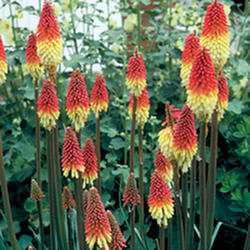
Kniphofia Flamenco
€8.50 Select options This product has multiple variants. The options may be chosen on the product page -
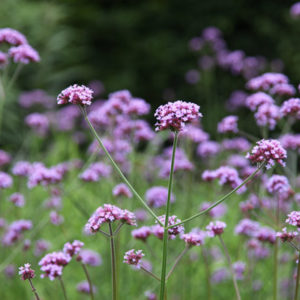
Verbena bonariensis
€8.50 Select options This product has multiple variants. The options may be chosen on the product page -

Persicaria ‘Darjeeling Red’
€8.50 Select options This product has multiple variants. The options may be chosen on the product page -
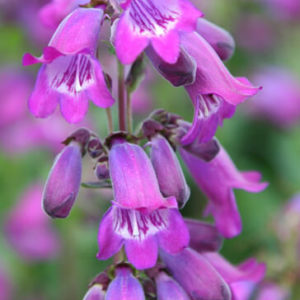
Penstemon Sour Grapes
€8.50 Select options This product has multiple variants. The options may be chosen on the product page