


Carex testacea– Orange Sedge
€9.50
Frequently Bought Together



Description
Quick Facts
– Botanical Name: Carex testacea
– Common Name: Orange Sedge / Prairie Fire Sedge
– Plant Type: Evergreen ornamental sedge
– Mature Height: Up to 60cm
– Mature Spread: 45–60cm
– Foliage Colour: Coppery-orange; new spring growth emerges olive-green, deepening and warming through the season to vibrant autumnal tones that hold well into winter
– Flowers: Small, delicate brown flower spikes, mid to late summer
– Habit: Compact, arching mound
– Aspect: Full sun to partial shade; colour is most vibrant in a sunny position
– Soil: Moist, well-drained; tolerant of most soil types
– Hardiness: Hardy in Ireland & the UK
– Maintenance: Low
Description
Carex testacea is a sedge that earns its place through colour — a warm, sustained, coppery-orange that shifts and deepens through the seasons and holds its richness long into winter when most of the garden around it has quietened. The season begins with a moment of contrast: fresh olive-green new growth emerging from the copper of the older foliage, the two tones sitting together in spring before the new growth warms and deepens as the months progress. By autumn, the orange intensifies to its richest, most vibrant expression — and unlike many plants whose best moments are fleeting, this one holds that colour through the coldest months, contributing warmth and life to the winter garden when it is most needed.
In mid to late summer, delicate brown flower spikes rise above the mound of foliage, adding a further layer of soft, naturalistic texture. Compact, arching, and entirely evergreen — this is a sedge that gives generously at every stage of the year.
Caragh Garden Notebook
Planting:
Plant in spring or autumn into moist, well-drained soil. Carex testacea is tolerant of most reasonable garden soils and establishes readily without fuss. Position in full sun for the most vibrant and sustained copper-orange colouring — in partial shade the tones soften to a more muted olive-green, which is still attractive but loses some of the warmth and richness the variety is known for. In a sunny, open position the colour develops most fully and holds most reliably through winter. Space at around 45cm to allow the arching mound to develop its natural form without crowding neighbouring plants.
Watering:
Water consistently through the first growing season while roots establish. Once settled, Carex testacea is reasonably tolerant of drier conditions and requires little supplementary watering in an Irish or UK garden beyond natural rainfall. During prolonged dry spells in summer, a thorough watering will maintain the freshness and vibrancy of the foliage. In containers, check moisture levels regularly and water thoroughly when the top few centimetres of compost feel dry — container-grown sedges dry out more quickly than those in the ground, particularly in warm or windy weather.
Feeding:
A light balanced slow-release fertiliser applied in spring will support strong, healthy growth and maintain the richness of the foliage colouring through the season. An annual topdress of compost or well-rotted manure around the base in spring is equally effective and more natural in approach. Avoid high-nitrogen feeds, which push soft, lush growth and can dilute the intensity of the coppery colouring — leaner conditions tend to produce the most vivid colour in this sedge.
Seasonal Care & Tidy-Up:
In late winter or early spring, comb through the mound with gloved hands to remove any tired, brown, or damaged leaves from within the clump, and give the overall shape a light tidy if needed. Avoid cutting back hard — the arching mound is the plant’s natural form and recovers slowly from severe cutting. A gentle tidy to remove the worst of the winter’s wear is always preferable to a drastic trim. The flower spikes of late summer can be left to stand through autumn and winter, where they add a delicate layer of texture to the mound until the spring tidy removes them.
Division:
Divide every three to four years in spring to keep the clumps vigorous and to spread the plant through the garden. Lift carefully, divide into sections with a sharp spade ensuring each portion has a healthy root system, and replant immediately into well-prepared soil. Water in thoroughly and keep consistently moist through the first season. Division is also a useful opportunity to refresh the planting with compost around the new divisions.
Pests & Problems:
Generally very trouble-free. Slugs can occasionally shelter within dense clumps but rarely cause significant damage to an established plant. In very poorly drained or waterlogged soils, the plant may perform poorly and the foliage quality will suffer — good drainage at planting is the most reliable preventative. In deep shade, the coppery-orange colouring will be considerably less vibrant and the plant loses much of its ornamental value; a position with at least some direct sun is always worthwhile for this variety.
Design Notes:
The warm, coppery-orange of Carex testacea is one of the most useful tones in the garden planting palette — it provides a warm, earthy contrast to cool blues, purples, and silvers, and reads beautifully alongside the faded seed heads and russet tones of a prairie or naturalistic planting in autumn. Use it in drifts through a sunny perennial border alongside Echinacea, Rudbeckia, Salvia, and ornamental grasses for a planting that peaks in late summer and holds into winter with real presence; use it in a more formal setting as a repeated ground-level accent that ties together taller structural planting with a consistent warm tone; or plant it in containers alongside purple-leaved heucheras and blue festuca for a combination that works through every season. The colour holds best and longest in full sun — position it where the low winter light can catch the orange and set it glowing, which is when this sedge is at its most quietly spectacular.
Related products
-
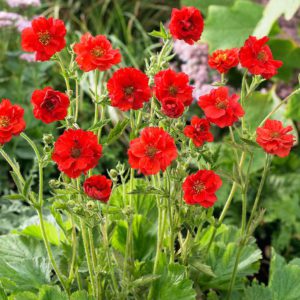
Geum Mrs Bradshaw
€8.50 Select options This product has multiple variants. The options may be chosen on the product page -

Carex ‘Evergold’
€10.50 Select options This product has multiple variants. The options may be chosen on the product page -
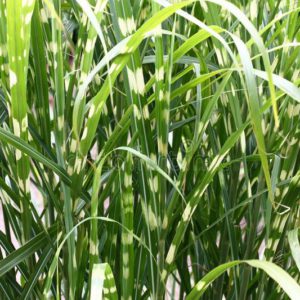
Miscanthus Zebrinus
Price range: €8.50 through €40.00 Select options This product has multiple variants. The options may be chosen on the product page -
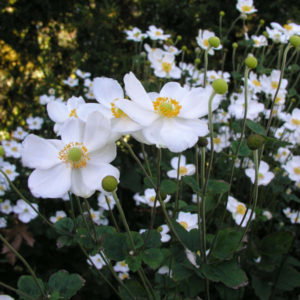
Anemone Honorine Jobert
€8.50 Select options This product has multiple variants. The options may be chosen on the product page