

Astilbe ‘Erica’
€8.50
Frequently Bought Together

Description
Quick Facts
Botanical Name: Astilbe ‘Erica’
Common Name: False Spirea
Plant Type: Herbaceous perennial
Mature Height: 60–75cm
Mature Spread: 45–60cm
Flowering Period: Early to midsummer (June–July)
Flower Colour: Soft pink plumes
Foliage Colour: Mid-green, finely divided fern-like leaves
Hardiness: Very hardy in Ireland & the UK
Soil Requirements: Moist, humus-rich soil
Aspect: Part shade to full shade
Maintenance: Low to moderate
Description
Astilbe ‘Erica’ is a classic shade perennial with soft pink flower plumes that rise above neat, fern-like foliage in early summer. It brings colour and texture to damp or partially shaded areas where many flowering plants struggle, and it works especially well where you want something reliable, elegant, and easy to place. The flowers are airy rather than loud, which makes it a good fit for woodland-style planting, borders, and containers.
Caragh Garden Notebook
Planting:
Plant in spring or autumn into moist, humus-rich soil with plenty of organic matter added. Astilbes prefer a position that doesn’t dry out, so avoid hot, exposed spots. Space plants 45–60cm apart.
Watering:
Water regularly and keep the soil consistently moist, especially in dry spells and through the flowering period. Astilbes dislike drought and perform best where moisture levels stay fairly even.
Feeding:
A mulch of compost or leaf mould in spring is ideal. In pots, a light slow-release feed can help maintain growth and flowering.
Seasonal Care & Tidy-Up:
Cut flower stems back after they fade. Leave the foliage in place until it dies back naturally in autumn or tidy it away in late winter before new growth begins.
Division (to keep plants vigorous):
Divide every 3–4 years in spring if clumps become congested or flowering starts to reduce. Replant divisions promptly and keep them well watered.
Pests & Problems:
Generally trouble-free. Dry soil is the main issue to avoid, as it leads to poor flowering and browning foliage. Slugs can occasionally nibble young shoots.
Design Notes:
Excellent for softening the edges of shaded borders and for pairing with hostas, ferns, heucheras, and other moisture-loving plants. The soft pink plumes bring a gentle lift without dominating the planting, and the foliage holds its own well even when the plant is not in flower. Also good in containers if kept watered.
Additional information
| Pot Size |
|---|
Related products
-

Perovskia Blue Spire
€8.50 Select options This product has multiple variants. The options may be chosen on the product page -

Dryopteris erythrosora / Autumn fern
€9.50 Select options This product has multiple variants. The options may be chosen on the product page -
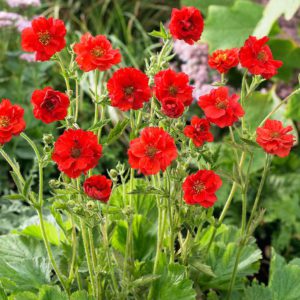
Geum Mrs Bradshaw
€8.50 Select options This product has multiple variants. The options may be chosen on the product page -
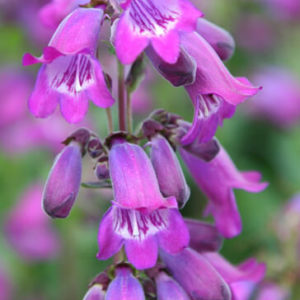
Penstemon Sour Grapes
€8.50 Select options This product has multiple variants. The options may be chosen on the product page