

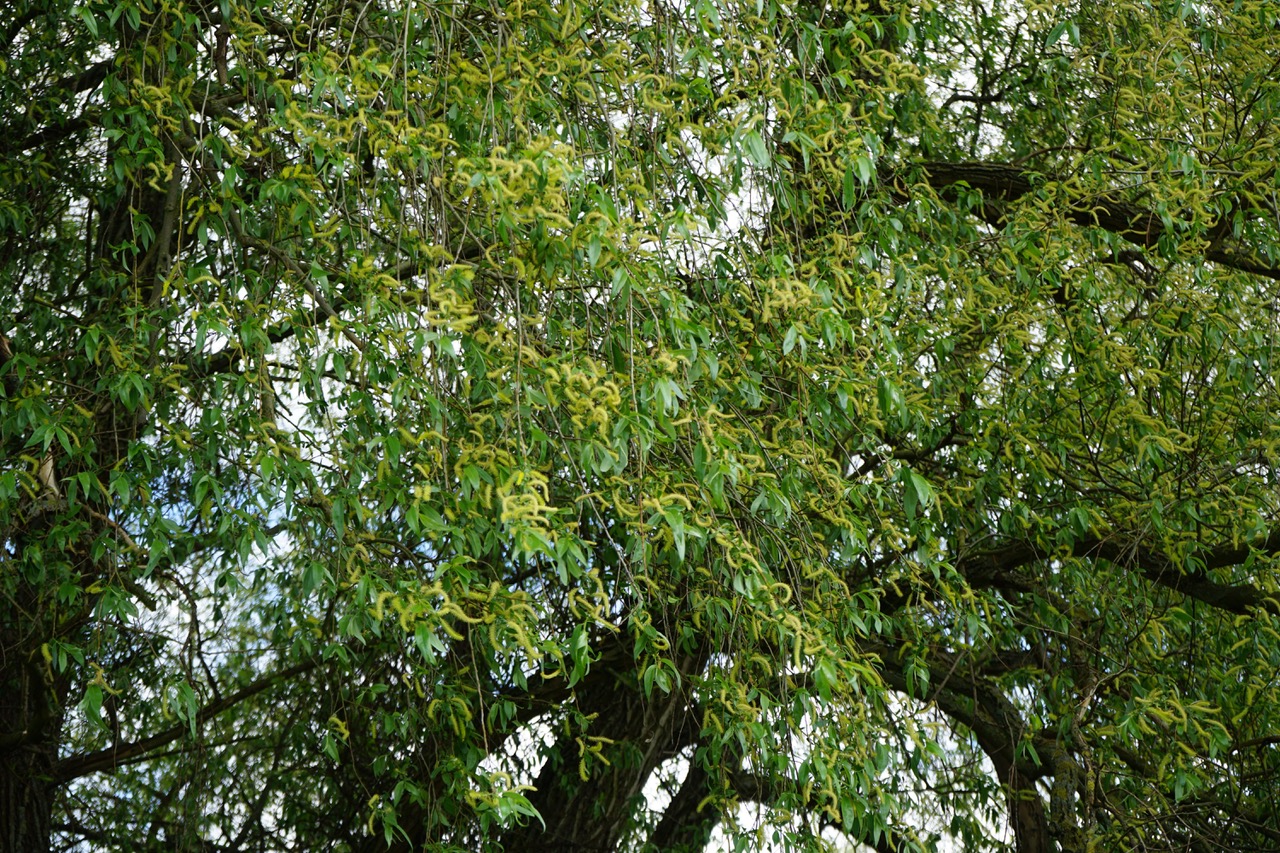
Salix alba ‘Chermesina’
Price range: €150.00 through €400.00
Description
Quick Facts
– Botanical Name: Salix alba ‘Chermesina’ (also sold as Salix alba var. vitellina ‘Britzensis’)
– Common Name: Scarlet Willow
– Plant Type: Deciduous tree
– Mature Height: Approx. 10-15m (can be kept much smaller by pollarding or coppicing)
– Mature Spread: Approx. 6-8m
– Flowering Period: Early spring (male cultivar, with catkins)
– Flower Colour: Yellow-green catkins
– Foliage Colour: Dark green leaves with silvery hairs, appearing in early spring and lasting until late autumn
– Stem Colour: Brilliant scarlet-red young stems, most striking in winter
– Bark: Deeply grooved, corky trunk
– Habit: Upright, spreading, medium-large tree
– Hardiness: Fully hardy
– Soil Requirements: Moist to wet; tolerates heavy clay and regular flooding
– Aspect: Full sun
– Maintenance: Moderate: prune annually in late winter for the best stem colour
Description
Salix alba ‘Chermesina’, the Scarlet Willow, is a spectacular tree for winter colour. As the leaves fall, the young stems blaze bright scarlet-red, glowing against frost, snow or a grey winter sky and brightening the garden when little else is in colour.
Through the growing season, dark green leaves with a silvery sheen appear in early spring and stay on the tree until late autumn. The mature trunk develops deep, corky grooves that add character and structure. In early spring, catkins offer an early source of pollen for bees.
Bold, bright and wonderfully tough, ‘Chermesina’ is a willow that lights up the coldest months.
Caragh Garden Notebook
Planting:
Plant in autumn or spring in moist to wet soil, adding well-rotted compost to the planting hole. Choose a sunny, open position with plenty of room, ideally near water or in a damp area. Plant at the same depth as the pot, firm in gently and water in thoroughly. Stake young trees for the first two to three years while the roots establish.
Watering:
Water regularly through the first two growing seasons, especially in dry spells. Willows love moisture and dislike drying out. Once established in damp soil, it is largely self-sufficient and copes with even regular flooding.
Feeding:
Apply a balanced general fertiliser or a mulch of well-rotted compost in spring. Established trees in fertile, moist ground need very little extra feeding.
Seasonal Care & Tidy-Up:
The brightest red colour appears on young stems, so prune annually in late winter or early spring. Cut the previous year’s growth back hard, either to a low framework (pollarding) or to near ground level (coppicing). Willows regrow vigorously and produce a fresh crop of vividly coloured stems each year.
Pests & Problems:
Generally healthy. Willow aphids, leaf beetles, rust and canker can occasionally appear. Watermark disease can affect white willows, though it is uncommon. Good moisture at the roots and regular pruning keep trees healthy. Keep away from drains, foundations and pipes, as willow roots are vigorous in search of water.
Design Notes:
‘Chermesina’ is a great choice for parkland, large gardens, pond edges and wet or flood-prone ground. Pollarded, it makes a striking winter feature that suits larger spaces, and it pairs beautifully with silver birch, dogwoods and evergreen backdrops. It is also a good wildlife tree, supporting pollinators in spring.
Propagation:
Take hardwood cuttings in autumn or winter and push them straight into moist soil. They root very readily.
Additional information
| Pot Size | 10-12cm Rootballed, 12-14cm girth Standard, 14-16cm Rootballed, 16-18cm Rootballed, 18-20cm Rootballed, 8-10cm Rootballed, 12-14cm Rootballed, 20-25cm Rootballed |
|---|
Related products
-

Koelreuteria paniculata
€320.00 Select options This product has multiple variants. The options may be chosen on the product page -
Catalpa biganoides / Indian Bean Tree
€440.00 Select options This product has multiple variants. The options may be chosen on the product page -
Tilia platyphyllos / Large leaved Lime
Price range: €320.00 through €650.00 Select options This product has multiple variants. The options may be chosen on the product page -
Alnus cordata / Italian Alder
Price range: €330.00 through €550.00 Select options This product has multiple variants. The options may be chosen on the product page