

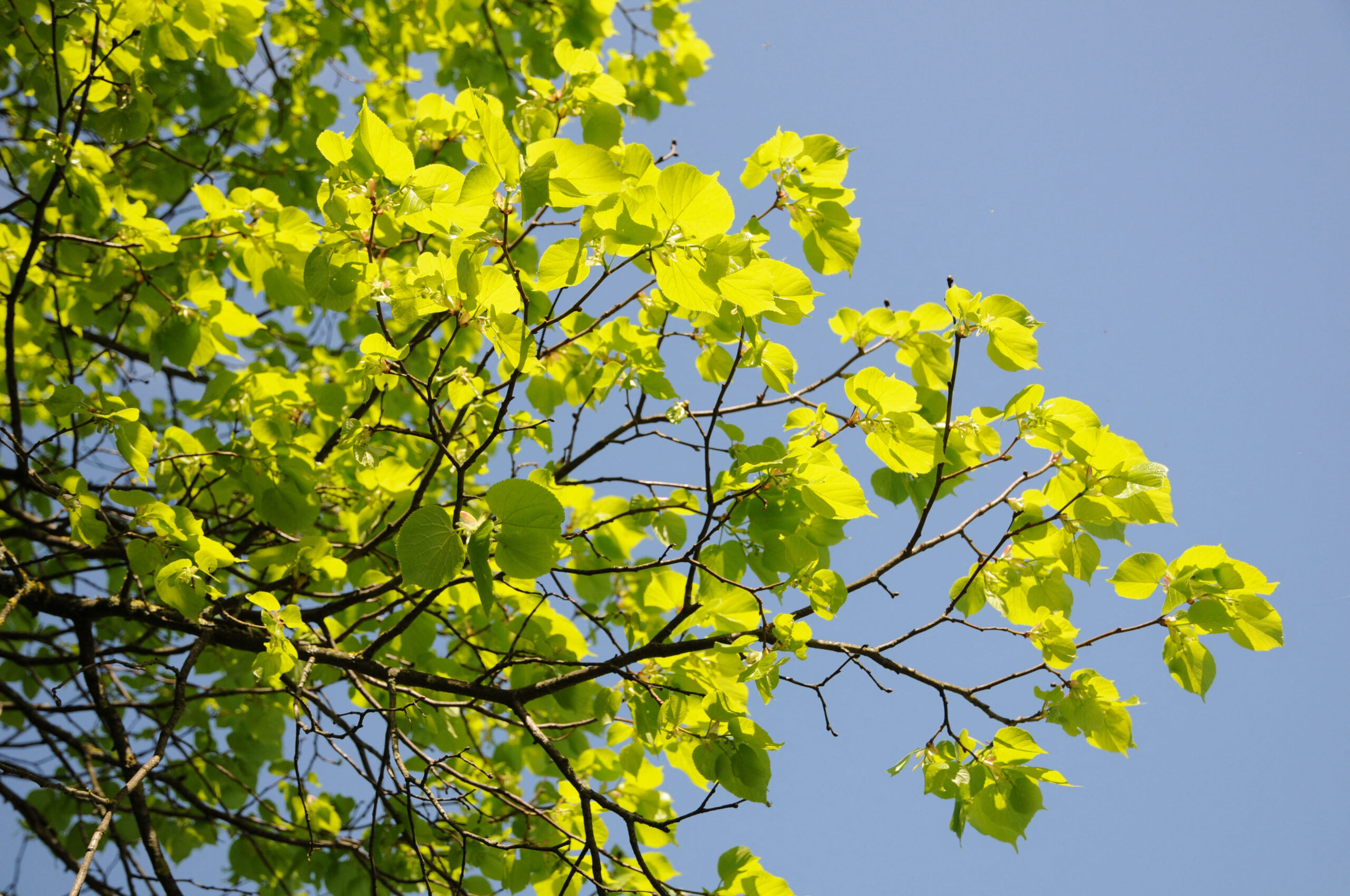
Tilia europaea ‘Pallida’
€450.00
Description
Quick Facts
Common Name: Kaiser Linden, European Lime ‘Pallida’
Botanical Name: Tilia europaea ‘Pallida’
Plant Type: Deciduous ornamental tree
Supplied Height: 125–150cm
Mature Height: 20–30m (slow to moderate growth rate)
Mature Spread: 10–15m
Flowering Period: June to July
Flower Colour: Pale yellow, intensely fragrant
Foliage Colour: Bright pale green in spring; rich green through summer; yellow in autumn
Hardiness: RHS H7 (very hardy throughout UK and Ireland)
Soil Requirements: Moist, well-drained, fertile soil; tolerates most soil types
Aspect: Full sun to partial shade
Maintenance: Low
Description
Tilia europaea ‘Pallida’ — the Kaiser Linden — is one of the finest large ornamental trees available for British and Irish gardens, parks, and landscapes. With its strong, upright habit, broad pyramidal crown, and luminous pale green foliage, it is a tree of considerable elegance and real presence — the kind of specimen that defines a space and improves with every passing decade.
Through spring the fresh, pale green leaves emerge with a brightness that is distinctive even among limes — lighter and more luminous than the standard European lime, which gives ‘Pallida’ its cultivar name. Through summer the canopy deepens to a rich, full green before turning a warm yellow in autumn. In June and July the tree produces clusters of small pale yellow flowers with an intense, honeyed fragrance that carries widely on warm summer evenings — one of the most evocative and beloved scents of the British garden season.
Tolerant, adaptable, and entirely at home in the British climate, ‘Pallida’ handles urban conditions, exposed sites, and a wide range of soil types with equal composure. A long-lived, low-maintenance tree that asks for very little and delivers a great deal in return — year after year, decade after decade.
Caragh Garden Notebook
Planting:
Plant in autumn or early spring into moist, well-drained, fertile soil enriched with organic matter. ‘Pallida’ is tolerant of most soil types and aspects, but performs best in a reasonably open, sunny position where the canopy can develop freely. Allow generous space for the mature spread — this is a large tree that needs room to fulfil its potential. Stake securely at planting and keep the stake in place for the first two to three years until the tree is well anchored and established.
Soil Preparation:
Tolerates clay, loam, chalk, and sandy soils provided drainage is reasonable. Best in deep, fertile, moisture-retentive ground. Incorporate well-rotted organic matter at planting time to improve soil structure and support strong early establishment. Mulch around the base annually to retain moisture and maintain soil fertility through the growing season.
Watering:
Water consistently through the first two to three growing seasons while the roots establish. Once settled, Tilia europaea ‘Pallida’ is resilient and largely self-sufficient in normal British conditions, though watering during prolonged dry spells in the early years will support the best establishment and long-term health.
Feeding:
A balanced slow-release fertiliser applied in early spring will support healthy growth in young trees. An annual mulch of well-rotted organic matter around the base feeds the soil gradually and maintains good growing conditions through the season. Established trees require very little supplementary feeding.
Pruning:
Very little pruning is required — ‘Pallida’ develops its naturally upright, pyramidal form without significant intervention. Remove any dead, damaged, or crossing branches in late autumn or early winter when fully dormant. Any formative pruning to establish a clean trunk and well-spaced branch structure is best carried out in the first few years while the tree is young and responsive.
Pests & Problems:
Generally trouble-free. Lime trees can occasionally be affected by aphids — particularly lime aphid — which produce a sticky honeydew. In most cases this is manageable and does not significantly affect the long-term health of an established tree. Position away from parked vehicles or garden furniture where honeydew drip could be a nuisance.
Design Notes:
‘Pallida’ is a tree for the long term — a considered planting that will define a garden, avenue, or landscape for generations. Its strong, upright habit and broad pyramidal crown suit formal avenue plantings beautifully, where repeated specimens create a magnificent seasonal corridor of fresh pale green in spring and warm yellow in autumn. As a standalone specimen in a large lawn or parkland setting, the full form and fragrant summer flowering can be appreciated from every angle. The pale green foliage is particularly effective when planted against a dark backdrop — a line of yew, a dense woodland edge, or a dark stone wall all set the luminous spring canopy off to maximum effect. For a large ornamental tree with genuine presence, seasonal interest across all four seasons, and a summer fragrance that is simply unmatched, *Tilia europaea* ‘Pallida’ is one of the finest choices available.
Additional information
| Size | 45L 1.8 stem, 12-14cm girth, 4 tiers 150x120H espalier |
|---|
Related products
-
Cordyline Charlie Boy
€25.00 Select options This product has multiple variants. The options may be chosen on the product page -
Geranium Wargrave Pink
€8.50 Select options This product has multiple variants. The options may be chosen on the product page -

Nandina Blush Pink
€15.00 Select options This product has multiple variants. The options may be chosen on the product page -
Geranium phaeum Samobor
€8.50 Select options This product has multiple variants. The options may be chosen on the product page