

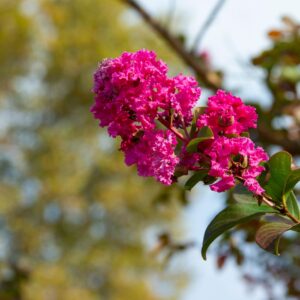
Lagerstroemia indica
€45.00
Frequently Bought Together

Description
Quick Facts
- Botanical Name: Lagerstroemia indica
- Common Name: Crape Myrtle
- Plant Type: Deciduous flowering shrub / small tree
- Habit: Upright, branching; can be grown as a multi-stem shrub or trained as a small tree
- Height (approx.): 2–4m (slower in cooler climates; depends on variety and siting)
- Spread (approx.): 1.5–3m
- Flowering: Mid to late summer into early autumn (best in warmth)
- Flower Colour: Varies by variety (pink, magenta, red, lavender, white)
- Autumn Colour: Often excellent — reds, oranges, and golds
- Bark: Smooth, peeling/mottled bark on mature plants (a winter feature)
- Position: Full sun; warm, sheltered spot essential
- Soil: Fertile, moisture-retentive but free-draining
- Hardiness: Hardy in mild, sheltered Irish/UK gardens; best in a courtyard or against a warm wall
- Best For: Courtyards, sunny patios, feature planting, late-season colour, Mediterranean-style gardens
Description
If you’ve ever wanted a plant that makes late summer feel like a second spring, Lagerstroemia indica is it.
Crape myrtle is loved for its ruffled, crepe-paper flowers that arrive when so many shrubs are winding down. In the right spot, it flowers generously through late summer, then follows with glowing autumn colour — and, as it matures, develops that beautiful, smooth, peeling bark that looks quietly sculptural in winter.
It’s a plant with real “holiday garden” energy — but it’s also surprisingly elegant, and a brilliant choice for a sunny courtyard or a warm, sheltered border.
Caragh Garden Notebook
Where to plant it (warmth matters)
In Ireland and the UK, crape myrtle needs the best microclimate you can give it:
In Ireland and the UK, crape myrtle needs the best microclimate you can give it:
- Full sun
- Shelter from cold winds
- Ideally near a south- or west-facing wall or in a courtyard that holds heat
The warmer the spot, the better the flowering.
Soil & drainage
It likes soil that’s fertile and holds some moisture, but it must drain freely. Add compost at planting time, and avoid cold, waterlogged ground.
It likes soil that’s fertile and holds some moisture, but it must drain freely. Add compost at planting time, and avoid cold, waterlogged ground.
Watering
- Water regularly while establishing, especially in its first summer.
- Once settled, it’s fairly resilient, but flowering is best when it doesn’t dry out completely in prolonged warm spells.
Feeding
A spring feed and a mulch of compost will support strong growth and better flowering. Avoid high-nitrogen feeds (too much leafy growth, fewer flowers).
A spring feed and a mulch of compost will support strong growth and better flowering. Avoid high-nitrogen feeds (too much leafy growth, fewer flowers).
Pruning
Pruning depends on how you want it to grow (shrub vs small tree), but in general:
Pruning depends on how you want it to grow (shrub vs small tree), but in general:
- Prune in late winter/early spring to shape and encourage strong new flowering growth.
- Remove any weak, crossing, or congested stems to keep the centre open.
Winter care
Young plants appreciate shelter while they establish. A mulch around the base helps protect roots, and a warm position reduces the risk of dieback in harsh winters.
Young plants appreciate shelter while they establish. A mulch around the base helps protect roots, and a warm position reduces the risk of dieback in harsh winters.
Design notes
- Beautiful with lavender, rosemary, salvias, grasses, and Mediterranean planting
- Stunning as a feature in a gravel garden with stone and terracotta
- A perfect “late-season hero” near seating areas where you’ll actually notice it
Related products
-
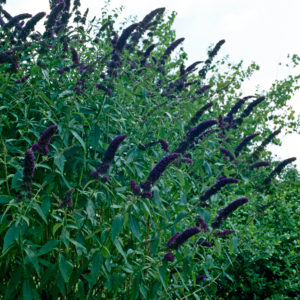
Buddleja Black Knight
€12.50 Select options This product has multiple variants. The options may be chosen on the product page -
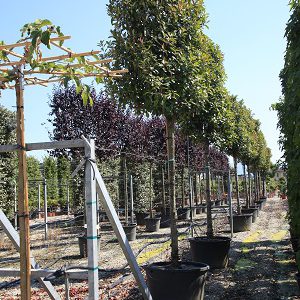
Photinia Red Robin Standard Pleached / Espalier
Price range: €390.00 through €550.00 Select options This product has multiple variants. The options may be chosen on the product page -
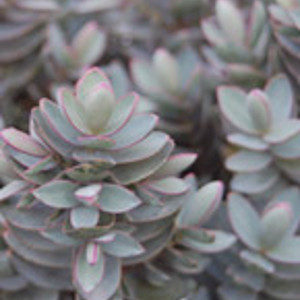
Hebe ‘Red Edge’
€8.50 Select options This product has multiple variants. The options may be chosen on the product page -
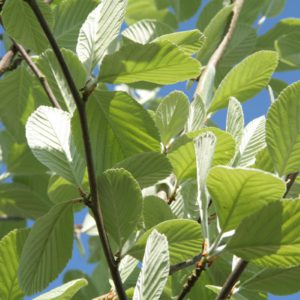
Sorbus aria Lutescens / Whitebeam
€520.00 Select options This product has multiple variants. The options may be chosen on the product page