

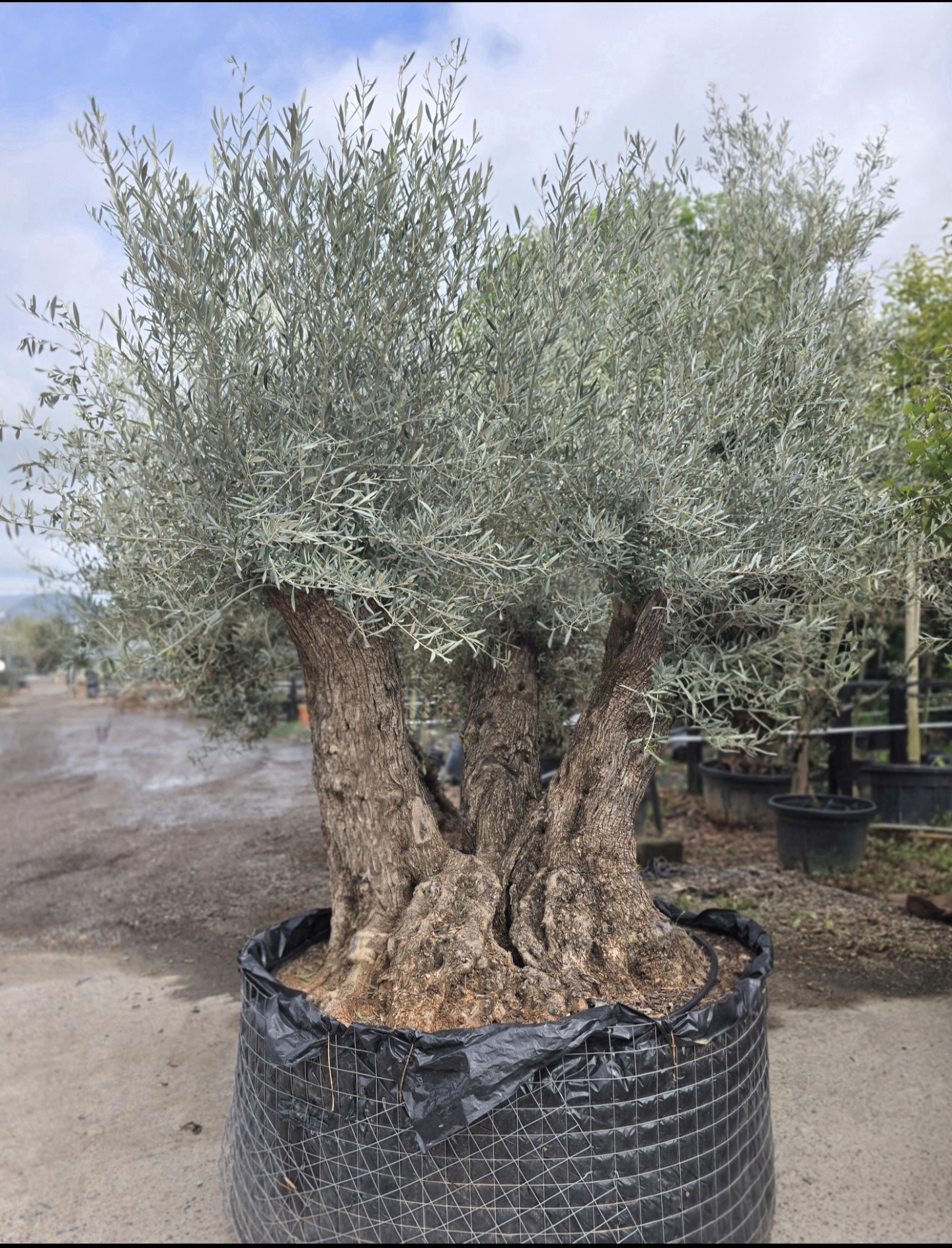
Olea europaea / Mature Gnarled Olive Tree — Multi-Stem (3-Stem Specimen)
€3,500.00
Frequently Bought Together

Description
Why we love it
A mature multi-stem olive has a completely different presence to a single-trunk tree — it feels sculptural, layered, and instantly established. With silvery foliage that shimmers in the light and a strong architectural framework, it brings that calm Mediterranean mood while still feeling perfectly at home in Irish and UK gardens.
Size
- Overall height: approx. 3–3.5m
- Form: Mature 3-stem multi-stem specimen
- Trunk character: three substantial, time-worn stems with deep texture and movement
- Please note: Each specimen is unique — shape, spacing between stems, and canopy density will vary.
Best for
- A statement focal point in a courtyard or gravel garden
- Anchoring a large border where you want instant maturity and structure
- Creating a Mediterranean feel alongside stone, corten, and pale paving
- High-impact planting in large gardens, hotels, restaurants, and commercial spaces
- A “forever tree” that makes a space look finished from day one
Growing conditions
Olives love sun and sharp drainage. In Ireland and the UK, a sheltered position (out of cold, drying winds) will always give the best results. The key to success is avoiding waterlogged roots over winter — especially important for large specimens.
What makes this batch special
This is the kind of olive you buy for the trunks. Three mature stems rise from a powerful base, each one thick, textured and beautifully weathered — the sort of character that can’t be rushed, and that gives the tree an instant “old soul” presence in the garden.
Caragh’s Garden Notebook
Planting (in the ground):
Choose the sunniest, most sheltered spot you have. Dig a wide hole (wider than deep), and improve heavy soil with grit to ensure excellent drainage. Plant at the same level as it was in the container/rootball, firm in well, and water thoroughly. Stake if needed in exposed sites while it settles.
Choose the sunniest, most sheltered spot you have. Dig a wide hole (wider than deep), and improve heavy soil with grit to ensure excellent drainage. Plant at the same level as it was in the container/rootball, firm in well, and water thoroughly. Stake if needed in exposed sites while it settles.
Planting (in a pot):
For a specimen of this size, we generally recommend planting into the ground where possible. If it must be potted, use a very large, heavy container with exceptional drainage and a free-draining mix (quality compost plus grit). Raise the pot slightly on feet to help winter drainage.
For a specimen of this size, we generally recommend planting into the ground where possible. If it must be potted, use a very large, heavy container with exceptional drainage and a free-draining mix (quality compost plus grit). Raise the pot slightly on feet to help winter drainage.
Watering:
Water regularly for the first season while it establishes. Once settled, olives are drought-tolerant in the ground, but they’ll still appreciate deep watering during prolonged dry spells. In containers, check frequently in warm weather.
Water regularly for the first season while it establishes. Once settled, olives are drought-tolerant in the ground, but they’ll still appreciate deep watering during prolonged dry spells. In containers, check frequently in warm weather.
Feeding:
Feed in spring and early summer with a balanced fertiliser (or a specialist olive feed). Avoid feeding late in the season, which can encourage soft growth going into winter.
Feed in spring and early summer with a balanced fertiliser (or a specialist olive feed). Avoid feeding late in the season, which can encourage soft growth going into winter.
Pruning & shaping:
Olives respond best to gentle, thoughtful pruning. In late spring/summer, remove any dead, crossing, or inward-growing growth to keep the canopy open and airy. Light shaping is all that’s needed to maintain a balanced outline.
Olives respond best to gentle, thoughtful pruning. In late spring/summer, remove any dead, crossing, or inward-growing growth to keep the canopy open and airy. Light shaping is all that’s needed to maintain a balanced outline.
Winter care (Ireland & UK):
Wet roots and cold winds are the main risks. Prioritise drainage, and choose a sheltered spot. In very exposed areas, consider wind protection while the tree establishes.
Wet roots and cold winds are the main risks. Prioritise drainage, and choose a sheltered spot. In very exposed areas, consider wind protection while the tree establishes.
Pests & problems:
Generally resilient. Keep an eye out for scale insects on stems (more common on sheltered patio plants). Good airflow and correct watering prevent most issues.
Generally resilient. Keep an eye out for scale insects on stems (more common on sheltered patio plants). Good airflow and correct watering prevent most issues.
Related products
-
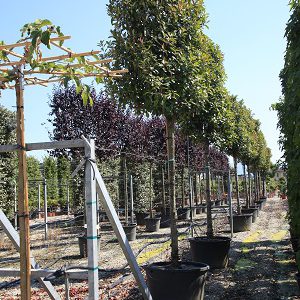
Photinia Red Robin Standard Pleached / Espalier
Price range: €390.00 through €550.00 Select options This product has multiple variants. The options may be chosen on the product page -

Abies nordmanniana Bonsai
€2,800.00 Select options This product has multiple variants. The options may be chosen on the product page -

Quercus rysophylla / Loquat oak
€3,300.00 Select options This product has multiple variants. The options may be chosen on the product page -
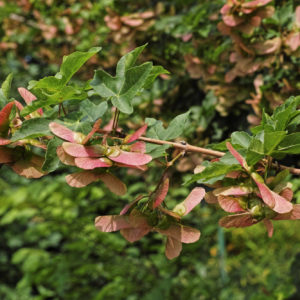
Acer campestre / Field Maple
€450.00 Select options This product has multiple variants. The options may be chosen on the product page