

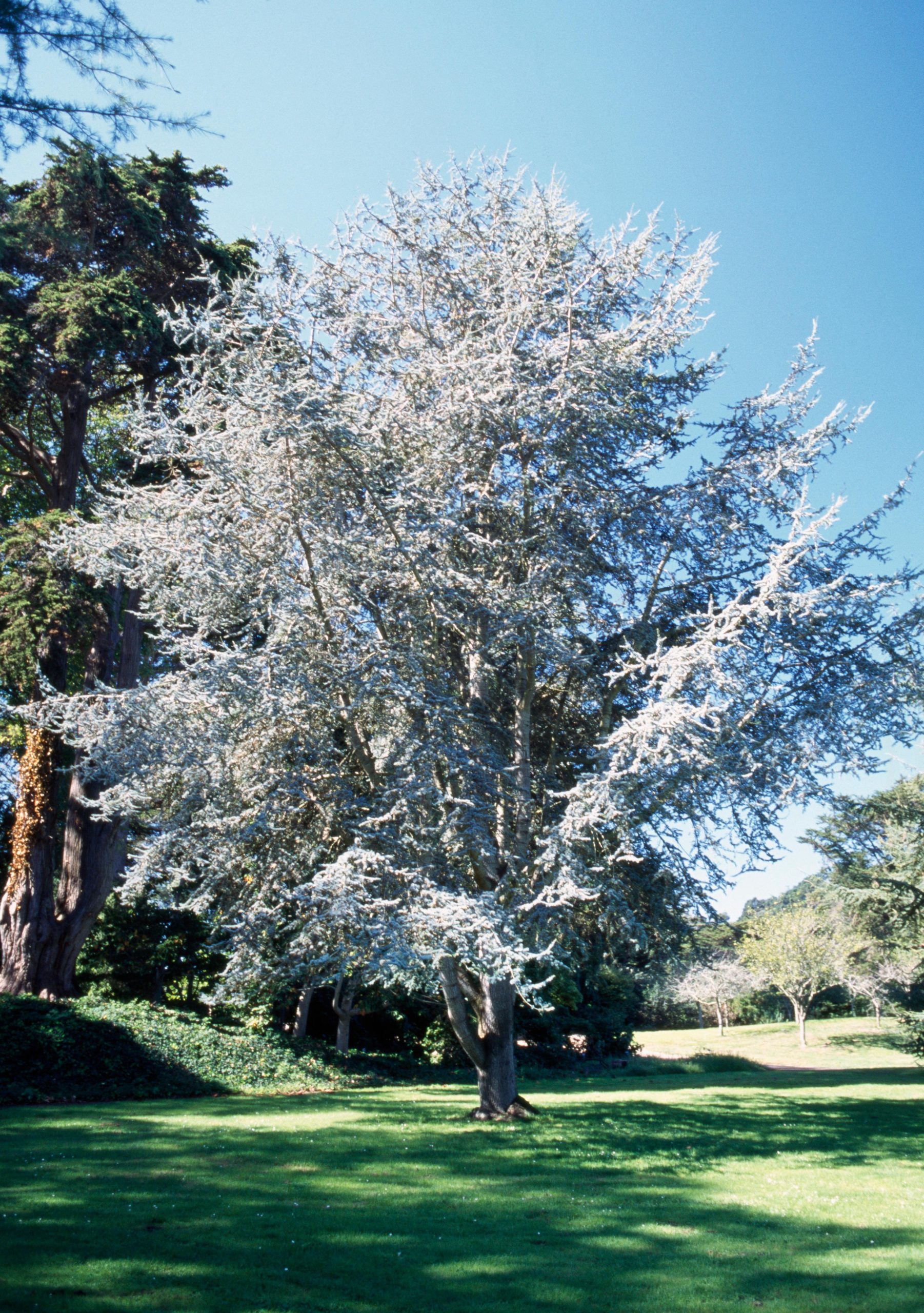

Cedrus atlantica Glauca
Price range: €240.00 through €1,500.00
Frequently Bought Together
Description
A true statement conifer with striking steel-blue needles and a bold, architectural shape. Blue Atlas Cedar brings year-round structure and colour, and only gets better with age — a “plant it once, love it for decades” kind of tree.
What it looks like
Blue-green to silvery-blue needles held in dense clusters along strong, sweeping branches. When young it’s more upright and conical; with time it develops a broader, more sculptural silhouette with characterful, layered limbs.
Blue-green to silvery-blue needles held in dense clusters along strong, sweeping branches. When young it’s more upright and conical; with time it develops a broader, more sculptural silhouette with characterful, layered limbs.
Quick Facts
- Botanical name: Cedrus atlantica ‘Glauca’
- Common name: Blue Atlas Cedar
- Plant type: Evergreen conifer tree
- Ultimate size: Large (allow generous space)
- Growth rate: Moderate
- Foliage: Steel-blue evergreen needles
- Flowers/cones: Upright cones (decorative rather than showy)
- Hardiness: Very hardy in Ireland & the UK once established
- Best position: Full sun (best colour), sheltered from harsh coastal winds
- Soil: Well-drained soil; avoid waterlogged ground
Where to plant it
Perfect as a feature tree in a lawn, a centrepiece in a gravel garden, or to anchor a large border where you want year-round structure. Give it breathing room so the shape can be appreciated from all sides.
How to care for it (Caragh Garden Notebook)
- Watering: Water well in the first 1–2 growing seasons, especially during dry spells. Once established it’s fairly drought-tolerant.
- Feeding: A spring mulch (well-rotted compost or bark) is usually enough.
- Pruning: Minimal. Remove only dead/damaged wood; best done late winter/early spring.
- Staking: Larger specimens may benefit from staking for the first year in windy sites.
- Top tip: The bluer the position (and the better the drainage), the better the colour — full sun is your friend here.
Good to know
Blue Atlas Cedar is long-lived and can become substantial over time, so it’s best suited to medium-to-large gardens. If you’re working with a smaller space, consider using it as a focal point only if you can commit to giving it room as it matures.
Pairs beautifully with
- Soft, airy grasses (e.g. Stipa tenuissima) for movement against the bold form
- Silver and grey foliage plants (lavender, artemisia) to echo the blue tones
- Deep greens (yew, holly, evergreen hedging) for contrast
Need help choosing the right spot?
Additional information
Related products
-
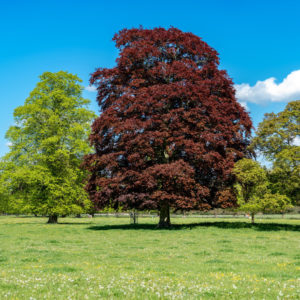
Fagus syl. Atropurpurea / Purple Beech Tree
Price range: €225.00 through €500.00 Select options This product has multiple variants. The options may be chosen on the product page -
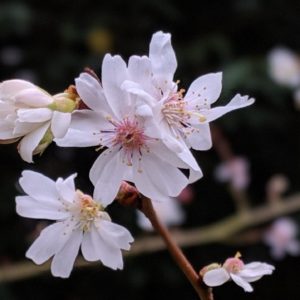
Prunus x subhirtella Autumnalis Rosea / Winter Pink Cherry
Price range: €75.00 through €950.00 Select options This product has multiple variants. The options may be chosen on the product page -
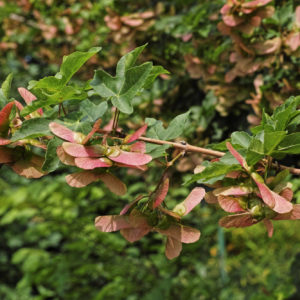
Acer campestre / Field Maple
€450.00 Select options This product has multiple variants. The options may be chosen on the product page -
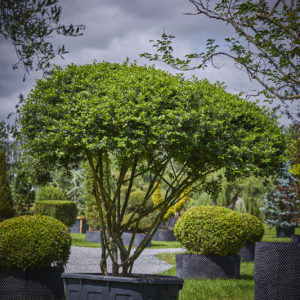
Ilex Blue Princess Parachute form
€1,800.00 Select options This product has multiple variants. The options may be chosen on the product page