

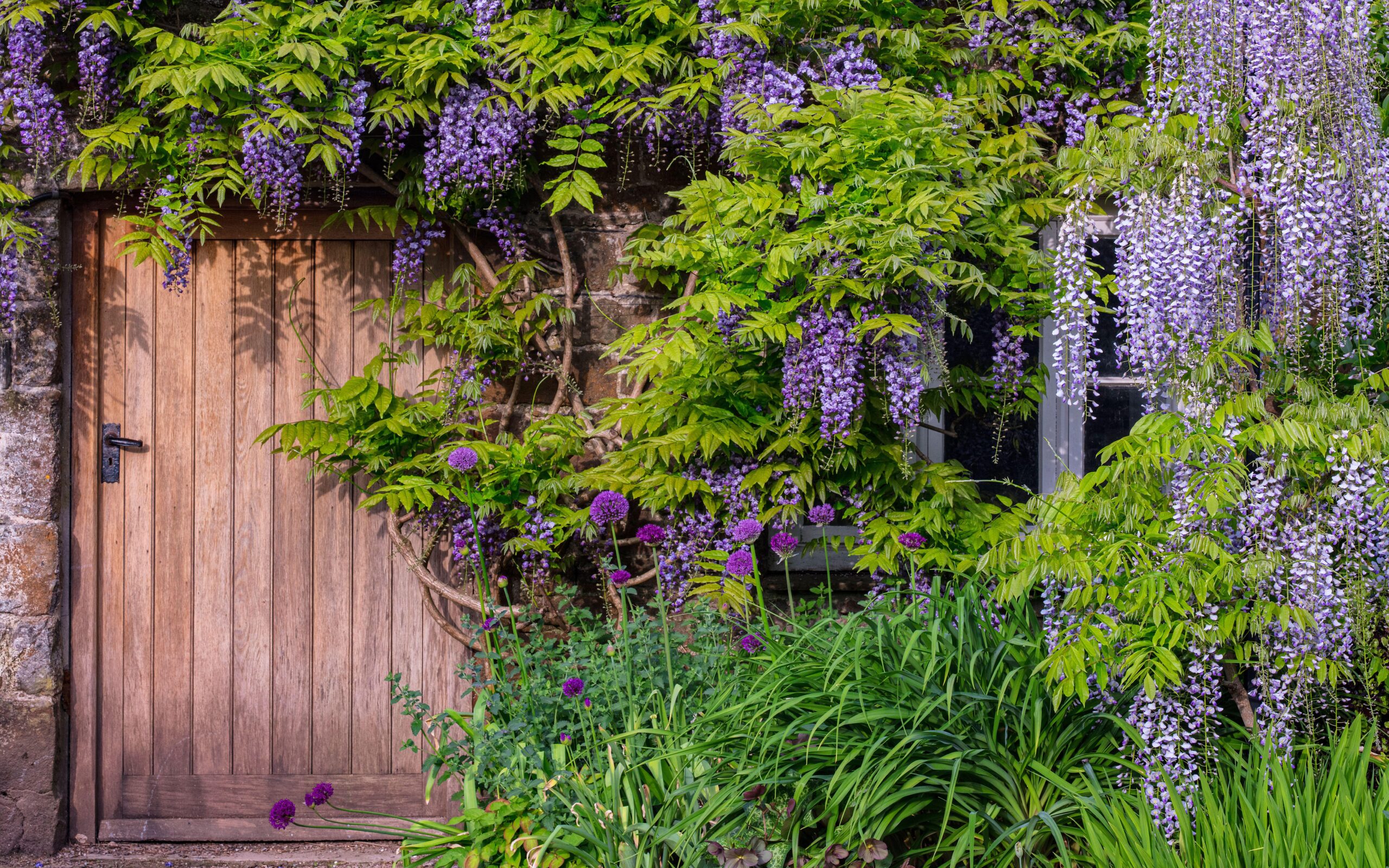
Wisteria ‘Burford’
€75.00
Description
If there is one plant that can stop you in your tracks in late spring, it is a Wisteria in full flower — and ‘Amethyst’ is one of the most beautiful of them all. Long, cascading racemes of rich violet-blue blooms, flushed with deep red-purple at the base, pour from the stems in May in a display that is nothing short of breathtaking. The fragrance is powerful and sweet, carrying across the garden on warm air, and the bees find it before almost anything else.
This is a plant with real presence. Vigorous, generous, and only getting better with age — give it a strong pergola, a sunny wall, or a sturdy arch and watch it transform the space completely over the years.
Wisteria rewards patience. The first few years are about establishment and training — but once it finds its rhythm, the flowering display builds season by season into something truly spectacular.
Quick Facts
– Plant type: Deciduous climbing shrub
– Flowers: Rich violet-blue with a red-purple flush — dense hanging racemes of 25–30cm, powerfully fragrant
– Position: Full sun for the best flowering display — a warm, south or west-facing wall is ideal
– Soil: Moist, well-drained, moderately fertile
– Hardiness: Fully hardy
– Eventual size: 7–8m+ with support — kept smaller with regular pruning
– Support needed: Robust pergola, trellis, or wall wires — strong fixings essential, this plant gets heavy
– Best for: Pergolas, house walls, arches, feature entrances, boundary walls
Caragh Garden Notebook
‘Amethyst’ is a classic Chinese Wisteria with one of the richest flower colours available — that deep violet-blue with its distinctive red flush is something quite special in the late spring garden, and the fragrance is the kind that stays with you.
It grows vigorously — up to 7–8m — and its stems twine anticlockwise as they climb, which is worth knowing when you are training it onto a support in the early years. Guide the main stems in the direction they want to go and they will get on with it happily.
After the flowers fade, attractive bean-like seed pods form along the stems and carry interest through the summer months.
Caragh tip — the one that matters: Prune twice a year without fail. In summer, cut the long new shoots back to five or six leaves. In winter, cut those same shoots back again to two or three buds. It sounds involved, but once you get into the rhythm it takes very little time — and it is the single thing that makes the difference between a plant that flowers generously and one that simply grows.
Additional information
| Pot Size |
|---|
Related products
-

Carpinus betulus Fastigiata / Upright Hornbeam
Price range: €180.00 through €750.00 Select options This product has multiple variants. The options may be chosen on the product page -
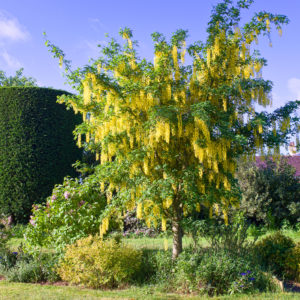
Laburnum x watereri Vossii / Golden Rain Tree
Price range: €245.00 through €580.00 Select options This product has multiple variants. The options may be chosen on the product page -
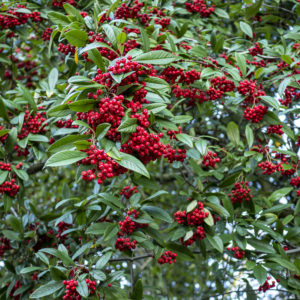
Cotoneaster ‘Cornubia’
Price range: €220.00 through €320.00 Select options This product has multiple variants. The options may be chosen on the product page -
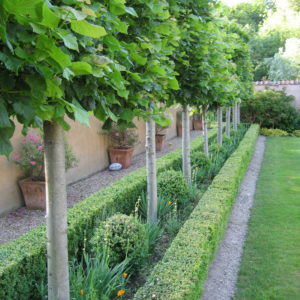
Pyrus Chanticleer Espalier
Price range: €440.00 through €450.00 Select options This product has multiple variants. The options may be chosen on the product page