

Prunus spinosa / Blackthorn
€1.80
60-100cm bare-root
Frequently Bought Together
Description
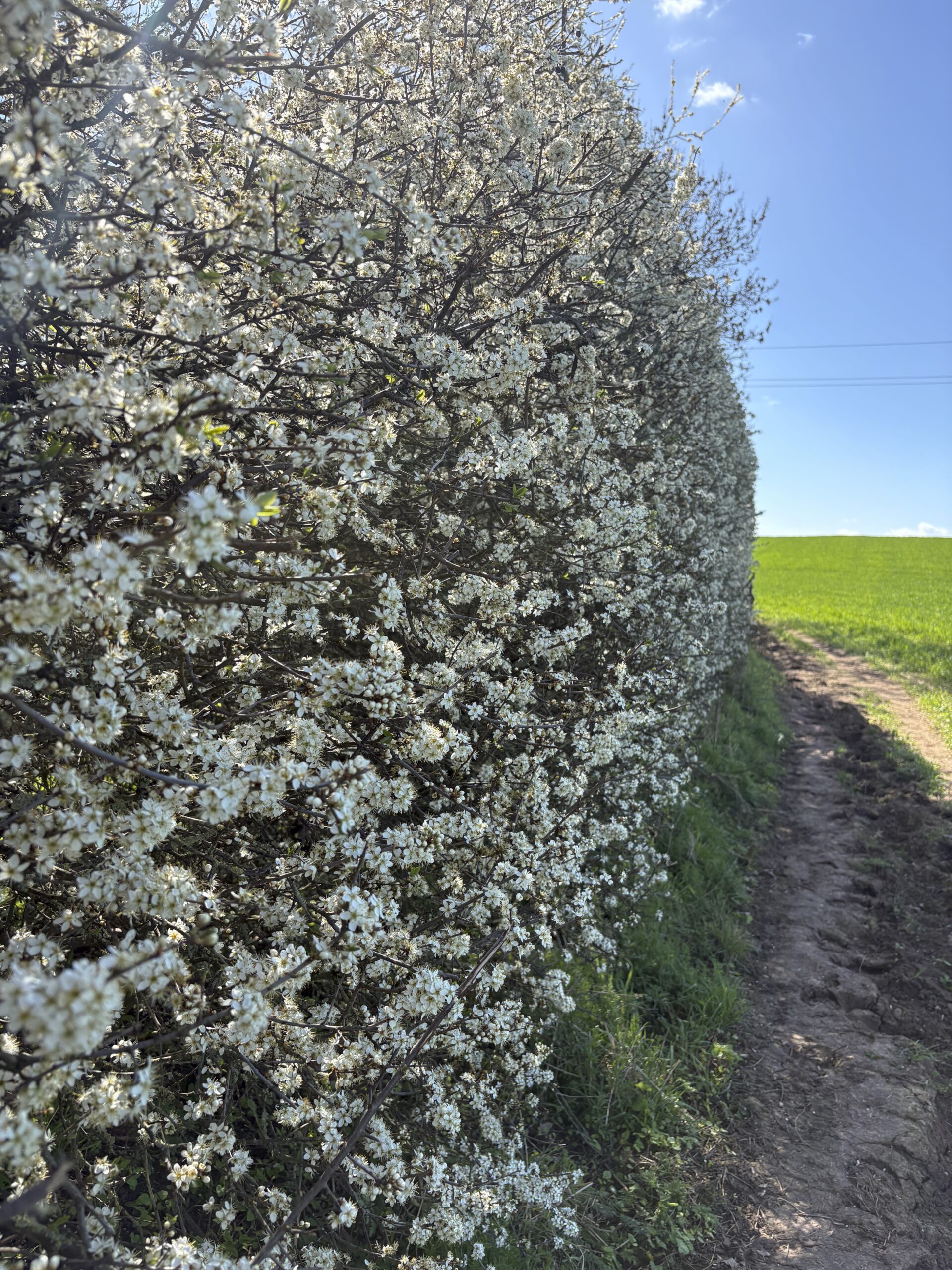
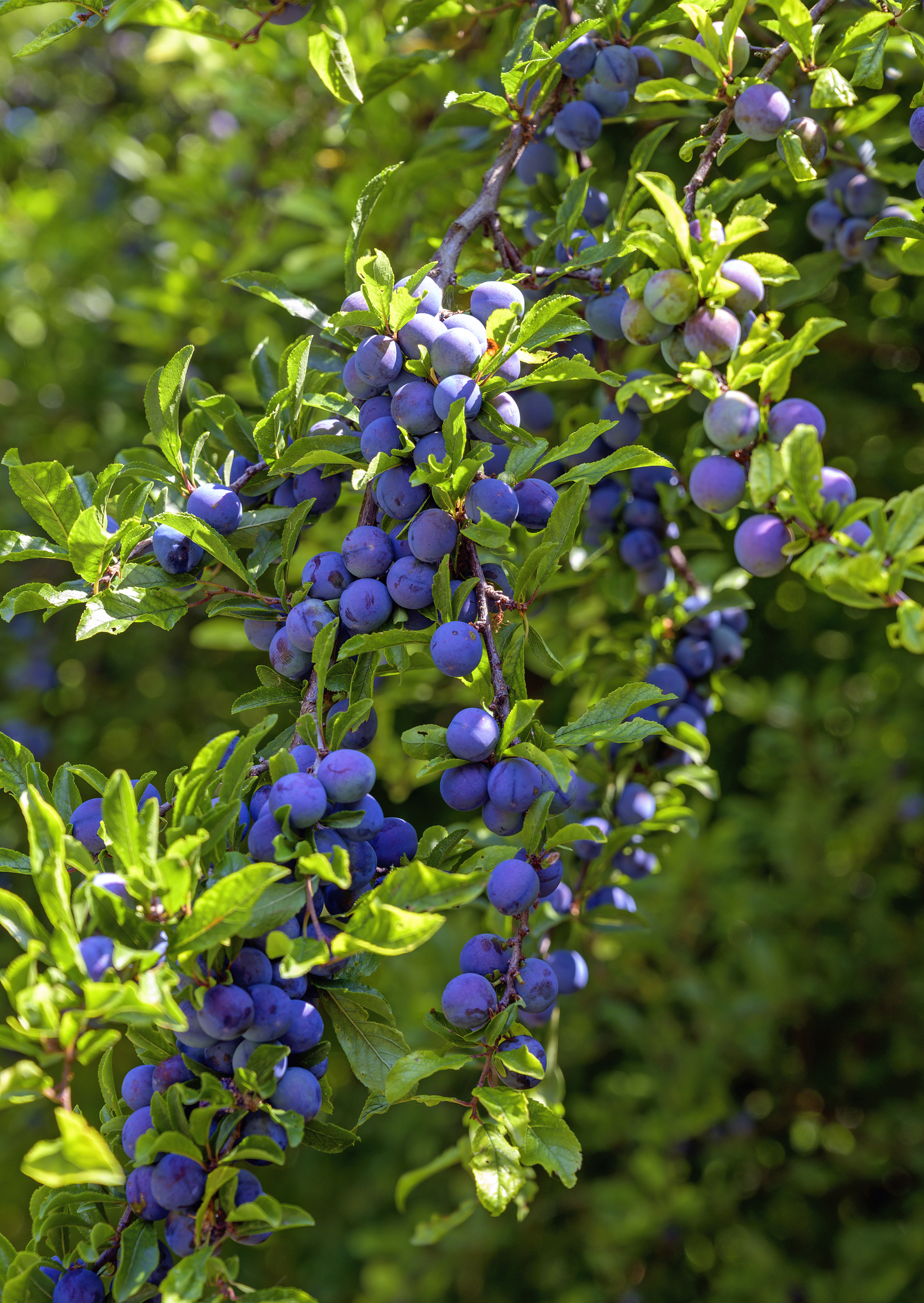
A proper countryside classic. Blackthorn is the backbone of traditional field boundaries—tough, thorny, wildlife-rich, and brilliantly resilient in exposed, rural settings. Supplied at 60–80cm, it’s ideal for creating a dense, stock-proof hedge that thickens up beautifully with time (and rewards you with clouds of white spring blossom and sloes in autumn).
Why you’ll love it
- Brilliant for rural/field hedging — hardy, wind-tolerant and dependable
- Naturally dense & thorny — great for boundary definition and deterrence
- Wildlife hero — early blossom for pollinators; berries for birds
- Traditional Irish/UK hedgerow look — instantly feels “right” in the landscape
Quick Facts
- Botanical name: Prunus spinosa
- Common name: Blackthorn
- Type: Native hedging shrub
- Supplied height: 60–80cm
- Best for: Field boundaries, rural hedging, shelterbelts, wildlife hedges
- Growth rate: Medium (fast to bulk up when planted as a hedge and clipped well)
- Position: Full sun to partial shade
- Soil: Most soils, including heavier ground once established (avoid waterlogged sites)
- Hardiness: Very hardy
Caragh Garden Notebook
If you’re planting a hedge that needs to earn its keep, Blackthorn is one of the best. It’s naturally twiggy and thorny, so it fills out into a dense, interwoven barrier—ideal for rural gardens, farm boundaries, and anywhere exposed to wind.
In spring, it’s one of the earliest hedgerow plants to flower, dusting itself in tiny white blossom before the leaves appear. Later in the year, it forms dark sloes—beautiful in the hedge and invaluable for wildlife.
Top tip: For the thickest hedge, plant in a staggered double row and trim lightly after establishment to encourage branching from the base.
Planting & Aftercare (simple and practical)
- Planting time: Best planted during the dormant season (autumn to early spring)
- Watering: Water well after planting; keep an eye on the first growing season in dry spells
- Feeding: A mulch of compost/manure around the base helps establishment (keep off the stems)
- Pruning: Light trims encourage a dense, bushy hedge—don’t let it race upwards too quickly
Perfect partners (for a mixed native hedge)
For a more natural, wildlife-rich boundary, mix with:
- Hawthorn (Crataegus monogyna)
- Hazel (Corylus avellana)
- Holly (Ilex aquifolium)
- Dog rose (Rosa canina)
Additional information
| Pot Size |
|---|
Related products
-
Betula Jacquemontii / Himalayan Birch
Price range: €575.00 through €600.00 Select options This product has multiple variants. The options may be chosen on the product page -
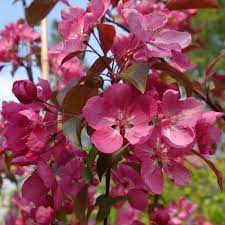
Malus Rudolph / Crab apple Rudolph
€75.00 Select options This product has multiple variants. The options may be chosen on the product page -
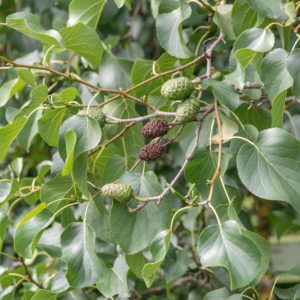
Alnus cordata / Italian Alder
Price range: €500.00 through €550.00 Select options This product has multiple variants. The options may be chosen on the product page -
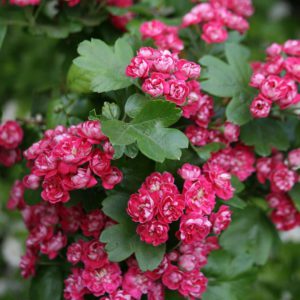
Crataegus Pauls Scarlet / Red Hawthorn
Price range: €45.00 through €240.00 Select options This product has multiple variants. The options may be chosen on the product page