

Hydrangea macrophylla Ankong® Pink
€25.00
Frequently Bought Together

Description
Quick Facts
– Botanical Name: Hydrangea macrophylla Ankong® Pink
– Common Name: Pink Mophead Hydrangea
– Plant Type: Hardy deciduous shrub
– Mature Height: Up to 1m
– Mature Spread: Up to 1m
– Flowering Period: July to September
– Flower Colour: Pale pink in July, deepening to a richer mid-pink by September
– Foliage Colour: Mid-green, deciduous
– Aspect: Partial sun to part shade
– Soil: Moist, free-draining
– Hardiness: Hardy in Ireland & the UK
– Maintenance: Low
Description
Hydrangea macrophylla Ankong® Pink opens its season gently — soft, pale pink mophead flowers emerging in July with an almost blushed, delicate quality — and then deepens as summer progresses, building to a richer, more confident mid-pink by September. It’s a colour journey that gives the plant a different character at the beginning and end of the season, and one that rewards those who pay attention to how a border changes through the months rather than looking for a single fixed moment.
Compact and well-proportioned at 1m in both height and spread, it sits comfortably in a mixed border without overreaching its neighbours. Generous in flower, easy in temperament, and reliably hardy — this is a mophead hydrangea that earns its place season after season with very little asked in return.
Caragh Garden Notebook
Planting:
Plant in spring or autumn into moist, free-draining soil enriched with plenty of organic matter. Unlike blue mophead varieties, Ankong® Pink requires no ericaceous compost — neutral to slightly alkaline soils will actually help maintain and enhance the pink tones. In more acidic soils, the flowers may take on a slightly mauve or lilac cast, which can be beautiful but differs from the clear pink the variety is known for. Water in thoroughly after planting and mulch well around the base to retain moisture through the first season.
Watering:
Water generously and regularly through the first season and during dry spells once established. Hydrangeas love a thorough drink but must never sit in waterlogged conditions — free-draining soil is essential. In containers, check moisture levels frequently through summer, particularly in warm or windy weather when the compost can dry out quickly. Water thoroughly each time rather than little and often, and allow excess water to drain away freely from the base of the pot.
Feeding:
Apply a balanced slow-release fertiliser in spring as new growth begins to emerge. In containers, feed monthly through the growing season with a balanced liquid fertiliser. Avoid high-potassium or ericaceous feeds, which can push the flower colour towards blue or mauve — a general balanced feed is all that’s needed to keep Ankong® Pink looking its best. A spring mulch of well-rotted compost around the base in the ground will supplement feeding and help maintain moisture levels.
Pruning:
Ankong® Pink flowers on the previous year’s wood — so the same rule applies as for all macrophylla hydrangeas: prune with restraint. In spring, remove spent flower heads back to the first strong pair of buds beneath, and clear out any dead or very weak stems from the base. Avoid cutting back hard into old wood unless you are renovating a genuinely overgrown plant. Old flower heads left on through winter offer some protection to the buds below and are worth keeping until new growth begins to show in spring.
Seasonal Care:
The pale early flowers can occasionally be susceptible to late spring frost damage in exposed positions — a sheltered spot or proximity to a wall provides useful protection while the plant is young. Once established it becomes considerably more resilient. No further intervention is needed through the growing season beyond consistent watering; the plant will manage its own flowering and form without assistance.
Pests & Problems:
Generally trouble-free. As with all hydrangeas, waterlogged soil is the most common cause of poor performance — good drainage at planting is the most reliable preventative measure. Vine weevil can occasionally affect container-grown specimens; treat with a biological nematode drench in late summer if you’ve experienced problems. In very sunny or exposed positions, flowers may bleach and go over quickly — partial shade gives the best colour and the longest flowering season.
Design Notes:
The changing pink of Ankong® — pale and blushed in July, deeper and more saturated by September — makes it a particularly interesting companion for late-season planting. The early pale pink works beautifully alongside whites, creams, and silvers; the deeper September tones sit well with warm plum and burgundy perennials as the season turns. Plant alongside white astrantias, silvery-leaved hostas, or soft purple salvias for a refined summer combination, or use it as a companion to Ankong® Blue for a paired planting of contrasting tones within the same compact, well-matched habit. Excellent for cutting at any stage — the flowers dry well and hold their colour reliably indoors.
Additional information
| Pot Size |
|---|
Related products
-

Digitalis purpurea / Foxgloves
€8.50 Select options This product has multiple variants. The options may be chosen on the product page -

Lupinus Gallery White
€8.50 Select options This product has multiple variants. The options may be chosen on the product page -

Hydrangea macrophylla Firewings
€25.00 Select options This product has multiple variants. The options may be chosen on the product page -
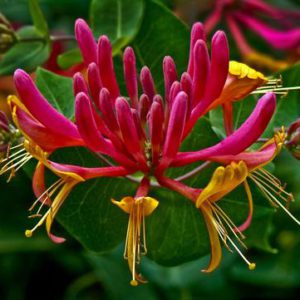
Lonicera American Beauty
€17.50 Select options This product has multiple variants. The options may be chosen on the product page