


Zelkova serrata
Price range: €320.00 through €600.00
Frequently Bought Together


Description
Quick Facts
- Botanical Name: Zelkova serrata
- Common Name: Japanese Zelkova
- Plant Type: Deciduous tree
- Foliage: Fresh green, serrated leaves; excellent autumn colour
- Autumn Colour: Yellow, orange, and warm copper tones (often a mix)
- Mature Size: Ultimately a large tree (size depends on form and years grown)
- Position: Full sun to light shade
- Soil: Fertile, well-drained soil; tolerant once established
- Hardiness: Fully hardy in Ireland & the UK
- Best For: Feature tree, avenue planting, larger gardens, parks, contemporary landscapes
Description
Zelkova serrata is one of those trees that brings a calm, confident presence to a space. In spring it leafs out with a clean, fresh green, forming a beautifully layered canopy that feels both architectural and natural—perfect if you love structure, but don’t want anything too formal or fussy.
Come autumn, it’s a real performer. The foliage shifts through glowing shades of yellow, amber, and copper, often all on the same tree, giving you that “stop and stare” moment just as the garden begins to soften into the season.
It’s also a brilliant choice if you like the look of an elm but want a more reliable, modern alternative. Planted as a specimen, it becomes a long-term anchor for a garden; planted in a line, it creates rhythm and shade with real elegance.
Why You’ll Love It
- Strong shape and structure—a tree with real presence
- Beautiful autumn colour that feels warm and natural
- A great elm alternative for classic, avenue-style planting
- Ideal for long-term landscaping (a true legacy tree)
- Works in both contemporary and traditional designs
Caragh Garden Notebook
- Planting: Choose a spot with room to grow—this is a tree that rewards space. Plant at the same depth as it was in the pot, firm in well, and water thoroughly.
- Watering: Water regularly for the first 1–2 seasons, especially in dry spells. Once established, it’s much more tolerant.
- Staking: Stake young trees in exposed areas for the first year or two to help them root strongly.
- Pruning: Minimal pruning needed—remove any dead, damaged, or crossing branches in winter while dormant.
- Design Tip: Give it a clean circle of mulch at the base and underplant with spring bulbs or shade-tolerant perennials as the canopy develops.
Perfect Partners
Underplant with snowdrops, crocus, alliums, or naturalising bulbs in spring; later, think ferns, geraniums, hostas, and woodland-style planting as shade increases
Related products
-
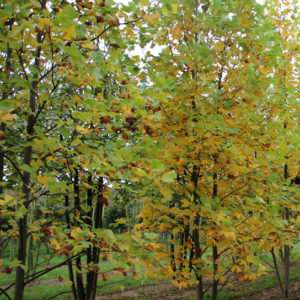
Liriodendron Tulipifera specimen multistem
€340.00 Select options This product has multiple variants. The options may be chosen on the product page -
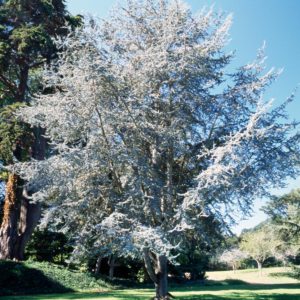
Cedrus atlantica Glauca
Price range: €240.00 through €1,500.00 Select options This product has multiple variants. The options may be chosen on the product page -
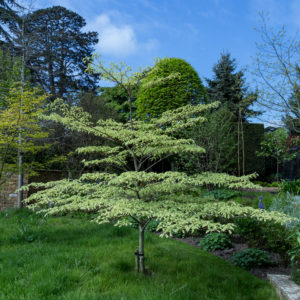
Cornus controversa Variegata / Wedding Cake Tree
Price range: €350.00 through €1,350.00 Select options This product has multiple variants. The options may be chosen on the product page -
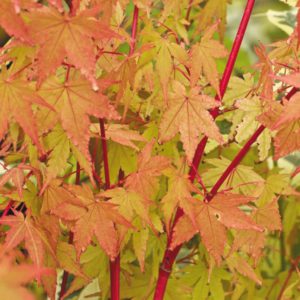
Acer palm. Sango Kaku
Price range: €600.00 through €660.00 Select options This product has multiple variants. The options may be chosen on the product page