


Verbena rigida Santos
€10.50
Frequently Bought Together



Description
Quick Facts
– Botanical Name: Verbena bonariensis (compact form)
– Common Name: Compact Purple Verbena / Dwarf Vervain
– Plant Type: Hardy perennial (often grown as short-lived; self-seeds)
– Mature Height: Approx. 60cm
– Mature Spread: Approx. 60cm
– Flowering Period: Early summer through to autumn — a long, generous season
– Flower Colour: Vibrant purple flowers carried on compact, dense green stems
– Habit: Compact, upright, dense — a smaller, sturdier relative of Verbena bonariensis
– Aspect: Full sun
– Soil: Free-draining; tolerant of drought and heat
– Hardiness: Hardy; a free-draining, sheltered position gives the best winter survival
– Maintenance: Very low
Description
This compact form of Verbena takes everything the famous Verbena bonariensis is loved for and concentrates it into a denser, sturdier, more manageable plant. Like its famous relative, it is renowned above all for its ability to draw butterflies and other pollinators to the garden — the vibrant purple flowers are a genuine magnet — but it adds practical virtues of its own: greater resistance to mildew, and a good tolerance of drought and heat.
The flowers are a clear, vivid purple, produced on compact, dense green stems from early summer right through to autumn, above a neat, sturdy frame that holds its shape without the height or the floppiness of the species. It brings the airy, pollinator-rich character of a tall verbena to a compact scale that suits the front of a border, containers, and gravel gardens alike — with the resilience to keep flowering through a hot, dry summer.
Vibrant, tough, and endlessly attractive to pollinators — the compact verbena without the height, and without the bother.
Caragh Garden Notebook
Planting:
Plant in spring or early autumn into free-draining soil in a position of full sun. This verbena genuinely wants a warm, sun-baked spot with sharp drainage — it tolerates drought and heat admirably and asks for very little beyond those two conditions. It is ideal in gravel gardens, sunny borders, containers, and along the edges of paving, where the free-draining conditions it loves are easily provided. Water in thoroughly after planting and allow it to establish; a well-drained, sunny position is also the single most important factor in its winter survival.
Watering:
Water consistently through the first growing season while the plant establishes. Once settled, this compact verbena has a genuinely good tolerance of drought and heat, requiring little or no supplementary watering in an Irish garden and performing best in warm, dry conditions. Avoid overwatering and waterlogged soil, which are far more of a threat to the plant than drought. In containers, water when the top of the compost dries, and ensure the pot drains freely.
Feeding:
Feed sparingly or not at all. Like the species, the compact form flowers at its best in lean, free-draining conditions; rich or heavily fed soil produces soft growth and reduced flowering. A very light balanced feed in spring is all that is needed, if anything, in most gardens. In containers, a very weak balanced liquid feed every few weeks through the growing season supports flowering without pushing soft growth and increasing the risk of mildew.
Pruning & Seasonal Care:
In late winter or early spring, cut the previous season’s stems down to the base to make way for the new season’s growth — the plant regenerates vigorously and will be in flower again by early summer. Both through its resistance to mildew and through its natural airy, dense habit, it is largely self-managing through the season; no further attention is needed beyond enjoying the flowers and the life they bring to the garden. Allow a few stems to set seed at the end of the season if you would like self-sown successors to weave through the garden.
Overwintering:
In mild, well-drained gardens this compact verbena overwinters reliably and behaves as a true perennial. In cold, wet, or exposed positions, it is safer to treat it as a short-lived perennial: allow self-seeded offspring, or keep a division in a sheltered spot through the hardest months, and it will continue in the garden year after year. A mulch of gravel over the crown in late autumn helps keep the base dry through winter.
Pests & Problems:
The main problems are designed out of this cultivar. It has a notably better resistance to mildew than the species — one of its great practical advantages — and a good tolerance of drought and heat. The most common cause of loss is winter wet rather than pests or disease; free-draining soil and a sheltered position are the most reliable preventatives. Aphids can occasionally appear in spring but rarely cause serious harm.
Design Notes:
The vivid purple of this compact verbena is one of the most effective colours in the late-season planting palette — it reads beautifully among grasses, floats above lower perennials, and pairs perfectly with the warm golds of rudbeckia and the silvers of Mediterranean planting. Use it in gravel gardens, where the free-draining conditions suit it perfectly and the purple flowers glow against the stone; weave it through a sunny border with ornamental grasses and late perennials; or grow it in containers on a sunny patio, where its compact, dense form and long flowering season make a fine pollinator-friendly display. Near a seating area especially, it creates constant moving life and colour through summer and autumn — a compact verbena that brings everything its tall relative is famous for, without the height and with better manners.
Related products
-
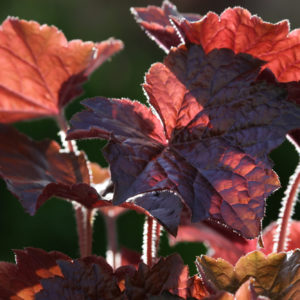
Heuchera Palace Purple
€10.50 Select options This product has multiple variants. The options may be chosen on the product page -
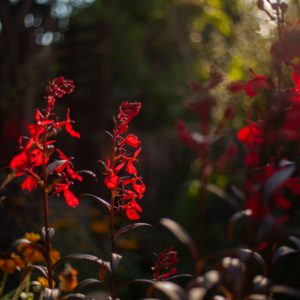
Lobelia cardinalis Queen Victoria
€8.50 Select options This product has multiple variants. The options may be chosen on the product page -
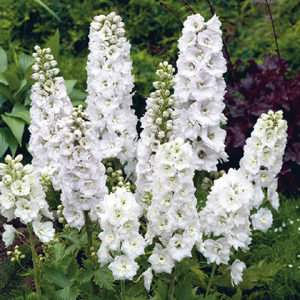
Delphinium Pure White
Price range: €8.50 through €25.00 Select options This product has multiple variants. The options may be chosen on the product page -

Verbena bonariensis Lollipop
€10.50 Select options This product has multiple variants. The options may be chosen on the product page