
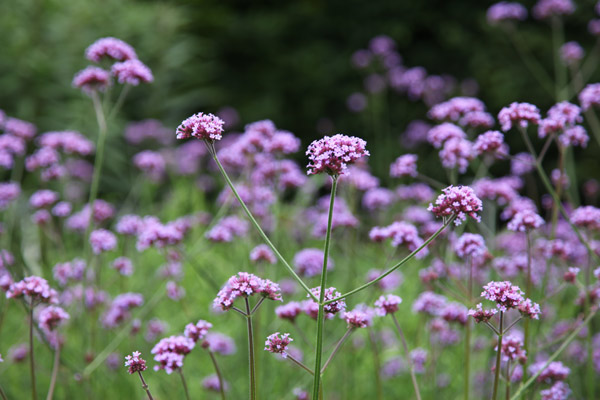
Verbena bonariensis
€8.50
Frequently Bought Together


Description
Quick Facts
Botanical Name: Verbena bonariensis
Common Name: Tall Verbena / Purple Top
Plant Type: Deciduous perennial (often treated as annual in colder areas)
Mature Height: 100–150cm
Mature Spread: 45–60cm
Flowering Period: Midsummer to autumn (July–October)
Flower Colour: Vivid violet-purple
Foliage Colour: Dark green, rough-textured, lance-shaped leaves
Hardiness: Hardy in Ireland & the UK (benefits from shelter in colder areas)
Soil Requirements: Well-drained, moderately fertile soil
Aspect: Full sun
Maintenance: Low
Description
Verbena bonariensis is one of those plants that does something no other plant quite manages — it adds colour, height, and movement without ever blocking the view. The stems are tall and wiry, almost transparent, holding small clusters of vivid violet-purple flowers high above everything around them from midsummer right through to the first frosts. It weaves beautifully through other plants, pollinators absolutely love it, and it self-seeds just enough to keep it going year after year without becoming a nuisance. Effortless, long-flowering, and genuinely hard to overuse.
Caragh Garden Notebook
Planting:
Plant in spring after the last frosts into well-drained soil in a sunny position. Space plants 45–60cm apart — they fill out over time and the airy habit means they never feel crowded. In colder or more exposed gardens, a sheltered spot will help them come through winter more reliably.
Watering:
Water regularly through the first season to establish. Once settled, Verbena bonariensis is notably drought-tolerant and thrives in free-draining conditions. Overwatering or poorly drained soil is more likely to cause problems than underwatering.
Feeding:
Little feeding required. A light mulch of compost in spring is plenty for plants in the ground. Avoid high-nitrogen feeds — they encourage leafy growth at the expense of flowers.
Seasonal Care & Tidy-Up:
Leave stems standing through winter — they provide some frost protection for the crown and look attractive with a frost on them. Cut back to ground level in early spring before new growth emerges. Allow some self-seeding to maintain a natural colony; unwanted seedlings are easy to remove when small.
Division (to keep plants vigorous):
Division is rarely necessary. Verbena bonariensis is best maintained through self-seeding, which it does reliably in most gardens. Transplant self-sown seedlings in spring while still small if you want to move them around.
Pests & Problems:
Generally trouble-free and largely ignored by pests. Powdery mildew can occasionally appear in dry conditions but is rarely serious. In cold, wet winters the crown can be vulnerable — good drainage and leaving the top growth in place through winter significantly reduce this risk.
Design Notes:
One of the most versatile plants in a summer border — use it to weave between roses, grasses, dahlias, and herbaceous perennials where the tall, transparent stems add height without weight. The vivid purple works brilliantly with burnt orange Heleniums, soft pink Echinacea, and the warm tones of ornamental grasses. Equally effective in a more minimal planting where the airy stems and flower clusters provide movement and colour against a simple backdrop. A magnet for bees and butterflies from July onwards.
Related products
-

Dryopteris erythrosora / Autumn fern
€9.50 Select options This product has multiple variants. The options may be chosen on the product page -

Carex comans Frosted Curls
€8.50 Select options This product has multiple variants. The options may be chosen on the product page -

Perovskia Blue Spire
€8.50 Select options This product has multiple variants. The options may be chosen on the product page -
Luzula nivea
€8.50 Select options This product has multiple variants. The options may be chosen on the product page