
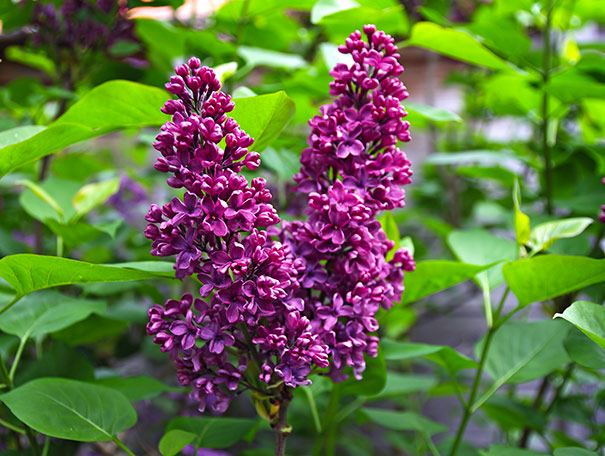
Syringa vulgaris ‘Ludwig Spaeth’
€75.00
Frequently Bought Together

Description
Quick Facts
- Botanical Name: Syringa vulgaris ‘Ludwig Spaeth’
- Common Name: Lilac
- Plant Type: Deciduous flowering shrub / small tree
- Habit: Upright, multi-stemmed; can be grown as a large shrub or lightly limbed-up
- Height (approx.): 3–5m
- Spread (approx.): 2–4m
- Flowering: Mid to late spring (typically May)
- Flower Colour: Deep reddish-purple / wine-purple flower panicles
- Fragrance: Strong, classic lilac perfume
- Position: Full sun (best flowering)
- Soil: Fertile, moisture-retentive but free-draining
- Hardiness: Very hardy
- Best For: Cottage gardens, spring scent, pollinator planting, feature shrubs, flowering hedges, cutting gardens
Description
There are few spring moments as instantly recognisable as lilac in flower — and ‘Ludwig Spaeth’ is one of the richest, most romantic of them all.
Its large panicles open in deep, wine-purple tones, filling the air with that unmistakable lilac perfume: sweet, nostalgic, and completely transporting. It’s a plant that makes you slow down — the kind you cut a few stems from and bring indoors, just to make the whole house feel like spring.
In the garden, it grows into a generous, upright shrub with a relaxed, old-fashioned presence — perfect as a feature, woven into a mixed border, or planted as part of a flowering screen.
Caragh Garden Notebook
Planting & position
Full sun is the secret to abundant flowering. Choose an open, bright spot with good airflow. Lilacs will tolerate light shade, but flowering is always best with more sun.
Full sun is the secret to abundant flowering. Choose an open, bright spot with good airflow. Lilacs will tolerate light shade, but flowering is always best with more sun.
Soil
Lilacs prefer fertile soil that holds some moisture but drains well. They’re fairly adaptable, but avoid very wet ground in winter. A spring mulch of compost helps keep growth strong and flowering generous.
Lilacs prefer fertile soil that holds some moisture but drains well. They’re fairly adaptable, but avoid very wet ground in winter. A spring mulch of compost helps keep growth strong and flowering generous.
Watering
- Water regularly in the first season after planting.
- Once established, lilacs are fairly resilient, but they’ll appreciate watering during prolonged dry spells, especially in spring as buds form.
Feeding
A balanced feed in early spring can support flowering, but avoid very high-nitrogen feeds (too much leafy growth, fewer flowers).
A balanced feed in early spring can support flowering, but avoid very high-nitrogen feeds (too much leafy growth, fewer flowers).
Pruning (when and how)
Prune straight after flowering — this is key, because lilacs set next year’s buds in summer.
Prune straight after flowering — this is key, because lilacs set next year’s buds in summer.
- Remove spent flower heads if you like a tidy look.
- Thin out a few older stems at the base over time to keep the plant vigorous.
- Avoid hard pruning in winter, which can reduce flowering.
Suckers (normal for lilac)
Some lilacs produce shoots from the base. Remove these if you want to keep a clean, shrub-like shape, or allow a few if you prefer a more natural, thicket-style form.
Some lilacs produce shoots from the base. Remove these if you want to keep a clean, shrub-like shape, or allow a few if you prefer a more natural, thicket-style form.
Design notes
- Beautiful with roses, peonies, alliums, nepeta, and spring bulbs
- Perfect near a path, gate, or seating area where you’ll actually enjoy the scent
- Excellent for cutting — a few stems indoors makes the whole room feel different
Related products
-
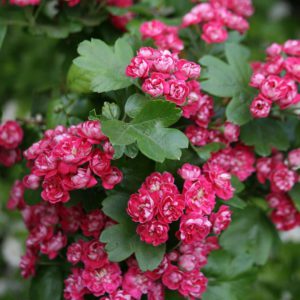
Crataegus Pauls Scarlet / Red Hawthorn
Price range: €45.00 through €240.00 Select options This product has multiple variants. The options may be chosen on the product page -

Quercus rubra / Red Oak
€225.00 Select options This product has multiple variants. The options may be chosen on the product page -

Hebe Wiri Image
€20.00 Select options This product has multiple variants. The options may be chosen on the product page -
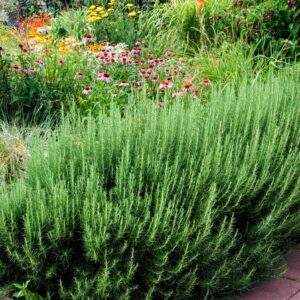
Rosmarinus officianalis / Rosemary
Price range: €8.50 through €150.00 Select options This product has multiple variants. The options may be chosen on the product page