

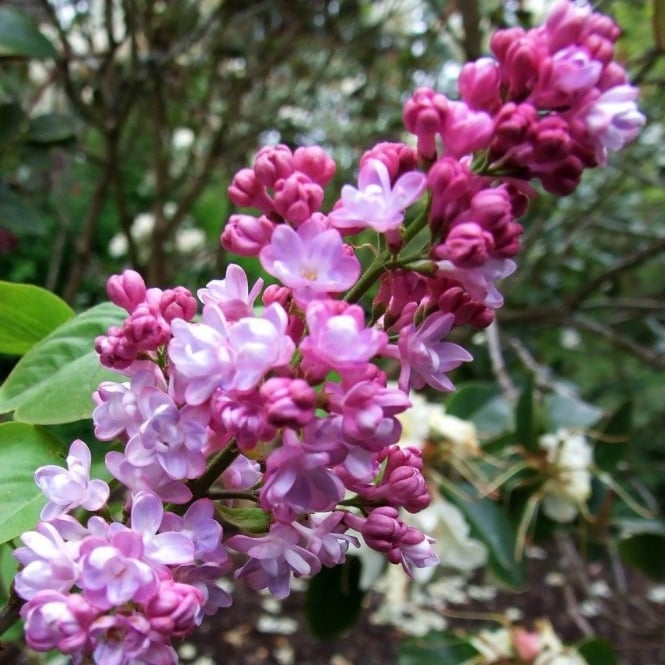
Syringa vulgaris Belle de Nancy
€25.00
Frequently Bought Together



Description
Quick Facts
– Botanical Name: Syringa vulgaris ‘Belle de Nancy’
– Common Name: French Lilac / Belle de Nancy
– Plant Type: Deciduous shrub
– Mature Height: 3–4m (10–13ft)
– Mature Spread: 2–3m (6–10ft)
– Flowering Period: Late spring (May)
– Flower Colour: Pink-mauve buds opening to lilac-pink, fading to a soft blueish hue
– Foliage Colour: Mid-green
– Hardiness: Fully hardy
– Soil Requirements: Moist, well-drained; tolerates chalk and clay
– Aspect: Full sun to partial shade
– Maintenance: Low — prune immediately after flowering
Description
‘Belle de Nancy’ is a classic French Lilac beloved for its richly fragrant, double flowers that arrive each spring in upright panicles. The blooms emerge as pretty pink-mauve buds before opening to a soft lilac-pink, gradually fading to a delicate bluish hue as summer approaches. Highly attractive to pollinators, particularly butterflies and bees, it makes a wonderful addition to a cottage garden, mixed border, or as a standalone specimen. The cut flowers are beautifully scented and perfect for bringing indoors.
Caragh Garden Notebook
Planting:
Plant in a sunny, open position in well-drained, fertile soil. Lilacs do particularly well on alkaline or neutral soils and are tolerant of chalk. Avoid overly wet or waterlogged ground.
Watering:
Water well during the first growing season to establish a strong root system. Once established, ‘Belle de Nancy’ is reasonably drought tolerant and requires little additional watering except during prolonged dry spells.
Feeding:
Apply a balanced general-purpose fertiliser in early spring. Avoid high-nitrogen feeds, which encourage leafy growth at the expense of flowers.
Seasonal Care & Tidy-Up:
Prune immediately after flowering to encourage the best display the following year — lilacs set next year’s flower buds shortly after blooming, so late pruning will reduce the flower display. Remove any dead or crossing branches to keep the shrub open and well-shaped.
Division (to keep plants vigorous):
Not applicable. If suckers appear at the base, remove them promptly to prevent them diverting energy from the main plant.
Pests & Problems:
Generally trouble-free. Lilac leaf miner and powdery mildew can occasionally occur, especially in dry summers. Good air circulation and prompt removal of affected foliage helps keep plants healthy.
Design Notes:
A stunning choice for cottage gardens, informal borders, or planted as a fragrant screen or boundary shrub. Pairs beautifully with alliums, hardy geraniums, and other late-spring perennials. The cut stems bring exceptional fragrance indoors and make wonderful seasonal arrangements.
Propagation:
Take softwood cuttings in early summer or layer low-growing stems in autumn.
Additional information
| Pot Size | 160L 250-300cm Tall, 5L 40-60cm, 5L 50-80cm, 7.5L 100-120cm, 7.5L 80-100cm, 7.5L 60-100cm |
|---|
Related products
-

Quercus rubra / Red Oak
€225.00 Select options This product has multiple variants. The options may be chosen on the product page -

Acer palm. Sango Kaku
Price range: €600.00 through €660.00 Select options This product has multiple variants. The options may be chosen on the product page -
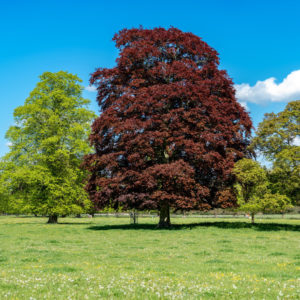
Fagus syl. Atropurpurea / Purple Beech Tree
Price range: €225.00 through €325.00 Select options This product has multiple variants. The options may be chosen on the product page -

Sorbus aria Lutescens / Whitebeam
€520.00 Select options This product has multiple variants. The options may be chosen on the product page