

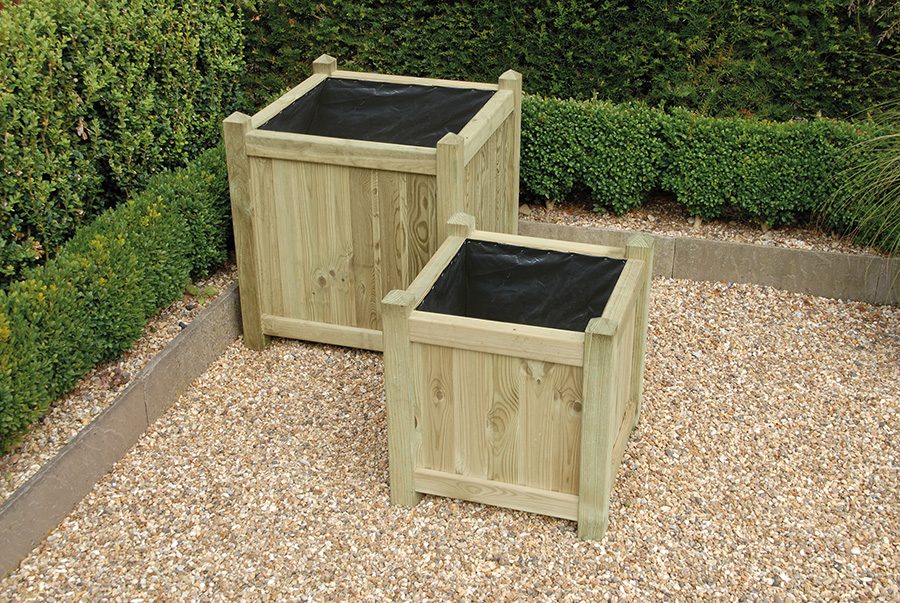
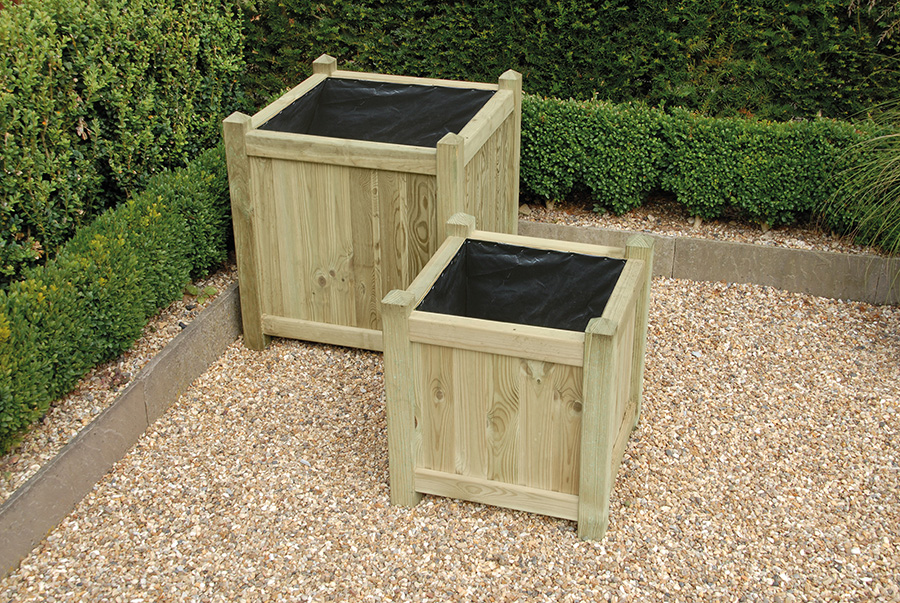
Square Timber Planter
Price range: €95.00 through €135.00
Frequently Bought Together

Description
Quick Facts
Product Name: Square Planters
Material: Pressure-treated timber
Product Type: Freestanding garden planters
Available Sizes: 50cm × 50cm, 65cm × 65cm
Construction: Planed timber boards with corner posts
Finish: Natural pressure-treated timber (can be painted or stained)
Durability: Pressure-treated for long-lasting outdoor use
Assembly: May require simple assembly (check on collection/delivery)
Material: Pressure-treated timber
Product Type: Freestanding garden planters
Available Sizes: 50cm × 50cm, 65cm × 65cm
Construction: Planed timber boards with corner posts
Finish: Natural pressure-treated timber (can be painted or stained)
Durability: Pressure-treated for long-lasting outdoor use
Assembly: May require simple assembly (check on collection/delivery)
Available Sizes
50cm × 50cm Square Planter
Dimensions: 50cm wide × 50cm deep × 50cm high (approximate)
Use: Compact planting for patios, balconies, doorways, small gardens; suitable for shrubs, small trees, perennials, seasonal displays
Use: Compact planting for patios, balconies, doorways, small gardens; suitable for shrubs, small trees, perennials, seasonal displays
65cm × 65cm Square Planter
Dimensions: 65cm wide × 65cm deep × 65cm high (approximate)
Use: Larger specimen planting for patios, terraces, driveways; suitable for small trees, large shrubs, architectural plants, substantial seasonal displays
Use: Larger specimen planting for patios, terraces, driveways; suitable for small trees, large shrubs, architectural plants, substantial seasonal displays
Description
Square Planters are the kind of garden essential that does more than just hold plants—they add structure, define spaces, and bring planting up to eye level where it makes the most impact. The clean, geometric lines work beautifully in both traditional and contemporary gardens, and the substantial timber construction means these are planters built to last, not lightweight containers that fall apart after a season or two.
The planed timber boards give a smooth, refined finish that looks smart from day one. The pressure-treated construction is built for outdoor life—these planters can sit on patios, terraces, or directly on soil year-round without rotting or deteriorating. Left natural, the timber weathers to a soft silver-grey that blends quietly into the garden. Painted or stained, they become part of your design scheme—crisp white for a classic look, dark charcoal for contemporary spaces, or soft colours to complement planting.
At 50cm, the smaller planter is perfect for compact spaces—doorways, balconies, small patios, or anywhere you want impact without taking up too much ground space. It’s big enough for a decent-sized shrub, a small tree, or a generous seasonal display, but still manageable to move if needed.
The 65cm planter is more substantial—ideal for specimen plants, architectural shrubs, or small trees that need root room and presence. It’s the kind of planter that anchors a space, frames an entrance, or creates a focal point on a terrace or driveway.
Both sizes bring that combination of function and finish that makes a garden feel considered and well-made. They’re planters that work hard, look good, and last.
Caragh Garden Notebook
Installation & Preparation
Positioning:
- Choose a level, stable surface—paving, decking, gravel, or compacted soil
- Ensure the location suits the plants you’re planning to grow (sun/shade requirements)
- Consider access for watering and maintenance
- For heavy plantings (trees, large shrubs), position planters before filling—they’ll be too heavy to move once planted
Drainage:
- Check that drainage holes are present in the base (if not, drill 3–5 holes, 15–20mm diameter, evenly spaced)
- Raise planters slightly off the ground using pot feet, bricks, or timber offcuts to allow water to drain freely and air to circulate underneath
- Poor drainage leads to waterlogged soil and root rot—ensure water can escape easily
Lining (Optional but Recommended):
- Line the inside of the planter with heavy-duty plastic sheeting or pond liner to protect the timber from constant moisture
- Cut the liner to size, leaving excess at the top to fold over the rim
- Pierce drainage holes in the liner to match the holes in the planter base
- Lining extends the life of the planter significantly, especially if you’re using moisture-retentive compost
Filling:
- Add a 5–10cm layer of drainage material (gravel, broken terracotta, or crocks) to the base
- Fill with good-quality multi-purpose or peat-free compost, or a mix of compost and topsoil for larger plantings
- For trees and shrubs, use a loam-based compost (e.g., John Innes No. 3) for stability and long-term nutrition
- Leave a 3–5cm gap between the compost surface and the top of the planter for watering
Planting Ideas
50cm × 50cm Planter:
- Small trees: Japanese maples (Acer palmatum), bay trees (Laurus nobilis), olive trees (Olea europaea), dwarf fruit trees
- Shrubs: Box balls (Buxus), lavender, rosemary, hydrangeas, small roses
- Architectural plants: Phormiums, cordylines, grasses (Miscanthus, Stipa)
- Seasonal displays: Spring bulbs, summer bedding, autumn grasses and sedums, winter evergreens and berries
- Edibles: Herbs (rosemary, thyme, sage), compact tomatoes, chillies, salad leaves
65cm × 65cm Planter:
- Specimen trees: Larger Japanese maples, bay trees, olives, citrus trees (lemon, orange—bring indoors in winter), small ornamental cherries
- Large shrubs: Camellias, rhododendrons, pieris, large hydrangeas, roses
- Architectural plants: Tree ferns (Dicksonia), bamboos (clumping varieties), large phormiums, yuccas, agaves
- Grasses: Large miscanthus, pampas grass (compact varieties), Stipa gigantea
- Seasonal displays: Substantial spring bulb plantings, mixed summer displays, autumn grasses with perennials, winter evergreen arrangements
Planting Combinations:
- Thriller, filler, spiller: Central specimen (small tree or architectural plant), mid-level planting (perennials or grasses), trailing plants around the edge (ivy, trailing lobelia, nasturtiums)
- Year-round interest: Evergreen shrub or small tree underplanted with seasonal bulbs and bedding
- Edible planter: Dwarf fruit tree underplanted with herbs and trailing tomatoes or strawberries
Maintenance
Initial Treatment:
- Planters arrive pressure-treated and ready to use
- For enhanced protection, allow timber to weather for 6–12 months before painting or staining
- If lining, install the liner before treating the exterior
- Clean with a stiff brush; apply exterior-grade timber preservative, decking oil, or wood stain
- Pay particular attention to the inside of the planter if not lining
Watering:
- Container plants dry out faster than plants in the ground—check moisture levels regularly, especially in summer
- Water thoroughly until water runs out of the drainage holes
- In hot weather, planters may need daily watering
- Reduce watering in winter, but don’t let compost dry out completely
Feeding:
- Container plants need regular feeding as nutrients leach out with watering
- Apply a slow-release fertiliser in spring
- Supplement with liquid feed every 2–4 weeks during the growing season (spring to early autumn)
- Use appropriate feed for your plants (e.g., ericaceous feed for camellias and rhododendrons, tomato feed for flowering plants)
Annual Maintenance:
- Spring: Top-dress planters by removing the top 5cm of compost and replacing with fresh compost mixed with slow-release fertiliser
- Treatment: Apply a fresh coat of preservative, oil, or stain to the exterior annually
- Cleaning: Remove debris, moss, or algae from timber surfaces
- Drainage check: Ensure drainage holes remain clear and water drains freely
Repotting:
- Trees and shrubs may need repotting every 2–3 years as they outgrow the planter
- Root-prune if keeping the plant in the same planter: remove the plant, trim back outer roots by one-third, and replant in fresh compost
- Alternatively, move to a larger planter
Winter Care:
- Raise planters on pot feet to prevent waterlogging in winter
- Move tender plants (citrus, olives in cold areas) to a sheltered spot or indoors
- Wrap planters with bubble wrap or hessian in very cold weather to protect roots from freezing
- Reduce watering but don’t let compost dry out completely
Longevity:
With proper installation (drainage, lining) and annual treatment, expect 10–15 years of service. Lining the interior significantly extends planter life.
Related products
-
Naxos Contemporary Stone Grey Pots
Price range: €380.00 through €535.00 Select options This product has multiple variants. The options may be chosen on the product page -

Terracotta Pot – Vaso Liscio
Price range: €220.00 through €500.00 Select options This product has multiple variants. The options may be chosen on the product page -
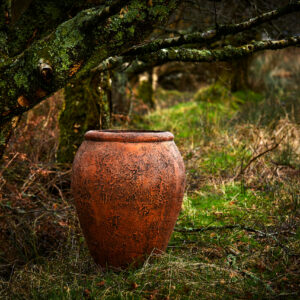
Apollo Pot
€310.00 Select options This product has multiple variants. The options may be chosen on the product page -
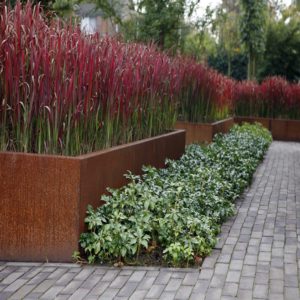
Corten Steel Andes Trough
Price range: €405.00 through €985.00 Select options This product has multiple variants. The options may be chosen on the product page