


Salvia nemerosa Midnight Purple
Price range: €9.50 through €10.50
Frequently Bought Together



Description
Quick Facts
Botanical Name: Salvia nemorosa ‘Midnight Purple’
Common Name: Ornamental Sage / Balkan Sage
Plant Type: Herbaceous perennial
Mature Height: 40–50cm
Mature Spread: 30–40cm
Flowering Period: Early to midsummer (May–July), with a second flush if cut back
Flower Colour: Deep violet-purple spikes
Foliage Colour: Grey-green, aromatic, softly textured leaves
Hardiness: Very hardy in Ireland & the UK
Soil Requirements: Well-drained, moderately fertile soil
Aspect: Full sun
Maintenance: Low
Description
Salvia nemorosa ‘Midnight Purple’ is a compact, free-flowering perennial that punches well above its size. The deep violet-purple flower spikes appear from late spring and carry through midsummer, and if you cut it back after the first flush it will often give a second round of flowers later in the season. The grey-green foliage is softly aromatic, the bees love it, and it holds its shape neatly without sprawling. Unfussy, reliable, and one of the hardest-working plants in a sunny border.
Caragh Garden Notebook
Planting:
Plant in spring or autumn into well-drained soil in a sunny position. Salvia nemorosa thrives in lean, free-draining conditions — rich or heavy soils tend to produce soft, floppy growth. Space plants 30–40cm apart and water in well to establish.
Watering:
Water regularly through the first growing season. Once established it is impressively drought-tolerant and prefers drier conditions over wet ones. In containers, water consistently through summer but ensure drainage is excellent.
Feeding:
Little feeding required. A light top-dressing of compost in spring is sufficient. Avoid high-nitrogen feeds which encourage leafy growth at the expense of flowers.
Seasonal Care & Tidy-Up:
Cut back spent flower stems to just above the basal foliage after the first flush — this encourages a second wave of flowers and keeps the plant looking tidy. In autumn, leave the foliage in place for winter protection and cut back to the base in early spring before new growth emerges.
Division (to keep plants vigorous):
Divide every 3–4 years in spring to keep plants compact and free-flowering. Lift, separate into healthy sections, and replant into refreshed soil. Division also provides good new stock for spreading through the border.
Pests & Problems:
Generally very trouble-free. Powdery mildew can occasionally appear in dry conditions — good airflow and avoiding overhead watering helps prevent it. Slugs may target young growth in spring but are rarely a serious problem on established plants.
Design Notes:
A natural fit in sun-baked borders alongside lavenders, ornamental grasses, alliums, and roses — the deep violet-purple works particularly well with soft pinks, silvers, and warm oranges. Pairs beautifully with Pennisetum ‘Burgundy Bunny’, Kniphofia ‘Flamenco’, and Verbena bonariensis for a long-season, pollinator-friendly planting. Compact enough for the front or middle of a border and effective either planted in drifts or used as a low, repeating ribbon of colour through a sunny scheme.
Related products
-
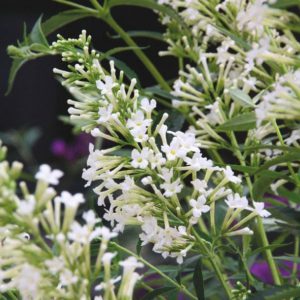
Buddleja Snow White
€25.00 Select options This product has multiple variants. The options may be chosen on the product page -

Miscanthus sinensis
€9.50 Select options This product has multiple variants. The options may be chosen on the product page -
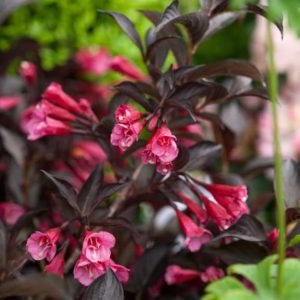
Weigela florida Alexandra
€20.00 Select options This product has multiple variants. The options may be chosen on the product page -

Nandina Blush Pink
€15.00 Select options This product has multiple variants. The options may be chosen on the product page