

Polystichum munitum – Western Sword Fern
€9.50
Frequently Bought Together


Description
Quick Facts
– Botanical Name: Polystichum munitum
– Common Name: Western Sword Fern
– Plant Type: Evergreen fern
– Mature Height: 60–120cm
– Mature Spread: 60–120cm
– Frond Colour: Deep, glossy dark green; bold, lance-shaped pinnate fronds
– Habit: Upright to arching shuttlecock — more architectural and substantial than many ferns
– Aspect: Full shade to part shade; excellent in deep shade
– Soil: Moist to dry, well-drained; notably tolerant of dry shade once established
– Hardiness: Very hardy in Ireland & the UK
– Awards: RHS Award of Garden Merit (AGM)
– Maintenance: Very low
Description
Polystichum munitum is one of the most architecturally bold and dependable evergreen ferns available — a plant with genuine substance and presence that holds its ground in conditions where many others falter. Native to the woodland floors of western North America, it forms a large, upright to arching shuttlecock of deep, glossy dark green fronds, each one simply pinnate with distinctive sword-shaped leaflets that give the plant both its common name and its unmistakable silhouette.
Where its close relative Polystichum polyblepharum charms with golden-scaled croziers and delicate lacy texture, munitum impresses through scale, structure, and sheer reliability. It is a bigger, bolder plant — one that makes a genuine statement in a shaded border rather than simply filling a gap — and it is among the most tolerant of ferns for deep and dry shade, making it invaluable in the difficult conditions beneath mature trees where few plants perform with any conviction.
Evergreen, long-lived, and entirely unfussy once established — this is the fern for the gardener who wants architectural presence in the darkest corner of the garden without any compromise.
Caragh Garden Notebook
Planting:
Plant in spring or autumn into well-drained soil enriched with leafmould or composted bark to replicate the woodland floor conditions the plant naturally favours. Polystichum munitum is one of the most tolerant ferns for dry shade — including the demanding root-filled soil beneath established trees — but benefits from a generous amount of organic matter at planting to help establish a strong root system before dry conditions set in. Set the crown at soil level, water in thoroughly, and mulch well around the base to retain moisture through the first season.
Watering:
Water consistently through the first growing season, particularly during dry spells, to support establishment. Once properly settled, this fern is impressively drought-tolerant for an evergreen — one of its most valuable qualities in a garden context. In deep dry shade beneath trees, an occasional thorough watering during extended summer drought will keep the fronds looking their best and prevent browning at the tips. In containers, maintain good moisture without allowing the compost to become waterlogged.
Feeding:
An annual mulch of leafmould or well-rotted compost applied around the crown in spring is the most natural and effective way to feed this plant — it improves soil structure, retains moisture, and feeds gently over the growing season in the way a woodland floor naturally replenishes itself. In very poor or compacted soils, a light slow-release fertiliser in spring will support strong, healthy frond production. Container-grown plants benefit from a balanced liquid feed monthly through the growing season.
Seasonal Care & Tidy-Up:
In late winter or very early spring, before new fronds begin to emerge, remove any damaged, tired, or brown fronds from the base of the plant to tidy the clump and make way for the new season’s growth. This is the only maintenance the plant generally requires. Avoid cutting back into healthy fronds — even older fronds that have lost some of their freshness still contribute to the overall shuttlecock form and protect the crown through winter. A light, considered tidy always serves this plant better than a hard cut.
Division:
Polystichum munitum is long-lived and thrives best when left undisturbed. Division is not necessary for the plant’s health but can be carried out in spring if you wish to propagate or spread it through the garden. Divide carefully with a sharp spade, ensuring each section has a healthy crown and root system. Replant immediately and water in well — it establishes steadily rather than quickly after division, so do not expect full vigour in the first season.
Pests & Problems:
One of the most reliably trouble-free ferns available. Slugs and snails can occasionally target emerging new fronds in spring — worth monitoring during this period, as the new growth is the most vulnerable stage. In poorly drained or waterlogged soils, crown rot can occur; good drainage at planting is the most reliable preventative. Scale insects can occasionally appear on fronds in sheltered positions — wipe off with a damp cloth or treat with a horticultural soap if found.
Design Notes:
The bold, upright shuttlecock and deep glossy fronds make Polystichum munitum one of the most architectural plants available for the shaded garden — and one that looks as good in January as it does in July. Use it as a structural anchor beneath deciduous trees and shrubs, where the evergreen fronds provide a dark, glossy groundwork through the winter months when the canopy is bare. It combines beautifully with other shade-tolerant companions — epimediums, hellebores, pulmonarias, and woodland geraniums all work well around its base — and its bold form provides an effective contrast to finer-textured plants like Polystichum polyblepharum, grasses, or the delicate fronds of deciduous ferns. In a larger shaded border, repeated in groups of three it creates a calm, rhythmic structure that holds the planting together through every season. One of the most underused structural plants for difficult shaded positions — and one of the most rewarding once properly established.
Additional information
| Pot Size |
|---|
Related products
-

Hosta August Moon
€9.50 Select options This product has multiple variants. The options may be chosen on the product page -

Hosta ‘Wide Brim’
€9.50 Select options This product has multiple variants. The options may be chosen on the product page -
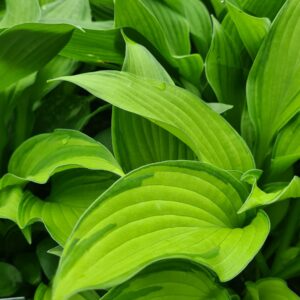
Hosta fortunei ‘Albopicta’ — Plantain Lily
€9.50 Select options This product has multiple variants. The options may be chosen on the product page -

Hakonechloa macra / Japanese Green Forest Grass
€12.50 Select options This product has multiple variants. The options may be chosen on the product page