
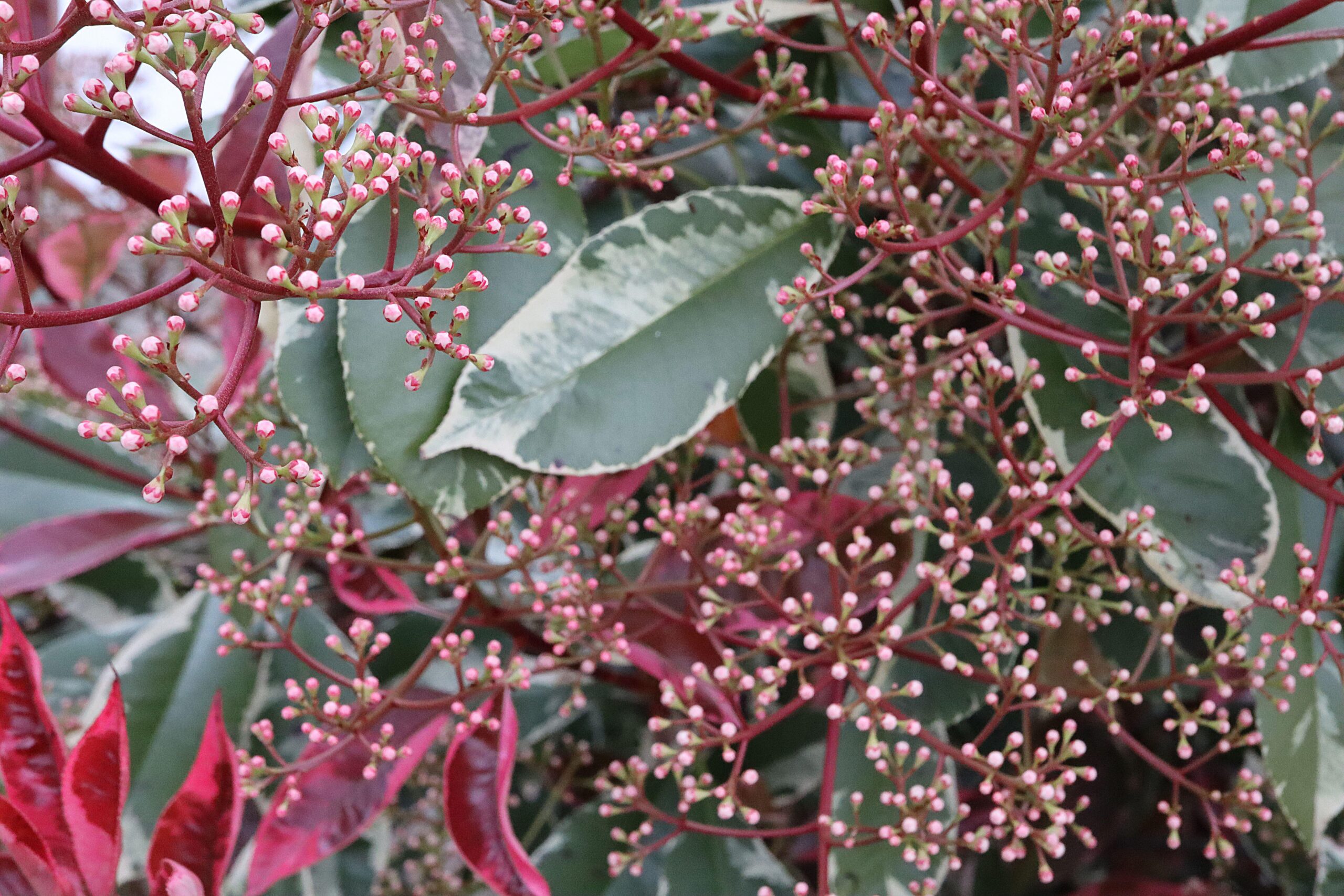
Photinia serr. Louise
€50.00
Frequently Bought Together



Description
Quick Facts
- Common Name: Louise Photinia
- Botanical Name: Photinia × fraseri ‘Louise’
- Plant Type: Evergreen shrub
- Mature Height: 1.5–2.5m
- Mature Spread: 1–1.5m
- Foliage: Narrow, lance-shaped leaves with striking cream, pink, and green variegation; young shoots flushed pink-red
- Flowering Period: May to June (occasionally, in mild seasons)
- Flower Colour: Clusters of small white flowers
- Hardiness: RHS H5 (hardy in most UK & Irish gardens)
- Soil Requirements: Moist, well-drained, moderately fertile; tolerates clay and chalk
- Aspect: Full sun to partial shade (best colour in sun)
- Maintenance: Low to moderate (pruning to shape if desired)
Description
Photinia × fraseri ‘Louise’ is a beautifully variegated, evergreen shrub that brings a fresh, contemporary twist to the garden. The narrow, lance-shaped leaves are boldly edged in cream and splashed with green, while new growth emerges in shades of pink and red—creating a dazzling, multi-tonal effect that lasts all year. As the foliage matures, the colours soften but remain vibrant, ensuring ‘Louise’ stands out even in the depths of winter.
In late spring to early summer, mature plants may produce clusters of small white flowers, adding another layer of interest. Compact and naturally bushy, ‘Louise’ is perfect for brightening mixed borders, creating low hedges, or adding structure to contemporary planting schemes. It’s also an excellent choice for large containers, where its colourful foliage can be enjoyed up close.
Hardy and adaptable, ‘Louise’ thrives in sun or partial shade and tolerates a wide range of soils, including clay and chalk. Its upright habit and low maintenance needs make it a great fit for busy gardens and modern designs.
Caragh Garden Notebook
Planting:
Space plants 1–1.2m apart for hedging, or use singly as a specimen. Plant container-grown specimens in spring (March–May) or early autumn (September–October). Choose a sunny, sheltered position for the brightest leaf colour, but it will tolerate some shade. Dig a generous hole, loosen the soil well, and incorporate compost or well-rotted manure to support establishment. Plant at the same depth as in the pot, firm in gently, water thoroughly, and mulch.
Space plants 1–1.2m apart for hedging, or use singly as a specimen. Plant container-grown specimens in spring (March–May) or early autumn (September–October). Choose a sunny, sheltered position for the brightest leaf colour, but it will tolerate some shade. Dig a generous hole, loosen the soil well, and incorporate compost or well-rotted manure to support establishment. Plant at the same depth as in the pot, firm in gently, water thoroughly, and mulch.
Soil Preparation:
Prefers moist, well-drained soil but is adaptable to a range of soil types, including clay and chalk. Improve heavy soils with compost and grit to aid drainage. Mulch annually to conserve moisture and feed the soil.
Prefers moist, well-drained soil but is adaptable to a range of soil types, including clay and chalk. Improve heavy soils with compost and grit to aid drainage. Mulch annually to conserve moisture and feed the soil.
Seasonal Care:
Low to moderate maintenance. Prune lightly after flowering or in mid-summer to maintain shape and encourage fresh, colourful growth. Remove any reverted (solid green) shoots to preserve the variegation. Water during prolonged dry spells, especially in the first year or in containers.
Low to moderate maintenance. Prune lightly after flowering or in mid-summer to maintain shape and encourage fresh, colourful growth. Remove any reverted (solid green) shoots to preserve the variegation. Water during prolonged dry spells, especially in the first year or in containers.
Container Growing:
Excellent in large pots. Use a free-draining compost and ensure containers have plenty of drainage holes. Water regularly in summer, but avoid waterlogging in winter.
Excellent in large pots. Use a free-draining compost and ensure containers have plenty of drainage holes. Water regularly in summer, but avoid waterlogging in winter.
Pests & Problems:
Generally trouble-free. Occasionally watch for leaf spot or aphids, particularly on young shoots. Good airflow and regular checks help prevent problems.
Generally trouble-free. Occasionally watch for leaf spot or aphids, particularly on young shoots. Good airflow and regular checks help prevent problems.
Design Notes:
Superb as a specimen shrub, in mixed borders, or as a low hedge. Pairs beautifully with other evergreen and variegated plants, and adds a bright accent to contemporary garden schemes.
Superb as a specimen shrub, in mixed borders, or as a low hedge. Pairs beautifully with other evergreen and variegated plants, and adds a bright accent to contemporary garden schemes.
Propagation:
Propagate by semi-ripe cuttings in late summer.
Propagate by semi-ripe cuttings in late summer.
Related products
-
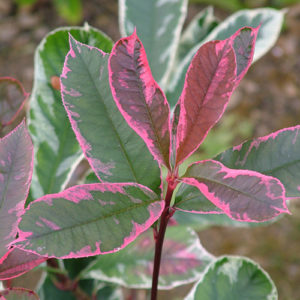
Photinia Pink Marble Parachute
Price range: €300.00 through €350.00 Select options This product has multiple variants. The options may be chosen on the product page -
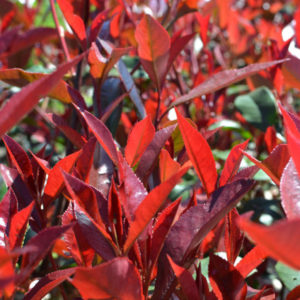
Photinia × fraseri Carré Rouge 1/2 Standard
€195.00 Select options This product has multiple variants. The options may be chosen on the product page -

Photinia × fraseri Compacta Parachute
Price range: €250.00 through €380.00 Select options This product has multiple variants. The options may be chosen on the product page -
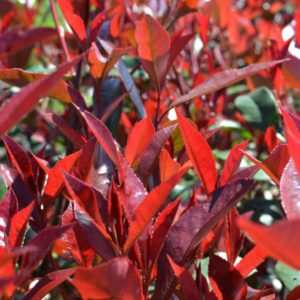
Photinia serr. ‘Red Robin’ 1/4 Standard
Price range: €55.00 through €85.00 Select options This product has multiple variants. The options may be chosen on the product page